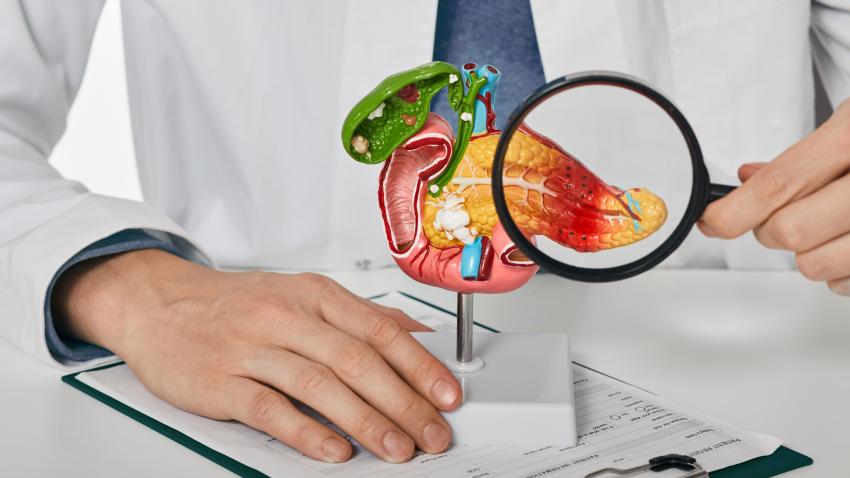
Persistent upper abdominal pain, digestive discomfort, or unexplained weight loss can be easy to overlook at first. Many individuals may assume it is linked to common digestive issues when symptoms feel mild or come and go. However, if these signs recur, you might need medical supervision. If these symptoms continue, it may indicate pancreatic stones, which can gradually affect digestion and pancreatic function.
When pancreatic stones begin to interfere with normal digestive flow or symptoms persist, timely medical evaluation becomes important. Appropriate treatment for pancreatic stones can help address the condition at an early stage. Understanding these changes early may help guide the right next steps in care and management.
What Are Pancreatic Stones?
The pancreas helps digest food and regulate blood sugar levels by releasing digestive enzymes and hormones. Pancreatic stones form when calcium deposits accumulate within the pancreatic ducts, usually due to long-term inflammation that impairs the normal flow of pancreatic fluids. Chronic pancreatitis is one of the most common causes of pancreatic stones. Smoking, alcohol consumption, genetic conditions, and repeated infections may also contribute to stone formation. Larger stones can increase pressure inside the pancreas and gradually worsen inflammation and discomfort.
What Makes Abdominal Pain Persistent in Pancreatic Stones?
Persistent abdominal pain is one of the most common complications linked with untreated pancreatic stones. It often begins in the upper abdomen and may gradually affect daily comfort and routine activities.
Radiating Pain: Pain may start in the upper abdomen and spread towards the back.
Post-Meal Worsening: Discomfort often increases after meals or physical activity.
Duct Blockage: Blocked pancreatic ducts restrict normal digestive fluid flow.
Internal Pressure: Increased pressure inside the pancreas can irritate surrounding tissues.
Ongoing Inflammation: Repeated inflammation may make pain episodes more frequent over time.
These factors together help explain why abdominal pain can become persistent when pancreatic stones are not managed in time.
How Pancreatic Stones Affect Digestion and Nutrition
The pancreas releases digestive enzymes that help break down fats, proteins, and carbohydrates. When pancreatic stones obstruct the ducts, these enzymes may not reach the intestines effectively. As digestion becomes impaired, digestive symptoms and nutritional problems may gradually develop.
Bloating: Incomplete digestion may lead to heaviness and discomfort after meals.
Oily Stools: Poor fat breakdown can change stool texture and appearance.
Reduced Appetite: Ongoing digestive discomfort may affect normal eating patterns.
Weight Loss: Poor nutrient absorption may gradually lead to weight loss.
If these digestive problems persist for an extended period, nutritional deficiencies may become more noticeable. Weakness and fatigue can also develop as the body struggles to absorb important nutrients and maintain normal energy levels.
Infection Risks Linked to Blocked Pancreatic Ducts
Untreated pancreatic stones may increase the risk of pancreatic infections. Blocked ducts and damaged pancreatic tissue can create conditions that allow bacteria and inflammatory fluids to accumulate. Some individuals may experience the following symptoms if infections or pancreatic abscesses develop:
Fever: Infection within the pancreas may lead to an increase in body temperature.
Severe Abdominal Pain: Inflammation can significantly worsen abdominal discomfort.
Vomiting: Digestive disturbances may trigger repeated vomiting episodes.
Weakness: Ongoing infection may reduce overall energy levels and strength.
If infections become severe, nearby organs may also be affected. Timely diagnosis and appropriate treatment of pancreatic stones may help reduce the risk of severe infections and support better recovery outcomes.
How Pancreatic Stones Affect Nearby Organs
Large pancreatic stones and long-term inflammation may sometimes affect nearby organs and ducts. Swelling around the pancreas can place pressure on surrounding structures, including the bile duct and parts of the intestine. Some individuals may experience the following symptoms when nearby organs become affected:
Skin Yellowing: Yellowing of the skin and eyes due to bile duct blockage.
Ongoing Nausea: A digestive blockage may cause persistent nausea.
Repeated Vomiting: Difficulty in food movement can trigger vomiting episodes.
Abdominal Discomfort: Pressure on nearby organs may worsen symptoms.
These complications often require detailed medical evaluation and appropriate treatment planning.
Conclusion
Untreated pancreatic stones may not always cause severe symptoms initially, which is why they are sometimes ignored. Over time, however, they can slowly impact multiple body functions, often starting with digestive discomfort and progressing to more complex health concerns. These changes can gradually influence daily comfort and overall well-being.
Recognising persistent symptoms early and seeking timely medical evaluation can make a meaningful difference in managing the condition. With appropriate care and treatment of pancreatic stones, it becomes possible to address the issue at the right stage and support better long-term pancreatic health.