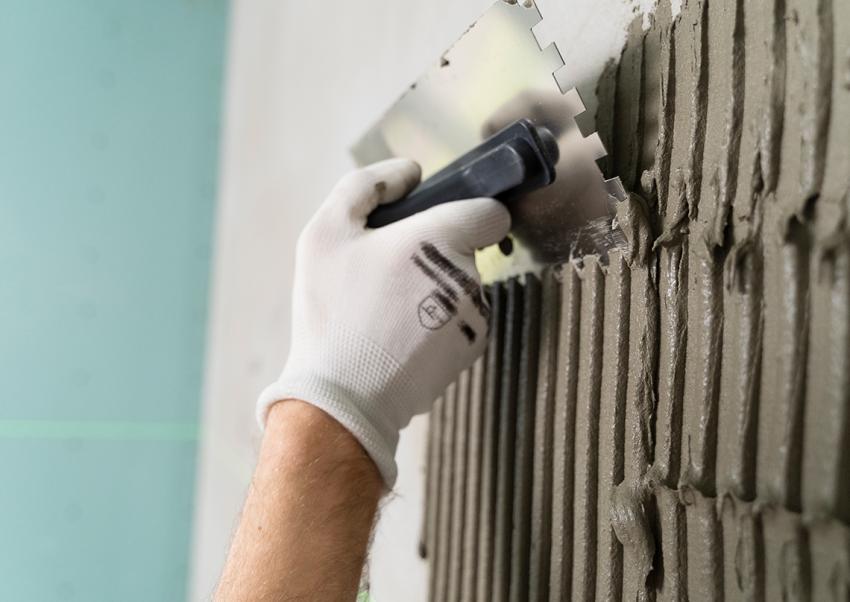
Walls are one of the most visible and important elements of any building. Whether in residential homes, commercial spaces, or industrial structures, smooth and durable walls contribute significantly to both appearance and structural integrity. However, wall cracks are one of the most common problems faced in construction projects. Even small cracks can affect aesthetics, reduce durability, and lead to long-term maintenance issues.
While cracks may develop for many reasons, one critical factor often overlooked is the quality and type of plaster sand used during construction. Plaster sand plays a major role in determining the strength, finish, bonding, and durability of wall plaster. Choosing the right plaster sand can significantly reduce the chances of cracks and improve the overall lifespan of walls.
In this article, we will explore the role of plaster sand in creating crack-free walls, understand the causes of wall cracks, and discuss how proper sand selection and plastering techniques contribute to strong and long-lasting surfaces.
What Is Plaster Sand?
Plaster sand is a fine aggregate used in cement plastering applications for walls and ceilings. It is mixed with cement and water to create plaster mortar, which is then applied to surfaces for leveling, finishing, and protection.
Unlike coarse construction sand used in concrete work, plaster sand has finer particles that help produce a smoother and more even finish.
Common Sources of Plaster Sand
Plaster sand may come from:
- Natural river sand
- Crushed stone sand
- Manufactured sand (M-sand)
- Washed fine aggregates
The quality, cleanliness, particle size, and grading of the sand directly affect the performance of the plaster.
Understanding Wall Cracks
Wall cracks are visible separations or fractures that appear on plastered surfaces. These cracks can vary in size, depth, and severity.
Some cracks are purely cosmetic, while others may indicate deeper structural issues.
Common Types of Wall Cracks
- Hairline cracks
- Shrinkage cracks
- Settlement cracks
- Thermal cracks
- Structural cracks
- Moisture-related cracks
Among these, shrinkage cracks are most commonly associated with poor plaster materials and improper plastering techniques.
Why Do Plastered Walls Crack?
Wall cracks occur when stress exceeds the strength of the plaster layer. Several factors can contribute to this problem.
Major Causes of Wall Cracks
- Poor-quality plaster sand
- Excessive silt or clay content
- Improper water-cement ratio
- Incorrect plaster mix proportions
- Rapid drying of plaster
- Thermal expansion and contraction
- Weak bonding between plaster and surface
- Improper curing
- Structural movement
- Low-quality workmanship
Among these causes, plaster sand quality plays a central role because it directly affects bonding strength, shrinkage behavior, and moisture retention.
Importance of Plaster Sand in Wall Strength
Plaster sand acts as the filler material in cement mortar. It provides volume, stability, and support to the plaster mix.
Good-quality plaster sand helps:
- Improve bonding strength
- Reduce shrinkage
- Prevent excessive cracking
- Enhance durability
- Create smooth finishes
- Improve workability
Poor-quality sand, on the other hand, weakens the plaster and increases the likelihood of cracks over time.
How Plaster Sand Helps Prevent Wall Cracks
1. Proper Particle Size Distribution
The grading and particle size of plaster sand are critical factors in crack prevention.
Well-Graded Sand Reduces Voids
When sand contains a balanced mix of fine and medium-sized particles, it fills gaps more efficiently and creates a dense plaster structure.
This reduces:
- Air pockets
- Weak zones
- Excess shrinkage
A dense plaster mix is stronger and less prone to cracking.
Excessively Fine Sand Can Cause Shrinkage
Very fine sand requires more water and cement to achieve workability. This increases drying shrinkage, which can lead to hairline cracks.
Balanced particle sizing helps maintain stability in the plaster layer.
2. Low Silt and Clay Content
One of the most important qualities of plaster sand is cleanliness.
Why Silt Is Harmful
Sand contaminated with silt, clay, or organic impurities weakens the bond between cement and sand particles.
Excessive silt content can lead to:
- Reduced adhesion
- Weak plaster strength
- Increased shrinkage
- Surface peeling
- Cracking
Construction standards typically recommend very low silt content in plaster sand to ensure proper bonding and durability.
Washed Sand Improves Performance
Washed plaster sand removes impurities and improves the consistency of the plaster mix, reducing the chances of cracks.
3. Improved Bonding Strength
Good-quality plaster sand creates stronger bonding between:
- Cement particles
- The plaster layer
- The wall surface
Strong bonding helps the plaster resist stress caused by:
- Temperature changes
- Moisture variations
- Building movement
Weak bonding often results in plaster separation and cracking.
4. Reduced Shrinkage
Shrinkage is one of the biggest causes of plaster cracks.
What Causes Shrinkage?
As plaster dries, water evaporates and the plaster contracts slightly. If the shrinkage is excessive, cracks begin to form.
The quality of plaster sand affects how much the plaster shrinks during drying.
Proper Sand Reduces Water Demand
Well-graded plaster sand improves workability naturally, reducing the need for excess water in the mix.
Less water means:
- Lower drying shrinkage
- Reduced internal stress
- Fewer cracks
This is one of the main reasons why sand quality is essential for crack-free walls.
5. Better Moisture Retention
High-quality plaster sand helps maintain proper moisture balance during curing.
Importance of Controlled Drying
If plaster dries too quickly, it can develop shrinkage cracks before gaining full strength.
Proper moisture retention allows:
- Gradual hydration of cement
- Better strength development
- Reduced stress formation
The right sand composition supports uniform drying and curing.
Role of Manufactured Sand (M-Sand) in Crack Prevention
Manufactured sand has become increasingly popular as a replacement for natural river sand.
Advantages of Manufactured Plaster Sand
Properly processed M-sand offers:
- Consistent particle size
- Controlled grading
- Lower impurity levels
- Better availability
- Environmentally sustainable sourcing
When produced according to construction standards, manufactured plaster sand can significantly reduce cracking issues.
Importance of Quality Processing
Poorly manufactured sand with excessive dust or uneven grading can negatively affect plaster quality.
High-quality M-sand plants use washing and grading systems to ensure suitability for plastering applications.
Ideal Characteristics of Plaster Sand for Crack-Free Walls
To minimize wall cracks, plaster sand should possess the following qualities:
1. Cleanliness
The sand should be free from:
- Clay
- Silt
- Organic matter
- Salt contamination
2. Proper Grading
The sand should contain a balanced distribution of particle sizes.
3. Angular Yet Smooth Particles
Moderately angular particles improve bonding while maintaining workability.
4. Low Moisture Variation
Consistent moisture levels help maintain accurate mix proportions.
5. Uniform Texture
Uniform sand improves plaster consistency and reduces weak spots.
Correct Plaster Mix Ratio Matters
Even the best plaster sand cannot prevent cracks if the mix ratio is incorrect.
Common Cement-to-Sand Ratios
Typical plastering ratios include:
- 1:4 for stronger surfaces
- 1:5 for standard wall plaster
- 1:6 for less demanding applications
Using too much cement can increase shrinkage, while too little cement reduces strength.
Balanced mix proportions are essential for durable and crack-resistant walls.
Importance of Proper Curing
Curing is the process of maintaining moisture in the plaster after application.
Why Curing Prevents Cracks
Proper curing:
- Slows drying
- Reduces shrinkage stress
- Improves cement hydration
- Increases strength
Without curing, even high-quality plaster sand cannot fully prevent cracks.
Walls should generally be cured for at least 7 days after plastering.
Application Techniques That Support Crack-Free Walls
The quality of workmanship also affects plaster performance.
Best Practices Include:
- Proper surface preparation
- Correct plaster thickness
- Avoiding overwatering
- Applying uniform layers
- Preventing rapid drying in sunlight
- Using proper tools and finishing methods
Experienced workmanship combined with quality materials delivers the best results.
Common Mistakes That Lead to Cracks
Several construction mistakes can increase the risk of wall cracks.
Frequent Errors Include:
- Using unwashed sand
- Excessive water in the mix
- Poor curing practices
- Applying thick plaster layers
- Using low-quality cement
- Inadequate surface cleaning
- Fast drying due to heat or wind
Avoiding these mistakes greatly improves plaster durability.
Long-Term Benefits of Crack-Free Walls
Using high-quality plaster sand provides several long-term advantages beyond aesthetics.
1. Reduced Maintenance Costs
Crack-free walls require fewer repairs and repainting over time.
2. Better Structural Protection
Strong plaster protects walls from moisture infiltration and environmental damage.
3. Improved Appearance
Smooth walls create a more professional and attractive finish.
4. Increased Property Value
Well-finished crack-free interiors and exteriors improve overall building quality and resale value.
Sustainable Construction and Quality Sand
As the construction industry moves toward sustainability, the use of properly processed manufactured plaster sand is increasing.
Environmental Benefits Include:
- Reduced river sand mining
- Lower environmental damage
- Better resource management
- Controlled production quality
Sustainable plaster sand solutions support both environmental responsibility and superior construction quality.
Final Thoughts
Plaster sand plays a vital role in achieving crack-free walls and durable building finishes. From particle size and cleanliness to grading and moisture control, the quality of sand directly affects plaster strength, shrinkage behavior, and long-term performance.
Choosing high-quality plaster sand, maintaining proper mix ratios, ensuring good workmanship, and following correct curing practices can significantly reduce the occurrence of wall cracks. Whether using natural sand or manufactured plaster sand, attention to quality is essential for achieving smooth, strong, and long-lasting walls.
In modern construction, preventing wall cracks is not just about appearance—it is about durability, structural protection, and long-term value. Investing in the right plaster sand is one of the smartest steps builders, contractors, and homeowners can take to ensure high-quality construction results.