Introduction
India’s startup ecosystem has grown into one of the most dynamic in the world, driven by innovation, digital adoption, and investor confidence. From technology ventures to consumer focused platforms, startups are reshaping industries and contributing to economic growth. Alongside this expansion, the legal landscape governing startups has also evolved significantly.
Legal frameworks are adapting to support innovation while ensuring compliance and accountability. For startups, understanding these emerging legal trends is essential for navigating challenges and building sustainable businesses. Legal expertise is no longer optional. It has become a critical component of growth and stability.
Evolution of Regulatory Support
The regulatory environment for startups in India has become more structured and supportive. Policies aim to encourage entrepreneurship while maintaining transparency and accountability.
Simplified procedures for business registration and compliance have improved ease of doing business. These changes enable startups to focus on growth while meeting legal requirements.
A supportive regulatory framework has strengthened the foundation of the startup ecosystem.
Increased Focus on Compliance
Compliance has become a key priority for startups. As businesses scale, they must adhere to regulations related to corporate governance, taxation, and data protection.
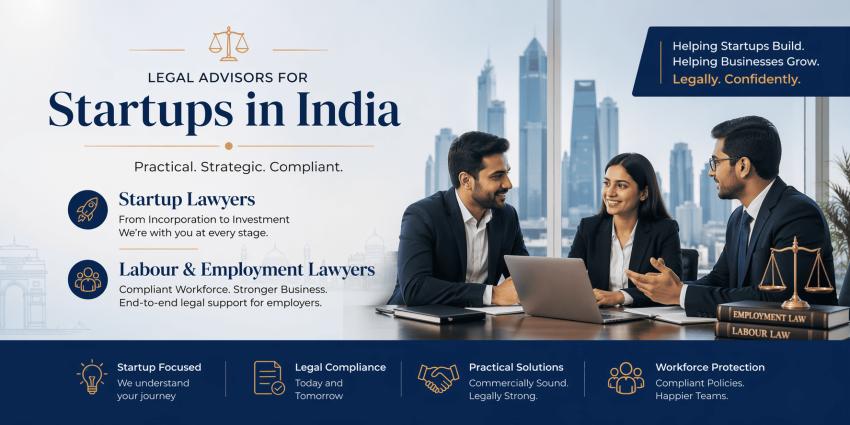
Early stage companies often underestimate compliance obligations, which can lead to challenges later. Many founders rely on the startup lawyers in India to ensure compliance is managed effectively from the beginning.
Strong compliance practices support long term success and investor confidence.
Importance of Data Protection and Privacy
With the rise of digital platforms, startups handle large volumes of user data. This has increased the importance of data protection and privacy laws.
Startups must implement robust systems to safeguard information and comply with regulatory requirements. Legal advisors help businesses understand their responsibilities in this area.
Data protection has become a central aspect of legal planning for startups.
Rise of Intellectual Property Awareness
Intellectual property plays a vital role in the success of startups, especially those driven by innovation. Protecting ideas, technology, and branding is essential for maintaining competitive advantage.
Startups are increasingly focusing on registering trademarks, patents, and copyrights. Legal guidance ensures intellectual property rights are properly secured and enforced.
Awareness of intellectual property is growing across the ecosystem.
Changing Investment Structures
Investment patterns in India’s startup ecosystem have evolved significantly. Venture capital, private equity, and angel investments have introduced complex legal structures.
Legal frameworks now address issues related to funding agreements, shareholder rights, and exit strategies. Startups must carefully structure these arrangements to protect their interests.
Professional legal support is crucial in managing investment related complexities.
Employment and Workforce Regulations
As startups grow, managing workforce related issues becomes increasingly important. Employment laws govern hiring, contracts, and workplace policies.
Startups must ensure compliance with labour regulations to avoid disputes and maintain a positive work environment. Many businesses consult a labour and employment lawyer to address these challenges effectively.
Proper workforce management contributes to organisational stability and growth.
Adoption of Alternative Dispute Resolution
Disputes can arise in various aspects of startup operations, including partnerships and contracts. Traditional litigation can be time consuming and costly.
Startups are increasingly adopting alternative dispute resolution methods such as arbitration and mediation. These approaches offer quicker and more efficient solutions.
Legal advisors play a key role in guiding startups through dispute resolution processes.
Integration of Technology in Legal Processes
Technology is transforming legal services for startups. Digital tools for contract management, compliance tracking, and documentation are widely used.
These tools improve efficiency and reduce administrative burdens. They also make legal services more accessible to early stage companies.
Technology driven legal processes support scalability and innovation.
Emphasis on Corporate Governance
Corporate governance is gaining importance even in early stage startups. Investors expect transparency, accountability, and ethical practices.
Legal frameworks encourage startups to adopt governance structures from the outset. This includes maintaining proper records and adhering to regulatory standards.
Strong governance practices enhance credibility and attract investment.
Challenges in Legal Awareness
Despite progress, many startups face challenges due to limited legal awareness. Founders often prioritise growth over compliance, leading to potential risks.
Lack of understanding of legal requirements can result in disputes, penalties, or operational disruptions. Addressing this gap requires education and access to legal expertise.
Improving legal awareness is essential for strengthening the ecosystem.
Future Outlook
The legal landscape for startups in India will continue to evolve alongside technological advancements and market growth. Increased regulation, global collaboration, and digital transformation will shape future trends.
Startups must adopt proactive legal strategies and seek professional guidance to navigate complexities. Legal expertise will play a crucial role in supporting innovation and growth.
A balanced approach to regulation and flexibility will define the future of the ecosystem.
Conclusion
Emerging legal trends in India’s startup ecosystem reflect a shift towards greater structure, accountability, and innovation. From compliance and intellectual property to employment and dispute resolution, legal considerations influence every stage of a startup’s journey.
Understanding these trends is essential for building resilient and successful businesses. Legal expertise provides the foundation for managing risks and ensuring compliance.
Trusted firms such as UN LEGAL GROUP continue to support startups by offering reliable and informed legal services aligned with the evolving needs of the ecosystem.