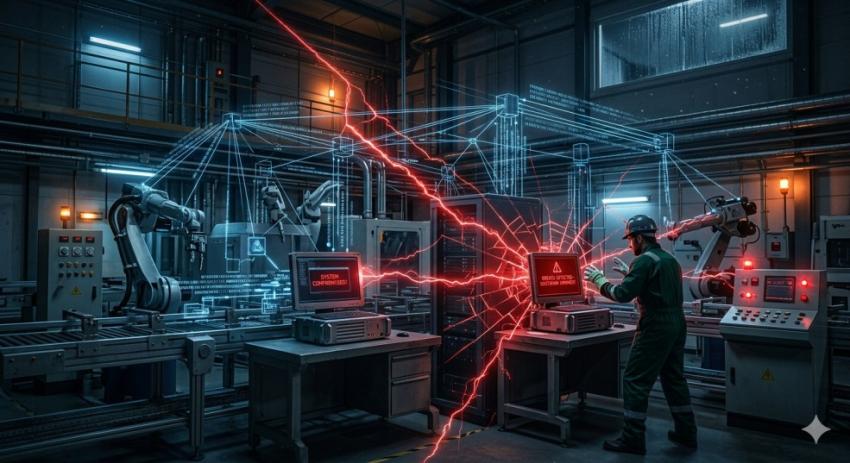
Cybersecurity no longer is a concern only for technology companies and financial institutions. Industrial/Manufacturing Companies are also becoming the target of cyberattacks.
The data breach of Palacios Marine & Industrial Coatings mirrors this current trend. Even though marine service companies, construction firms, and coats companies may appear to be unlikely targets, they are accumulating large amounts of data about their employees and customers.
Industrial companies have gone through a fast digital transformation over the last few years. Systems that once operated offline (i.e., payroll, human resources, and project management) are now digitalized and networked. Although this will allow for increased efficiency, it will also provide additional "points of vulnerability" for the hackers.
One of the biggest issues in these sectors is the poor state of their current network infrastructure. The use of legacy systems, a lack of IT resources, and inadequate frequency of security updates can provide attackers opportunities to access data. As a result, smaller industrial companies may not have a cybersecurity team (e.g., cybersecurity personnel) to adequately protect the company or deploy advanced monitoring systems.
Companies that maintain private and protected personal information about their employees, contractors, and customers have another consideration regarding the storage of their sensitive data - what type of data is being stored. There are a variety of different types of sensitive data that are likely being stored that could include identification, finances (like wages or ratings) and health (medically listed) related data associated with an employee’s eligibility for benefits via an insurance policy or to meet a company’s compliance with federal workplace regulations.
When a Security Breach happens, the ramifications can be devastatingly widespread. Not only are employees potentially at risk for identity theft, but the companies themselves will experience operational disruptions as well as brand damage. Additionally, because of regulatory requirements, companies are obligated to notify those employees who were impacted by the incident creating further liability and legal pressure to their operational resources.
Non-Traditional types of businesses are becoming increasingly appealing to cybercriminals who see them as an opportunity to acquire expendable amounts of valuable data without the same level of security defenses as traditional businesses. This is a strategic movement from highly-protected facilities to those with little or no defenses.
Physical companies need to incorporate a Cyber-Security initiative as a primary goal of their business strategy, which includes upgrading outdated technologies and equipment, implementing stronger access controls, and educating employees about recognizing potential threats.
Ultimately, one thing is certain: No one business is too small or too niche for cybercriminals’ to target. Companies of all types and industries are currently facing cyber threats, and as those threats continue to change and adapt over time, companies across multiple markets must adapt to remain in business or risk being the next headline.