The Real Reason Security Guard Turnover Is So High
Here's something nobody wants to admit — most businesses treat their security staff like fancy doorstops. They hire an Unarmed Security Guard in Port Orchard WA, hand them a clipboard, and expect miracles. Then they're shocked when the guard quits or gets let go within three months.
The problem isn't always the guard. It's that businesses skip crucial steps before the uniform ever shows up.
And it costs them way more than just another round of interviews.
What Actually Drives Guards Away
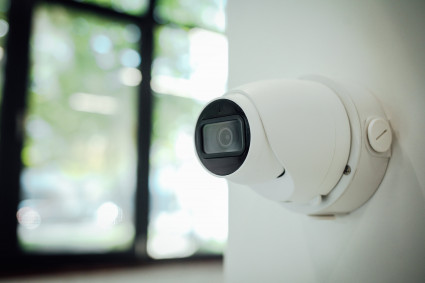
Most companies think they're hiring a human surveillance camera. Someone who'll stand there for eight hours, stay alert, and somehow prevent every possible problem without training, context, or support.
That's not how security works.
Guards leave fast when they're set up to fail. No clear expectations. Vague incident protocols. Zero communication with management. One business owner told me they never even showed their guard where the emergency exits were.
Sound familiar?
The Three Hidden Costs Nobody Warns You About
Sure, you budgeted for the hourly rate. But here's what catches people off guard:
- Training time that isn't actually training — Your new guard spends the first week figuring out your property layout, your staff dynamics, and which customers are regulars versus potential problems. That's learning on your dime.
- Incident response gaps — When something goes wrong and your guard doesn't know whether to call you, the police, or just write it down, those hesitation seconds matter. And they add up.
- Reputation damage from inconsistency — Customers notice when there's a different face every month. It doesn't scream "secure environment."
According to the Bureau of Labor Statistics, security guard turnover rates are among the highest in any industry — and most of it's preventable.
What Successful Businesses Do Differently
The companies that keep guards long-term don't have some secret hiring formula. They just treat security like an actual business function instead of an afterthought.
They start with a real site assessment. Not a five-minute walk-through. A proper evaluation of vulnerabilities, traffic patterns, and what "security" actually means for their specific situation.
Then they communicate. Daily check-ins the first week. Clear escalation procedures in writing. Direct contact info for management. Kitsap Security and Investigations emphasizes that this upfront investment in communication prevents most turnover before it starts.
The First 48 Hours Make or Break Everything
Here's what changes the game: Actually onboarding your Unarmed Security Guard in Port Orchard WA like they're part of your team.
Show them around. Introduce them to staff by name. Explain your business's specific concerns — whether that's shoplifting patterns, after-hours access, or aggressive panhandlers.
One retail manager started doing daily ten-minute briefings with their guard. Turnover dropped from every two months to people staying over a year. Same pay rate. Same duties. Just basic human respect and information sharing.
When Unarmed Security Actually Works
Not every business needs armed response. Sometimes visible presence and de-escalation skills matter more than firepower.
But you've got to match the guard's capabilities to your actual needs. Asking someone to handle violent incidents without backup or training isn't fair to them or safe for you.
Unarmed guards excel at:
- Access control and visitor management
- Deterring opportunistic theft through visibility
- Early detection and reporting of suspicious activity
- Customer service and wayfinding in retail or office settings
They're not a replacement for alarm systems, cameras, or emergency response plans. They're one layer in a complete security strategy.
The Training Gap That Creates Liability
Most businesses assume their security company handles all training. And technically, they do — the bare minimum to meet licensing requirements.
That doesn't include your property's quirks. Your problem customers. Your evacuation procedures. Your stance on when to engage versus when to observe and report.
So guards improvise. And improvisation in security situations creates liability.
One business got sued because their guard physically removed someone who was being disruptive. Turns out the company policy was "never touch anyone, just call police." Nobody told the guard that.
Questions to Ask Before You Hire
Don't just ask what the hourly rate is. Ask what happens when things go wrong.
Who provides ongoing training? How do you communicate concerns or incidents? What's the replacement policy if a guard calls in sick? Can you get the same person consistently, or is it whoever's available?
The cheapest bid usually means high turnover, minimal training, and guards who are juggling multiple sites. You get what you pay for — or in this case, you get constant restaffing headaches.
Frequently Asked Questions
How long should I expect an unarmed guard to stay?
With proper onboarding and communication, six months to a year is reasonable. Anything less than 90 days usually signals a mismatch in expectations or support. Industry average is unfortunately much shorter, but that's fixable.
What's the difference between contract security and hiring direct?
Contract companies handle HR, training, and licensing but may rotate staff frequently. Direct hires give you consistency but require more administrative work. Most small businesses prefer contract flexibility unless they need multiple full-time guards.
Can an unarmed guard detain someone?
Legally, anyone can perform a citizen's arrest in Washington, but it's risky without proper training. Most unarmed security protocols emphasize observe-and-report over physical intervention. Make sure your policies are crystal clear before an incident forces the question.
What should I include in a security post order?
Start with patrol routes and timing, emergency contacts, incident reporting procedures, and specific duties like door checks or visitor logs. Add anything unique to your property — problem areas, known individuals to watch for, special event protocols. Update it whenever something changes.
How do I know if I actually need security?
If you're losing inventory, customers feel unsafe, or you've had incidents that required police response, you probably do. Even just managing after-hours access or providing a visible deterrent can justify the cost. Run the numbers on what theft or property damage is currently costing you.
The bottom line? Unarmed security works when businesses treat it as an investment instead of an expense line. Spend an extra hour upfront setting expectations, and you'll save yourself months of rehiring headaches.