Customer loyalty, confidence and personalized service are represented in local banks - the community banks! Community banks are integrated into local economies, and some customers have longstanding relationships with their community banks. The increase in cyber crime means more opportunity for community banking systems!
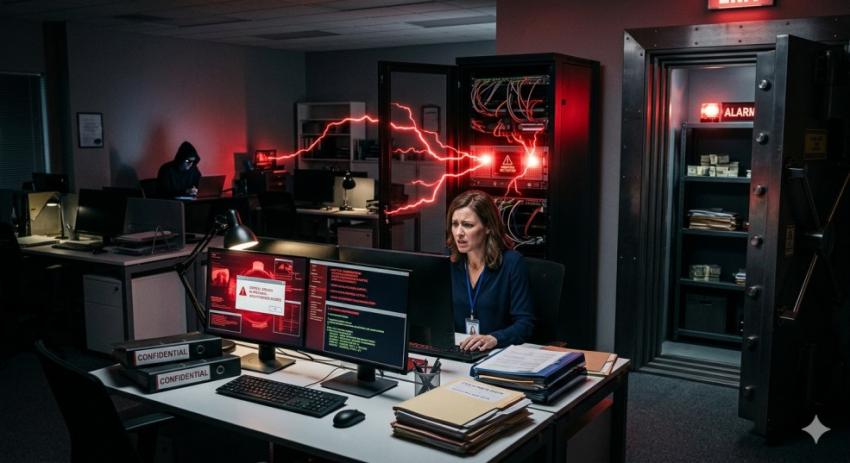
The recent Heritage Bank Data Breach incident demonstrates how easy it is for an intruder to gain access to the organization's data. All or some of their customers' and employees' personal information may be compromised. While the size of the compromised data may seem minor compared to worldwide attacks on large companies, cybercriminals are looking for vulnerabilities in communities, not just large banks.
In the past, attackers targeted big banks because of the huge possibilities for potential returns. Many of these banks have increased their use of advanced computer security systems, staff computers with extensive monitoring programs and purchased Professional Security Services, etc. Cyber criminals have identified community and small-mid size banks as their "new target".
Infrastructure complexity is a significant reason behind the risk of systemic breaches. All banks, big or small, use multiple systems to conduct day-to-day banking functions. By using multiple systems, banks create multiple potential entry points for hackers; having only one misconfigured or not secured correctly could lead to the theft of sensitive customer data.
Examples of these multiple systems include: Internal file-sharing systems used by banks to share employee/customer data; Customer management systems to manage customer interaction/conduct customer services; And Third-party integrations used for operating various bank services. If an internal file-sharing system is compromised, all data within it could be copied quickly without being discovered by the bank.
Given the value of the type of data that could be stolen, the risk of identity fraud is very high. The known risks of identity theft, for example, include stolen personal identifiable information (PII). Without stolen passwords, the risk of losing this information is greater. Once PII is compromised, it cannot be changed as easily as a password, which could increase your risk for many years after the incident.
A further concern is how rapidly these attacks occur. Often, the time between when unauthorized access is gained and when it is terminated may be only hours or days. However, this short time frame generally allows hackers sufficient opportunity to remove significant amounts of data from the system. Once the breach has been discovered and the vulnerability eliminated, it is usually too late to stop any damage that may have occurred.
For customers, the risks of losing access to their financial assets extend far beyond just the immediate loss of funds. The exposure of personal information creates long-term risks that can range from phishing attacks and tax fraud to unauthorized transactions. With this in mind, customers must remain alert to these potential threats by regularly monitoring their account statements, checking their credit, and acting quickly when they notice unusual activity.
For financial services organizations, it has become obvious that not only should cybersecurity be a central operating priority but also that it must become viewed as an operational issue rather than merely a technical problem. This includes performing regular audits of systems and developing comprehensive internal security policies, conducting extensive employee training, implementing secure data storage practices, and creating a robust system of access controls for all internal systems.
In summary, the increase in the number of breaches targeting community banks shows how dynamic the ongoing evolution of the cybersecurity landscape is. The risk of data breaches is no longer limited to the very largest institutions; all businesses that process financial data are targets for cybercriminals. As cybercriminals evolve their attack methods, the need for proactive security measures is becoming greater than ever.