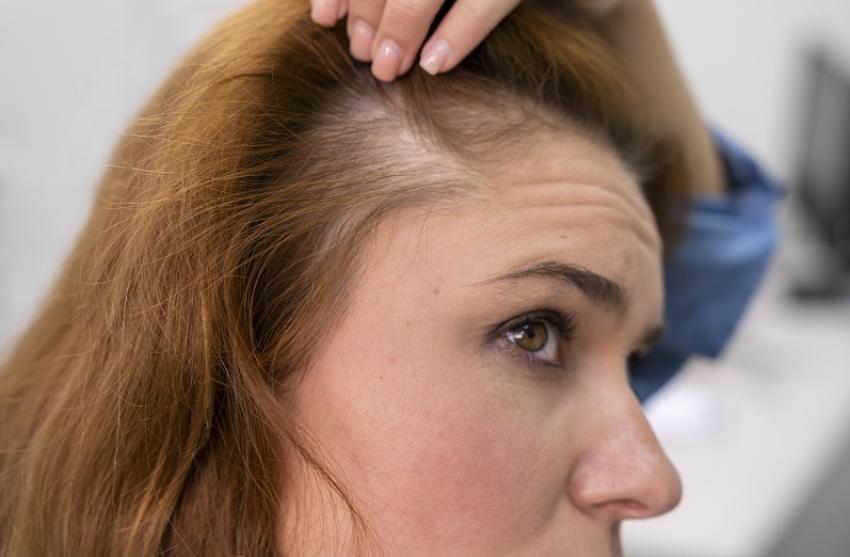
Hair thinning is a common condition, and you do need to treat it at the right time if you want to maintain your aesthetics. It is more common than you think. It can result from a variety of factors, including genetics, lifestyle choices like hair treatments and diet.
Key Takeaways
Do you know that several at-home treatments may help with thinning hair? Scalp messages, essential oils and specialised shampoos can be effective, but consulting a healthcare professional must be your priority on the list.
Beyond specific treatments, adopt a balanced diet, quit smoking and practice gentle hair care to prevent further hair loss and support overall hair health.
Unlike widespread hair loss, hair thinning does not necessarily cause baldness.
For in-depth information, follow this blog.
What Causes Thinning Hair?
Thinning hair may be caused by several factors, including lifestyle choices, genetics or both. Certain medical conditions may also to thinnning hair, understand more below:
Lifestyle Habits
Look at these lifestyle choices that you might be making, leading to thinning hair:
Colour treatments, perms and relaxers.
Hair products include extremehold hair sprays and gels.
Whether it is an updo or pulling the hair up in a pony tair your are doing while working, it can take on the hair and break it from the follicles, causing thin spots over time.
Iron, folic acid, and other minerals all help follicles produce hair naturally, so look after them.
Stress can lead to thinning hair. Too many stress hormones can trigger a condition like telogen effluvium. In this, your hair can fall out, and the hair follicles enter a long resting phase where new hair does not grow.
Hereditary or Medical Conditions
Thinning hair may also be hereditary or result from underlying medical conditions. You might have thinning hair because of the following reasons:
Recently had a baby
Recently stopped taking birth control pills
Lost a significant amount of weight in a short amount of time
Are you receiving treatment for an autoimmune disease
Going through hormonal changes
Deficiency in vitamins and minerals like riboflavin, selenium and zinc.
Skin disorder or infection
Vitamin D deficiency
Now, let us move forward to the solutions.
Hair Thinning Treatments and Home Remedies
Some thinning hair may be treatable at home, but ensure to speak to a hair specialist. Here are our hair thinning solutions:
Scalp Massage
Pros? It is affordable and accessible.
Cons? It does not address thinning hair caused by underlying medical conditions.
It could be the cheapest method of trying to get rid of thinning hair, but it does not deal with the issue stemming from medical conditions; you need a specialist.
But if you are facing stress and lack of sleep, scalp massage can be a good option to try. It does not cost anything, and if done correctly, it is not harmful.
When washing hair, gently apply pressure with your fingertips around the scalp to encourage blood flow. For more benefits, try a handheld scalp massager. It can also help remove dead skin cells.
Essential Oils
These are liquids derived from certain plants, and people primarily use them in aromatherapy and other types of alternative medicine.
Lavender oil is recommended by some people who have seen the results for pattern baldness. Some individuals combine laender with other oils, such as oils made from rosemary and thyme.
Because there is not enough evidence to support this theory, we highly recommend consulting a hair specialist before proceeding with it.
Anti-Thinning Shampoo
Anti-thinning shampoo works in two ways. First, it provides volume for the hair, and it looks thicker. This can be helpful for individuals with thinning or naturally fine hair.
Shampoos for thinning hair or hair loss also contain vitamins and amino acids to promote a healthier scalp, but to achieve the best results, use the product as instructed.
You can also ask your dermatologist which shampoo would be the best according to your hair type and scalp condition.
Multivitamins
Healthy hair is highly dependent on overall good health. In case of malnourishment or with certain eating disorders, an individual’s follicles may fail to generate new hair. A blood test can help determine if you are having a nutrient deficiency.
Daily multivitamins can be recommended by the general practitioner if they find out you are having low levels of vitamins. Healthy hair needs iron, folic acid and zinc to keep growing thick and strong over time.
Biotin
Biotin or vitamin B7 is a water-soluble nutrient. It is naturally present in foods, such as nuts, lentils and liver. A balanced diet ensures you do not lack in Biotin.
Look for “best hair restoration in Kanpur” for overall healthy hair.