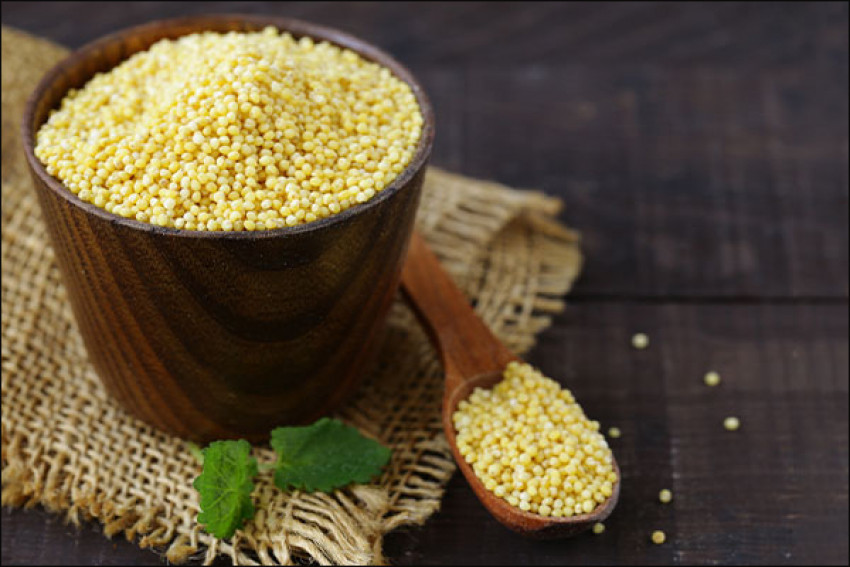
Millets
Millets worldwide are used as a supreme lifestyle, nutrition-oriented food items to increase health and wellness. Every nutritionist and dietician confirmed that Millets have remarkable benefits on human health. Apart from being Gluten-free these millets can intensify health and help in weight reduction. If there is someone who likes to consume rice and wheat in everyday meals, it might help in merging the organic millets in our diet in various ways. However, many people don't know the numerous types of millets to pick from, as well as their nutrition values, vitamins, minerals and calories. In recent times, diseases like diabetes and obesity along with their complications, are reaching almost epidemic levels. Even in high income countries these conditions are the leading cause of death and one of the main causes of aggravation of these conditions is the food that we eat. We must know the foods that are good for us or bad for us. Millets are the superior source of nutrition, available freely. These have been an essential part of our diet for many decades but are being ignored till recently.
Millets are annual, small-grained grasses, warm-weather cereals belonging to the grass family. They are highly bearable for drought and other uttermost weather conditions and have a similar nutrient content to other major cereals. According to traditional medicine, millet support improves appetite, good digestion, nourishes blood disorders, increases lactation, balances the stomach, helps to calm the sleep and maintain GI activities. They are rich in vitamins, calcium, iron, magnesium, zinc and are gluten-free.
Different Types Of Millets:
Given below there are different types of millets that are commonly taken across the world -
- Finger Millet
- Foxtail Millet
- Sorghum Millet
- Pearl Millet
- Little Millet
- Barnyard Millet
- Broomcorn Millet
- Kodo Millet
- Buckwheat Millet
- Amaranth Millet
1. Finger Millet - Finger millets universally known as Ragi and grows easily in arid areas. It is commonly taken as a healthier replacement to rice or wheat. Oftenly, referred to as an anti-diabetic grain, also good for constipation, cholesterol etc. It is a gluten-free alternative to millet and is rich in proteins and amino-acids. In the growing age of children, finger millet is planned to facilitate brain growth. It is highly rich in calcium, iron, and other minerals as well, and has a good quantity of amino acids that are essential for the human body as the antioxidant property of conventional Indian foods.
2. Foxtail Millet - Also known as kakum/kangni and is usually available worldwide in rice flour or semolina. It is an oldest cultivated millet, originated in northern china where it is widely used or recommended food for postpartum and digestive health. It is rich in carbohydrates that helps in maintaining the blood sugar levels in the body and is rich in iron, calcium, regulates cholesterol and acts as an immune-booster.
3. Sorghum Millet - Also known as Jowar/Jola and this is a very popular millet in India to make rotis, bread. It is rich in iron, protein and fibres, calcium, phosphorus, potassium, and zinc. This millet is also used as lipid lowering and lowering cholesterol levels. Many individuals are suffering from wheat allergies so they can take jowar as a best alternative. Jowar also has more antioxidants than many of the fruits, helps to increase metabolism and is highly rich in calories and macronutrients.
4. Pearl Millet - Also called as Bajra and it is the most common type of millet consumed in India that you must have tasted. Pearl millet is rich in phosphorus which helps cells store energy, and many other vital minerals. It is cooked in various ways, including roti and khichdi and is highly rich in iron, fibre, protein and magnesium, calcium. It can be perfect for your general well- being and also help you to battle diabetes mellitus type II.
5. Little Millet - Also named as Moraiyo/Shavan/Sama/Kutki smallest of millet family, reliable crop grown across India. It is very easy to cook and is often simply used as rice and rich in fibre content, loaded with vitamin B and essential minerals such as Calcium, iron, zinc, potassium and specially for those who suffer with anaemia and does not cause weight gain.
6. Barnyard Millet - also known as samvat ke chawal. One of the richest fibre and iron-containing millet among all fellow millets, it is piled up with a high amount of dietary fibres that help in digestive issues and aiding weight loss. This millet is rich in calcium and phosphorus, which can strengthen bone density, and has a low carb content that is a good source of B-complex vitamins.
7. Broomcorn Millet - commonly known as Chena in India, it maintains blood sugar level because it has a low glycemic index. It is a good option for diabetics to be included in their daily diet. It is rich in iron, carbs, calcium and potassium.
8. Kodo Millet - This millet has a high amount of lecithin and is excellent for strengthening the nervous system. It is also rich in B vitamins and calcium, potassium, magnesium and zinc. This millet is highly recommended for gluten-intolerant individuals. It is also helpful in cardiovascular diseases like hypertension and increased cholesterol levels.
9. Buckwheat Millet - Most commonly used millet in India named as Kuttu and is often taken as a meal in navratri fasting time. It is widely used by diabetic patients and also helpful in hypertensive patients. It maintains cardiovascular health and helps in weight loss. This millet also shows protection against breast cancers, asthma in young children, and cholelithiasis.
10. Amaranth Millet - also named as Rajgira/Chola/Ramdana. It is rich in protein and dietary fibres, calcium, vitamins and other minerals.Amaranth is great for healthy well- being. This millet is also helpful in fighting hair loss and lowers cholesterol levels.
Conclusion
Adopting millet in daily diet is one of the best decisions that we can make. Millets have many health benefits and give enough energy to fulfil our daily activities. We can choose various millets and cook them with amazing healthy and delicious recipes. They are rich in essential nutrients and every millet has its own different taste and properties. Now that you know about various types of millets with their respective properties, it will be easy for you to choose the right one for you and your family. You can contact with www.planetayurveda.com in case of any enquiry.