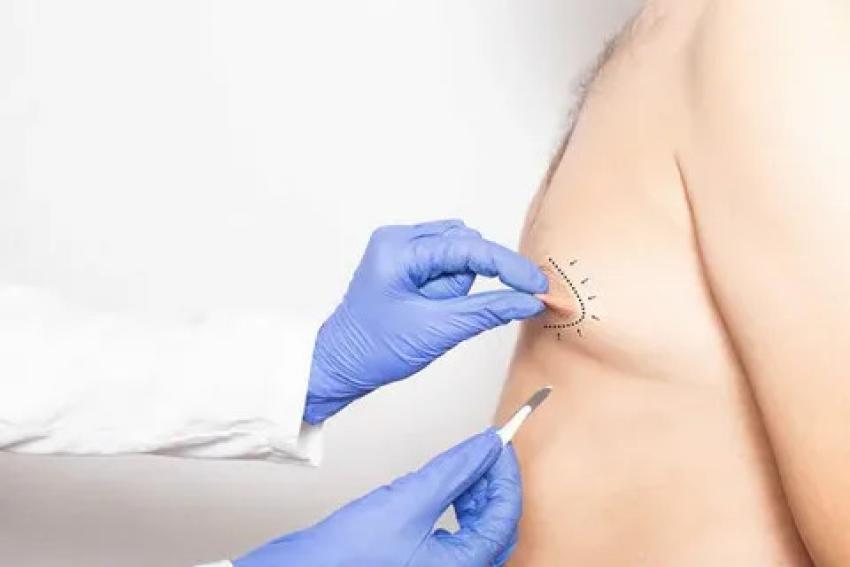
Gynecomastia, commonly known as male breast enlargement, is a condition that affects men of all ages. While usually not life-threatening, it can cause physical discomfort, pain, and emotional stress. Many men feel self-conscious about their chest appearance, which can influence confidence, social life, and clothing choices.
Understanding the medical aspects of gynecomastia is essential for effective treatment. From recognizing symptoms to choosing the right interventions, men can make informed decisions about their health and well-being.
For men seeking professional evaluation and treatment, Gynecomastia in Islamabad provides expert consultations, medical assessment, and personalized care tailored to each patient’s needs.
Causes of Gynecomastia
Gynecomastia occurs when there is an imbalance between estrogen and testosterone levels in men. Key contributing factors include:
Hormonal changes: Common during puberty or aging
Medications: Steroids, anti-androgens, antidepressants, and some heart medications
Medical conditions: Obesity, liver disease, kidney issues, or endocrine disorders
Genetics: Predisposition to excess breast tissue
Identifying the root cause helps determine whether non-surgical management or surgical intervention is necessary.
Symptoms and Signs
Common signs of gynecomastia include:
Swelling or enlargement of one or both breasts
Firm or rubbery tissue beneath the nipple
Tenderness or pain in the chest area
Asymmetry between the two sides of the chest
Men should consult a healthcare professional if they notice rapid growth, persistent pain, or nipple discharge to rule out more serious conditions.
Diagnosis and Medical Evaluation
Accurate diagnosis involves:
Physical examination and medical history
Blood tests to check hormone levels
Imaging tests such as ultrasound or mammography, if needed
Review of medications and lifestyle factors
A thorough medical evaluation ensures that treatment is safe, effective, and tailored to the patient’s condition.
Treatment Options
Treatment depends on severity, cause, and duration of gynecomastia:
Non-surgical treatments: Lifestyle changes, weight management, and hormone therapy for mild or early-stage cases
Surgical options: Liposuction, excision of glandular tissue, or combination techniques for persistent or severe cases
Modern surgical approaches focus on precision, minimal scarring, and natural-looking results.
Recovery and Aftercare
Recovery varies depending on the type of treatment:
Mild swelling and bruising are common after surgery
Compression garments support healing
Light activity can usually resume within a week
Full recovery and return to exercise typically occur within a few weeks
Following medical guidance ensures optimal results and reduces the risk of complications.
Emotional and Psychological Impact
Gynecomastia can affect mental and emotional well-being. Treatment often provides:
Improved self-esteem and confidence
Greater comfort wearing fitted clothing
Freedom to participate in sports and social activities
Addressing both physical and emotional aspects enhances overall quality of life.
Conclusion
Gynecomastia is a common but manageable condition for men of all ages. With proper diagnosis, tailored treatment, and professional care, men can achieve a natural chest contour and improved confidence.
For expert evaluation and comprehensive gynecomastia care, Enfied Royal Clinic offers professional services designed to ensure safety, effectiveness, and lasting results.