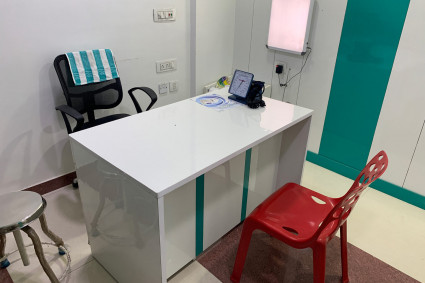
Taking your child to the dentist for the first time is a big milestone. It’s right up there with their first haircut or first steps. As a parent, you probably have a mix of emotions. You might feel excited about their growing independence. But you might also feel a little nervous. Will they cry? Will they open their mouth? These are totally normal worries.First impressions matter a lot in dentistry. A bad first experience can lead to fear that lasts a lifetime. A good one sets the stage for healthy habits forever. That’s why choosing the right provider is so important. You need a team that understands kids. If you are local to Texas, looking for a specialized cypress pediatric dentistry clinic is a smart move. These offices are designed specifically for small children. The chairs are smaller, the walls are colorful, and the staff knows how to explain things simply.
Why The First Visit Matters
The American Academy of Pediatric Dentistry recommends a visit by age one. It might seem early to some parents. They only have a few teeth, right? But this visit isn't really about heavy-duty cleaning. It is about education and prevention. It is about catching potential issues During this first appointment, the dentist checks for more than just cavities. They look at gum health and jaw development. They check for oral issues related to pacifiers or thumb sucking. They also give you a chance to ask burning questions. You can ask about fluoride, diet, or teething pain.
Preparing at Home
You can start preparing days before the actual appointment. Talk about the dentist in a positive, exciting way. Avoid using words like "pain," "shot," or "drill." These words can trigger unnecessary fear. Instead, say things like, "The dentist is going to count your teeth!" or "We are going to show off your smile."Role-playing is a fantastic tool. Grab a stuffed animal or doll. Pretend to be the dentist and count the toy's teeth. Then, let your child be the dentist and count yours. This makes the concept familiar and fun. It turns the unknown into a game.
Arrival and The Waiting Room
When you arrive, the atmosphere should be welcoming. Pediatric offices usually have toys, books, or games in the waiting area. This is designed to distract and relax children. Arrive a little early to let them play. This helps them transition from the car to the office environment.The staff at a good cypress dental office will greet your child directly. They won't just talk to you. They will ask your child's name and maybe compliment their outfit. This builds rapport immediately. It shows your child that they are the important person in the room. Feeling seen and respected helps lower anxiety for everyone involved.
Meeting the Dentist
When it's time for the exam, you will go back to the treatment area. For very young children, you will likely stay with them. The dentist might use a technique called "knee-to-knee." You sit in a chair, and the dentist sits opposite you. Your child sits on your lap facing you. Then, they lay back onto the dentist's lap.This position is comforting because they can still see you. You can hold their hands and talk to them. The dentist can see into their mouth clearly. It is a gentle way to do an exam without a big, scary chair.
The Cleaning Process
If your child is comfortable, the dentist might do a gentle cleaning. For babies and toddlers, this might just be a wet cloth or a soft brush. It is very quick and painless. The goal is to get them used to the sensation of tools in their mouth.They might use a special gritty toothpaste. They will let your child smell it or pick the flavor. Common choices are bubblegum, grape, or strawberry. Letting them choose gives them a sense of control. It makes them an active participant in the process.
Discussing Habits and Diet
After the exam, the dentist will talk to you. This is your time to learn. They will discuss your child's diet and snacking habits. Sugar is the enemy of teeth, especially sticky candies. They will give you tips on healthy alternatives.They will also talk about bottles and sippy cups. Sleeping with a bottle of milk or juice is a major cause of decay. It’s called "baby bottle tooth decay." The dentist will help you strategize on how to weave them off night feeds.
The Reward at the End
The best part of the visit is usually the end. Most pediatric offices have a treasure chest. After the appointment, your child gets to pick a prize. It might be a sticker, a small toy, or a new toothbrush.This small reward is powerful. It creates a positive memory of the visit. Your child will leave thinking about the cool toy, not the exam. It reinforces good behavior. They will look forward to coming back to get another prize.
Handling Anxiety
Despite your best efforts, some kids just get scared. That is okay. If your child has high anxiety, tell the dentist beforehand. They might schedule a longer appointment time. They might suggest bringing a comfort item like a blanket.Stay calm yourself. Children are emotional sponges. If you are tense, they will be tense. Speak in a soothing, low voice. Hold their hand or rub their leg. Your physical touch is very grounding for them.If the first visit is a disaster, don't beat yourself up. It happens. Try again in six months. Kids change and mature so fast. The next visit will likely be completely different. Consistency is more important than perfection. Just keep going back.
The Importance of Follow-Up
The first visit is just the beginning. Regular checkups are crucial. Most dentists recommend seeing children every six months. This schedule catches problems when they are small and easy to fix.Regular visits also keep the fear away. If a child only goes to the dentist when they are in pain, they associate the dentist with pain. Regular dental checkups break this cycle. They learn that the dentist is usually easy and fun.
Between visits, you need to do the work at home. Brush their teeth twice a day. Start flossing as soon as two teeth touch. Limit sugary snacks. You are the daily guardian of their smile. The dentist is just your partner.
Financial Considerations
Before you go, check your insurance. Most plans cover preventative care for kids at 100%. This means the exam and cleaning might be free. Knowing this ahead of time removes financial stress.If you don't have insurance, ask about payment plans. Many offices offer cash discounts or membership plans. Don't let cost keep you away. Preventative care is much cheaper than fixing cavities later. Investing now saves money down the road.Ask for a cost estimate if any treatments are needed. Surprise bills are never fun. A good office is transparent about pricing. They will help you understand your benefits and options.
Building a Lifetime of Smiles
Your attitude sets the tone for their oral health. If you complain about the dentist, they will hear you. If you treat it as a chore, they will too. Try to frame oral hygiene as self-care. It’s a way we take care of our bodies.Celebrate their growing smile. Point out when a new tooth comes in. Make brushing a fun family activity. Play music or use a timer app. Whatever gets them engaged is a win.You are teaching them life skills. Taking care of their teeth affects their overall health. It affects their confidence. It affects how they eat and speak. It is a big responsibility, but you can do it.
A Recap of the Day
So, let’s recap the big day. You arrive and play. You meet the friendly team. You sit knee-to-knee for a quick peek. You talk about healthy foods. You get a cool sticker. Then you go home. It really is that simple.It doesn’t have to be a scary event. With the right team and preparation, it can be great. Focus on the positives. Keep the mood light. Trust your dental team to guide you.Remember, every child is different. Some will open wide immediately. Others will need time to warm up. Both reactions are normal. Respect your child's pace. The goal is trust, not compliance at all costs.
Ready for the Big Day?
You’ve done your research. You’ve prepared your child. You’ve packed everything you need. You’re all set! Take a deep breath – you’re doing an amazing thing for your child’s health here in Cypress, Texas.And don’t forget to snap a photo! A picture of their first dental visit is a special keepsake. It’s a moment worth remembering. Years from now, you can look back and smile. And hopefully, they’ll have a beautiful, healthy smile to show for it.For more helpful parenting tips and health guides,you can visit cypress towne dental. We cover everything from teething to tantrums. We’re here to support you every step of the way on this parenting journey, right here in Cypress.
FAQs
At what age should the first dental visit happen?
The general rule is "first visit by the first birthday." You should go within six months of the first tooth erupting, or by age one, whichever comes first.
What if my child cries the whole time?
It is completely normal for young children to cry. Pediatric dentists are trained to handle this. They will often proceed gently or stop if the child is too upset. Comfort your child and stay calm; it usually gets better with age.
Should I brush my baby's gums before they have teeth?
Yes, absolutely. Use a soft, damp washcloth to wipe their gums after feedings. This removes bacteria and gets them used to having their mouth cleaned.
Are baby teeth really that important since they fall out?
Yes, they are critical. Baby teeth hold space for adult teeth. If they are lost too early due to decay, it can cause crowding issues later. They are also essential for eating and speaking clearly.
How often does my child need to see the dentist?
Most children should visit every six months. However, the dentist might suggest a different schedule based on your child's specific risk for cavities. Always follow the professional advice given for your unique situation.