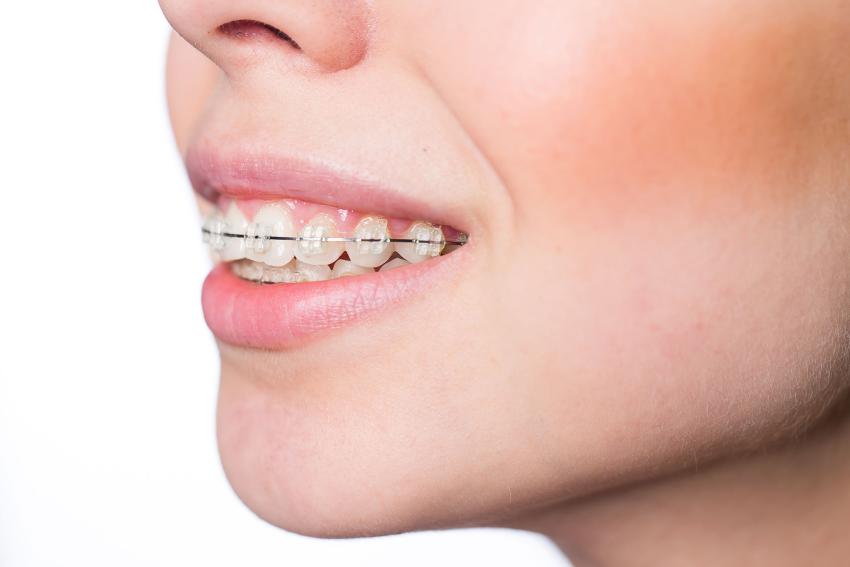
An overbite needs braces when it affects function, oral health, or long-term tooth stability. Dentists measure severity in millimeters and percentages, not appearance alone. Treatment depends on bite depth, symptoms, and growth stage.
This article explains how dentists define overbite severity, when braces become necessary, and which clinical signs trigger orthodontic treatment.
What Is an Overbite in Dental Terms?
An overbite describes how much the upper front teeth vertically overlap the lower front teeth. Dentists call this a deep bite when the overlap exceeds healthy limits.
A normal overbite measures 2–4 millimeters.
A mild overbite shows less than 50% vertical overlap.
A deep overbite exceeds 50–70% overlap.
Orthodontists assess overbite using dental exams, bite analysis, and X-rays.
How Do Dentists Measure How Bad an Overbite Is?
Dentists use objective measurements to classify overbite severity. Visual appearance alone does not guide treatment decisions.
Key diagnostic factors include:
Vertical overlap percentage between upper and lower incisors
Millimeter depth of overlap measured with dental instruments
Jaw relationship between maxilla and mandible
Tooth wear patterns on enamel surfaces
Soft tissue contact, such as lower teeth touching the palate
A deep overbite with tissue contact or enamel damage signals higher treatment priority.
What Is Considered a Mild Overbite?
A mild overbite does not always require braces. Dentists often monitor these cases without active treatment.
Mild overbite characteristics:
Less than 50% vertical overlap
No jaw pain or muscle strain
No abnormal tooth wear
Normal speech and chewing function
Observation works when oral health remains stable.
When Does an Overbite Become Moderate?
A moderate overbite often leads to orthodontic evaluation. Braces become more likely when symptoms appear.
Moderate overbite indicators:
50–70% overlap
Early enamel wear on lower incisors
Occasional jaw discomfort or headaches
Increased risk of gum irritation behind upper teeth
Dentists consider braces to prevent worsening damage. You read next how severe overbites affect health.
How Severe Does an Overbite Have to Be to Require Braces?
A severe overbite almost always requires braces or orthodontic treatment.
Severe overbite signs:
More than 70% vertical overlap
Lower teeth contacting the palate
Accelerated enamel erosion
Gum trauma or recession
Difficulty biting or chewing
Jaw joint strain or TMJ symptoms
Orthodontic correction prevents long-term damage.
What Problems Can an Untreated Overbite Cause?
An untreated overbite increases dental and skeletal risks over time. The damage progresses slowly but consistently.
Common complications include:
Tooth wear leading to sensitivity and fractures
Gum recession from abnormal bite forces
Jaw pain due to muscle overuse
Speech issues with certain sounds
Higher cavity risk from crowded teeth
Braces correct force distribution across the bite.
Does Age Affect How Bad an Overbite Must Be for Braces?
Age influences treatment timing but not severity thresholds. Children and adults receive braces for similar clinical reasons.
Differences by age:
Children and teens benefit from growth modification
Adults need braces once damage or symptoms appear
Bone growth potential helps correct jaw-related deep bites earlier
Dentists often recommend earlier treatment to reduce complexity later.
Can You Get Braces for an Overbite Without Pain or Damage?
Yes, but dentists prioritize function over aesthetics. Cosmetic concerns alone rarely justify braces unless other risks exist.
Braces may still be recommended when:
Crowding worsens the overbite
Bite imbalance risks future wear
Jaw alignment affects facial structure
Orthodontists explain risk progression clearly before treatment.
Are There Alternatives to Braces for Overbite Correction?
Alternatives exist for specific cases but depend on severity.
Common options include:
Clear aligners for mild to moderate overbites
Bite splints for symptom management only
Restorative dentistry to rebuild worn teeth
Severe skeletal overbites still require braces or combined orthodontic care.
Expert Insight on Overbite Treatment Decisions
Dr. Ammar Nalwala, DDS, owner and lead dentist at Family Kare Dental of Cinco Ranch, explains that overbite treatment depends on long-term oral health, not just measurements. Serving the Houston community since 2018, Dr. Nalwala emphasizes evaluating tooth wear, jaw comfort, and patient lifestyle together. With advanced training from the University of Michigan School of Dentistry and a patient-first approach, he focuses on preventing future damage through precise, comfortable treatment planning.
When Should You See a Dentist About an Overbite?
You should schedule an evaluation when you notice functional changes or discomfort. Early assessment reduces treatment complexity.
Book a dental visit if you experience:
Jaw soreness or headaches
Rapid tooth wear
Gum irritation behind upper teeth
Difficulty biting into food
A dentist confirms severity and explains options clearly.