Wisdom tooth removal is routine in Australia, yet the process can feel opaque. Here is a step-by-step outline of what happens, from the first appointment to the last check, so you know what to expect. If you're weighing up options locally, many clinics offer detailed guidance on Wisdom teeth removal Melbourne, including timelines and typical care pathways.
1. Assessment and planning
Your dentist or oral and maxillofacial surgeon starts with a consult. They take a history, examine your mouth and order radiographs, usually an OPG or CBCT, to map root shape, nerve position and any infection. They then recommend removal only if there is a clear reason such as impaction, decay difficult to restore, gum problems around the tooth or recurring pain.
2. Anaesthesia and sedation choices
Most extractions proceed with local anaesthetic. Some patients add oral or IV sedation for anxiety control. For complex impactions, day-surgery under general anaesthesia may be advised. Your clinician will discuss fasting rules, chaperone needs and when you can return to work or study.
3. Preparing on the day
Wear comfortable clothing, arrange transport if sedated and follow pre-op instructions, including any prescribed mouthwash. You will sign consent that sets out benefits, alternatives and possible risks such as swelling, bruising or temporary nerve tingling.
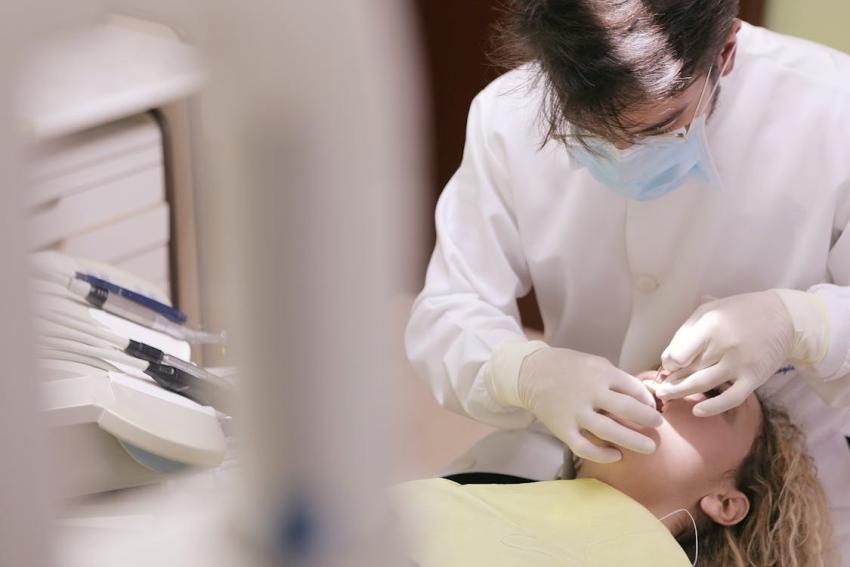
4. The surgical steps
Numbing: the area is fully anaesthetised and tested.
Access: a small gum incision exposes the tooth.
Bone removal if required: a handpiece removes a narrow rim to free the crown.
Sectioning: the tooth may be divided for controlled removal.
Extraction: gentle elevation lifts pieces from the socket.
Cleaning and closure: the site is irrigated and sutured, usually with dissolvable stitches.
For erupted teeth, steps are often simpler and quicker. Clinicians monitor comfort throughout.
5. Immediate recovery
You rest in the chair or recovery bay until stable. Bites on gauze help a firm blood clot form. Written instructions cover pain relief, cold packs, and when to start gentle salt-water rinses. Expect swelling to peak at 48 to 72 hours, then settle. A soft diet, plenty of water and no smoking support healing.
6) Aftercare milestones
Day 1 to 3: manage swelling and take prescribed analgesics and any antibiotics as directed.
Day 4 to 7: resume light activity, keep the area clean with a soft brush and rinses.
Week 2: stitches often dissolve; most people return to normal eating. Call your clinic if pain worsens or you notice a foul taste, as this may signal a dry socket.
Curious why people in their twenties are often booked for removal? Late-erupting molars can trap plaque and press on neighbouring teeth. That said, not every third molar needs surgery; monitoring is a valid plan when teeth are healthy and easy to clean. For regional context, many Australians search for Wisdom teeth Melbourne to find clinics with imaging on site and flexible appointment times.
Costs and value
Fees vary with complexity, imaging and anaesthesia. Item numbers help you seek rebates from private health insurance where eligible. For a breakdown of typical fees and payment options, see Wisdom teeth removal cost Melbourne, then confirm specifics with your provider.
Safety and outcomes
When planned well, recovery is straightforward and complications remain uncommon. Choosing a practitioner who explains imaging findings, anaesthetic options and home care makes a noticeable difference. Clear planning, careful technique and good aftercare add up to a smoother experience and a healthier mouth long term.