Limerence can be a difficult emotion to overcome. You should seek the support of a therapist to help you develop coping strategies and identify any underlying issues like anxiety or an insecure attachment.
You can also develop better patterns of relationship with others by using cognitive behavioral therapy techniques. You could identify and challenge any distorted beliefs you have about the person that you are obsessed with.
1. Understanding the Causes
A healthcare provider can assess adults experiencing ADHD symptoms and determine if they require a prescription. The most common treatment for ADHD is medication. It can improve symptoms dramatically. This can reduce frustration at work, school and home.
A therapist will help you to identify and address underlying issues, such as low confidence or traumas from the past. A therapist will also teach you effective coping skills, like regular exercise and eating a healthy diet that can support your mental health.
In part, this is because boys tend to be physically hyperactive and impulsive. Parents and teachers may find it difficult to get them to wait their turn or sit still. A sibling who has ADHD increases your chances of being diagnosed. Other non-genetic causes of ADHD include exposure to drugs during pregnancy, smoking or lead, being born prematurely, and extreme stress.
2. Recognize the signs
ADHD symptoms can be very different between children and adults. The NIMH site has resources that can help people better understand the symptoms of ADHD in different age groups and genders. The differences in behavior can also be influenced by cultural expectations and beliefs.
In addition to the classic symptoms of inattention and hyperactivity/impulsivity, people with the disorder may have compulsions that involve repetitive behaviors or a sense of urgency that does not match their actual situation. A person with OCD, for example, may repeatedly wash their hands to relieve anxiety brought on by fears of contamination or harming family members.
If you suspect that you have ADHD, it is important to speak with your healthcare provider. The doctor will examine the symptoms to determine if another medical condition could be causing their problem. Treatment plans can include psychotherapy or medication. Adults who suffer from this condition can benefit greatly from treatment.
3. Get Help
It's important to consult an ADHD specialist if you suspect you may have limerence. You can learn how ADHD may affect your relationships and get strategies for managing the symptoms.
You can learn from a therapist how to overcome limerence. These might include cognitive behavioral therapy and ACT (Acceptance and commitment Therapy). You may also benefit from medication management.
A state of intense emotions and obsession is limerence. This usually involves a romantic interest. It can also occur with other interpersonal dynamics such as feeling for friends, mentoring, or idolizing public figure.
People with ADHD are often in the spotlight because they focus so much on their relationships that they ignore warning signs or believe their loved ones when it comes to making bad decisions. In addition, they tend to ignore their own interests and social relationships which can harm those relationships. Spend more time with family and friends to avoid this problem.
4. Break Free
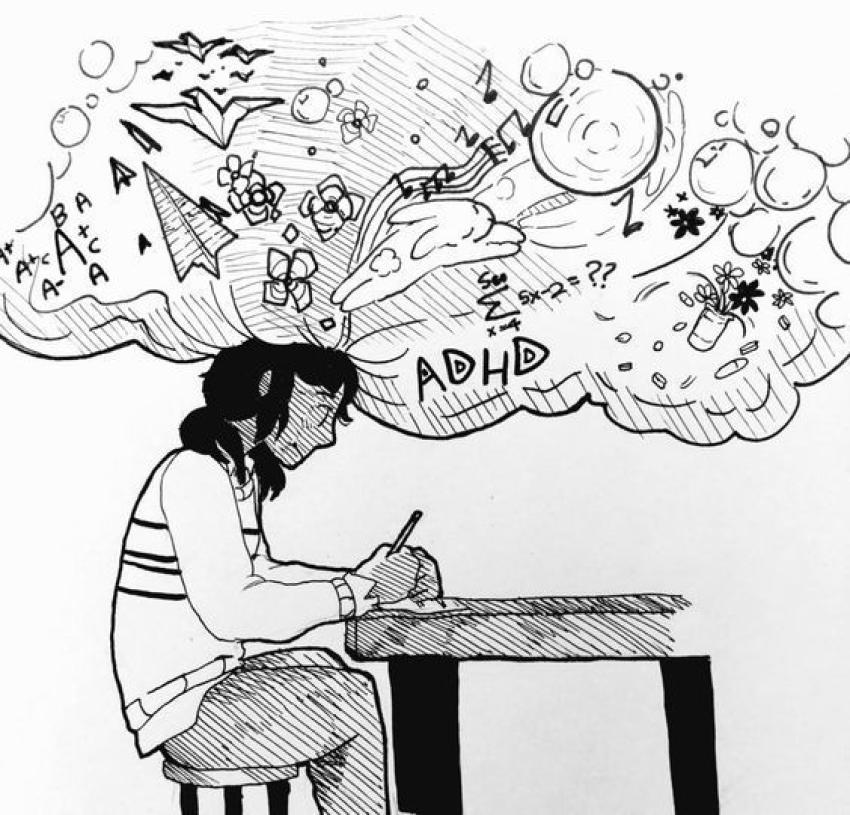
People with ADHD have difficulty focusing their thoughts. It can cause them to feel overwhelmed or stuck. This leads to them procrastinating. When they finally start the task, they might feel it's impossible to finish, so they put it off. This cycle can lead to feelings of guilt, frustration and low self-esteem.
Encourage your loved ones to seek professional help in managing their ADHD symptoms. A therapist will teach healthy tools and strategies to help break the cycle of procrastination. They can help them create a plan for prioritizing tasks and setting realistic expectations.
Encourage your loved one develop a daily schedule that includes regular exercise and a healthy diet. Also, ensure they get enough sleep. It can help your loved one stay calmer, reduce mood swings, and fight the impulsivity associated with ADHD. Alarms can be set to remind people of deadlines and meetings, while a calendar is used to track important events.