Recent research in industrial process management shows that digital systems reduce production errors by up to 40%. in the stainless steel industry, even small inconsistencies in temperature, alloy mix, or finishing can affect quality. this is why manufacturers need software that tracks, monitors, and connects every stage of production.
stainless steel ERP software helps because it links all departments — from melting and rolling to polishing and dispatch — in one system. when information moves in real time, it becomes easier to control quality. you can see where an error started, who worked on it, and which batch was affected. this visibility builds accountability.
in traditional setups, records are often kept in spreadsheets or paper logs. people manually enter data after each process. this leads to missing details or wrong entries. ERP software automates that. it collects data directly from machines or input terminals. every piece of material gets a digital ID. this ID stays with it until the final product leaves the factory.
this is how traceability works. when a customer reports an issue, you can trace the product back to its source in seconds. you’ll know the heat number, raw material supplier, and exact process used. it saves hours of investigation. it also helps maintain ISO and industry compliance.
quality management improves too. ERP for stainless steel manufacturing sets quality checkpoints in every phase — casting, annealing, cutting, finishing. if any batch fails a parameter, the system alerts supervisors immediately. they can isolate that batch before it moves forward. this stops waste and rework.
another benefit is consistency. stainless steel products require exact grade composition. ERP software tracks alloy usage, batch temperature, and hardness test data in real time. you can compare results with standard values. it keeps every coil, sheet, or pipe within tolerance limits.
managers also get detailed reports. dashboards show quality trends, rejection reasons, and supplier performance. this data helps improve planning and procurement. it becomes easier to choose better suppliers and reduce defects.
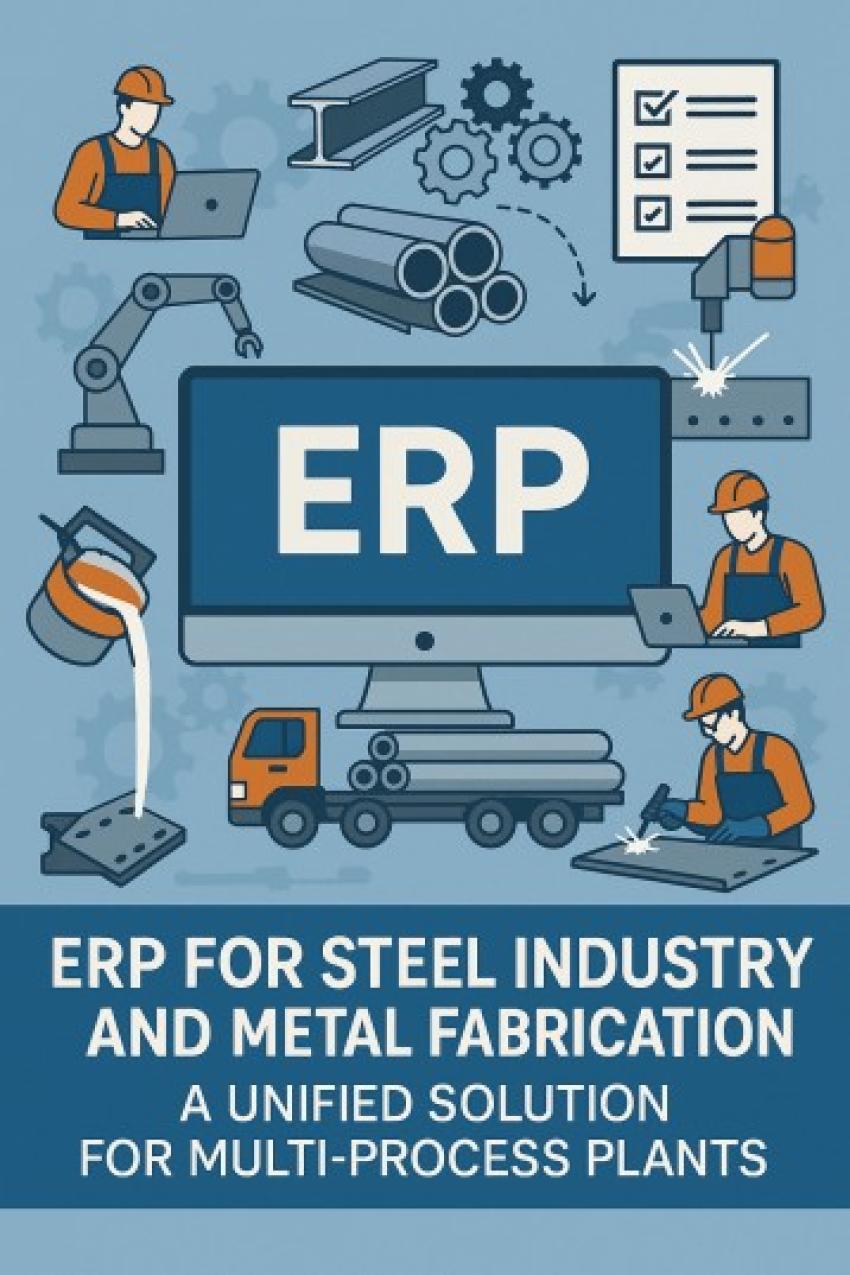
for metal fabrication and steel manufacturing units, ERP software supports process integration. it connects design, production, inventory, and sales. each department sees the same data. this reduces miscommunication and delays.
ERP also helps in documentation and certification. many stainless steel customers ask for mill test certificates. with ERP, you can generate them instantly with complete traceability details. it saves time and builds trust with clients.
in today’s global market, transparency is critical. buyers want to know the source of their materials and how they were processed. ERP for the steel industry provides that transparency. it builds confidence and supports long-term business relationships.
using stainless steel ERP software is not just about automation. it’s about creating a controlled, visible, and data-driven environment. when processes are tracked accurately, quality improves naturally.
as the steel industry moves toward Industry 4.0, having ERP software with strong traceability and quality control is no longer optional. it’s a foundation for better decision-making, cost control, and customer satisfaction.