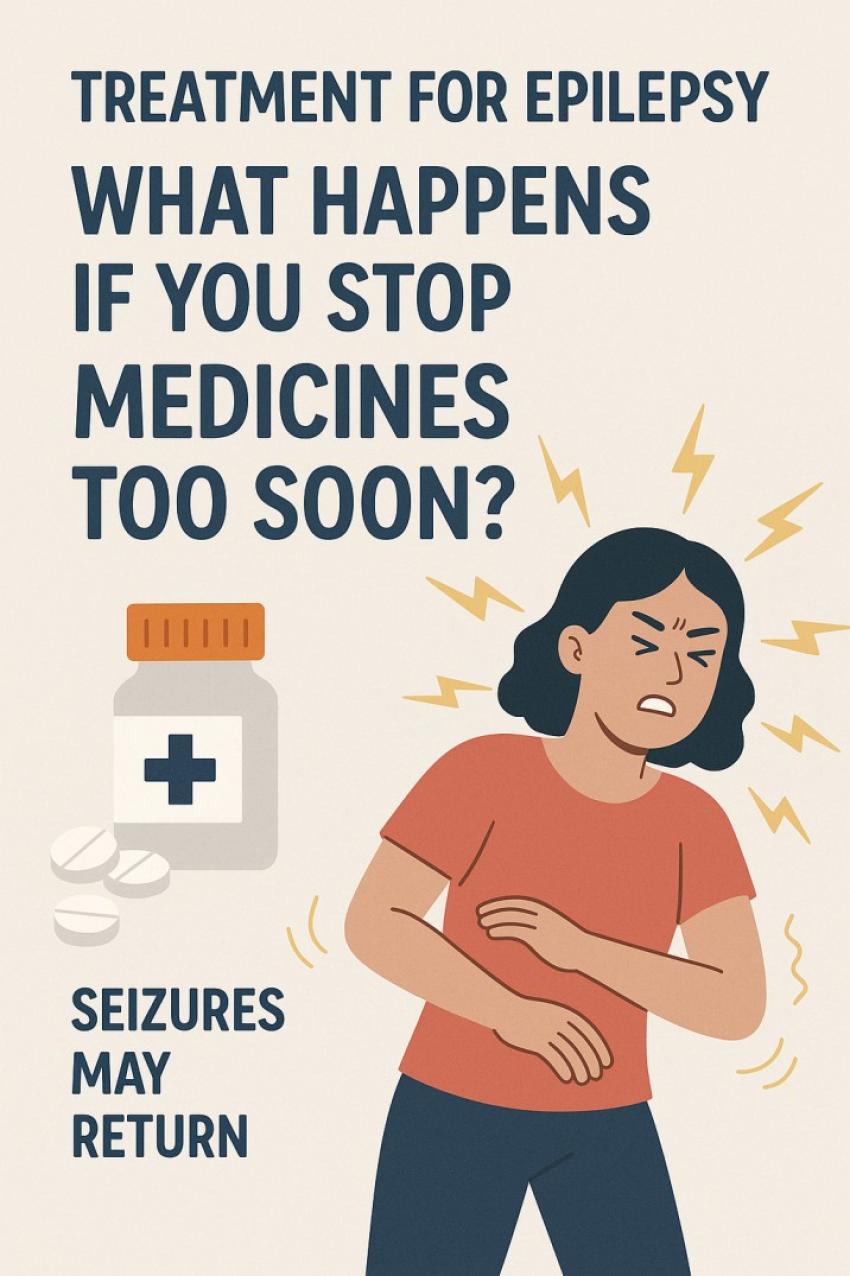
Living with epilepsy is not easy. Many people take medicines every day to control seizures. These medicines, also called anti-epileptic drugs (AEDs), help stabilize the brain and prevent abnormal electrical activity.
But there’s a common question: “If my seizures have stopped, can I stop taking medicines?”
The truth is, stopping medicines too soon can be risky. Even if you feel fine, epilepsy may still be active inside the brain.
Why People Stop Medicines Early
There are many reasons patients decide to stop medicines:
Thinking epilepsy is cured: When seizures don’t happen for months or years, patients believe the condition is gone.
Side effects: Some medicines cause drowsiness, weight gain, mood changes, or stomach problems.
Cost of long-term treatment: Daily medicines can feel expensive, especially in cities like Delhi.
Stigma and denial: Some people don’t want to identify as someone with epilepsy, so they stop treatment quietly.
It’s common to hear: “I’ve been fine for months, why should I keep taking pills?” But epilepsy is not always visible. The brain may still carry a risk of seizures even when symptoms are absent.
The Risk of Seizure Relapse
Stopping medicines without medical advice can cause seizures to come back. Doctors call this relapse.
Relapse is dangerous for three reasons:
Seizures can return suddenly. A patient may go months without a problem and then collapse unexpectedly.
Higher risk of injury. Seizures can cause falls, accidents, or even life-threatening situations.
Drug resistance may develop. Sometimes, when medicines are restarted, the brain does not respond as well. This leads to drug-resistant epilepsy, which is much harder to treat.
Doctors explain that the brain needs years of stability before medicines can be reduced. Even if you are seizure-free for one or two years, epilepsy may still be active.
How Neurologists Manage Epilepsy Treatment
Neurologists and sleep specialists in Delhi follow a structured plan when considering medicine withdrawal:
Review your seizure history. They check how often seizures happened, what type, and how long you’ve been seizure-free.
Check tests like EEG and MRI. If brain scans still show abnormal activity, medicines continue.
Gradual tapering. If the doctor believes it is safe, medicines are reduced very slowly over months. Stopping suddenly is never recommended.
Monitoring during tapering. Patients are closely watched to see if seizures return.
This step-by-step approach helps reduce the chance of relapse.
Raising Awareness
Awareness is the first step in safe epilepsy care. Medicines are not just about controlling today’s seizures. They protect the brain’s future stability.
Even missing a few doses can be risky. Many seizure emergencies happen after skipped medication. That’s why doctors remind patients to set alarms, use pill boxes, or keep a backup dose when traveling.
Seeking Medical Guidance
If you’re thinking about stopping, never do it alone. A neurologist or epilepsy specialist in Delhi can guide you. Sometimes, they may:
Adjust the dose to reduce side effects.
Switch to a newer medicine that feels lighter on the body.
Combine lifestyle advice with treatment, like better sleep or stress control.
This makes epilepsy treatment safer and easier to follow long term.
Taking Action if Seizures Return
If seizures return after stopping medicines too soon:
Go back to your doctor immediately. Don’t wait for another seizure.
Avoid self-medicating. Restarting old medicines without advice can be harmful.
Follow a long-term plan. Doctors may restart treatment, add tests, and adjust doses.
Early medical attention after relapse can prevent complications.
Key Takeaway
Stopping epilepsy medicines too soon is not safe. It can bring seizures back, increase risks, and make treatment harder later.
Always follow your doctor’s advice. Treatment for epilepsy is not only about controlling seizures today. It is about protecting your brain for tomorrow.
If you live in Delhi or nearby, consult a neurologist or epilepsy treatment centre before making any changes. A careful medical plan is the safest path.