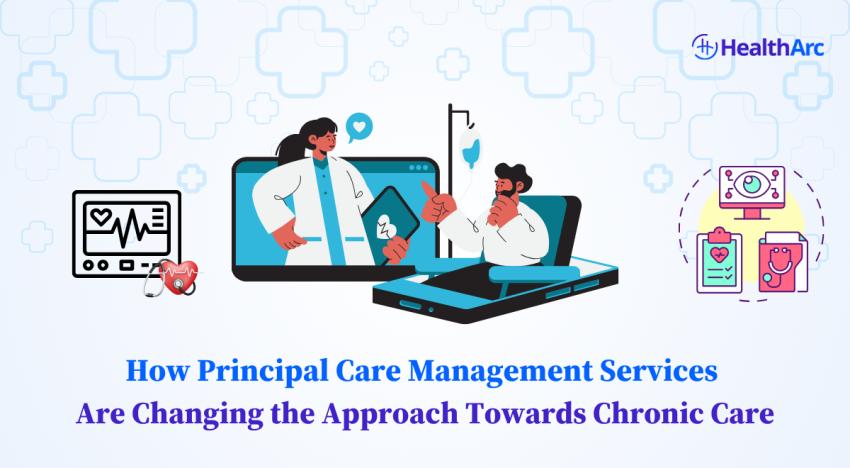
The lived experience of a single high-risk chronic illness, which demands unwavering attention every second of the day, is far from overwhelming. This is where Principal Care Management Services steps in—a Medicare-funded program that focuses on aiding with attention on one serious chronic illness. Using the supported software in conjunction with these services helps healthcare providers on the giving side and patients on the receiving side manage their care. But what are these services, and how are they really helping?
What Are Principal Care Management Services?
Examples of single complex chronic illnesses are diabetes, heart failure, and severe asthma. These illnesses are preventable and manageable; however, they represent a complex condition that requires attention for more than three months. These symptoms have a tendency to worsen and are frequently associated with hospitalization. Unlike chronic care services, this software does not consider a large umbrella of illness but focuses on one illness at a time and crafts a customized care approach. With the use of Principal Care Management software, the entire approach can be automated, allowing for seamless creation of care plans and aggregation tracking of patient data as well as care coordination. Such software aids in the integration with electronic health records (EHRs), which helps in the collection of patient data.
As an example, let’s take Maria, aged 55, who suffers from chronic hypertension. Her physician utilizes Principal Care Management Services to monitor her blood pressure, adjust medications, and streamline communication throughout the month. The software notes and flags any concerning readings, and her physician is able to intervene appropriately. This approach prevents complications and hospital admissions. But in what ways does this strategy directly benefit the patients?
In What Ways Do Principal Care Management Services Empower Patients?
For patients like Maria, Principal Care Management Services provide a greater degree of self-management and control over their health. During the check-in, which is usually telephonic, patients are educated on their condition, issued waiting medication changes, and engaged in triadic communication via the patient’s family. Remembered self-care is strengthened by Principal Care Management Software, which automates reminders to patients about taking their medications and follow-ups. The care team actively manages their health, reassuring patients and instilling confidence in them.
The software facilitates remote engagement. For instance, patients can connect glucose monitors or heart rate trackers, which sync with the platform. This feature enables real-time monitoring, which allows for quicker response times and intervention, reducing the risk of emergencies. The CDC shows chronic conditions account for 90\% of U.S. healthcare costs, and principal care management services mitigate these by complication prevention. But how do providers benefit from this system?
Why Do Principal Care Management Services Help Providers Succeed?
Healthcare providers have an advantage with the use of Principal Care Management Services. They enable specialists to manage high-risk conditions and receive reimbursement through CPT codes 99424 and 99426. Principal Care Management Software further facilitates this process through automated documentation and care time tracking, as well as compliance with Medicare regulations. This means accurate billing can take place, and providers are often reimbursed $61-$139 per patient monthly, without the burden of documentation.
The described software solutions also cut down on administrative workload. For instance, they automatically synchronize with electronic health records (EHRs), track patient engagement, and automatically create auditable reports that are necessary for Medicare claims. This efficiency enables providers to dedicate more time to patient care. Practices using such systems, Medsien and ThoroughCare, report not just enhanced clinical outcomes but also improved financial performance, with some reporting $250,000 in annual revenue for a patient population of 500. But what is the underlying value proposition of these services in the context of more complex healthcare issues?
In what ways do Principal Care Management Services enhance healthcare access?
Principal Care Management Services help close access gaps, especially in more remote locations. Utilizing Principal Care Management Software tools, providers are able to offer remote care and assist patients who have difficulty accessing clinics. Consider the example of a patient in a rural area with heart disease. With remote patient monitoring, the patient can send vital information to a specialist who monitors the patient’s progress with telehealth. This approach lessens the burden of traveling to see the specialist and enables more timely access to necessary care.
In addition, the program promotes healthcare equity by concentrating on high-risk patients who are likely to go unserved. With proper implementation, some principal care management services are able to reduce hospital readmissions by up to 20%. Additionally, the 2025 expansion of reimbursements for Rural Health Clinics will further enhance access. What comes next, then?
What Do You Foresee for the Future of Principal Care Management Services?
Integration and scalability define the future of principal care management services. With the evolution of principal care management software, AI will be integrated to forecast risks and further tailor healthcare plans to individual needs. Additionally, Remote Patient Monitoring and other programs will enable seamless interoperability, forming an integrated continuum of care. CMS's Advanced Primary Care Management codes, set to take effect in 2025, will enhance value-based care.
Healtharc empowering patients, streamlining provider workflows, and closing access gaps are the hallmarks of the transformation in chronic care brought about by Principal Care Management Services and their enabling software. They go beyond the classification of tools; they provide a vital connection to healthcare. The question now is, are you ready to understand and appreciate their impact?