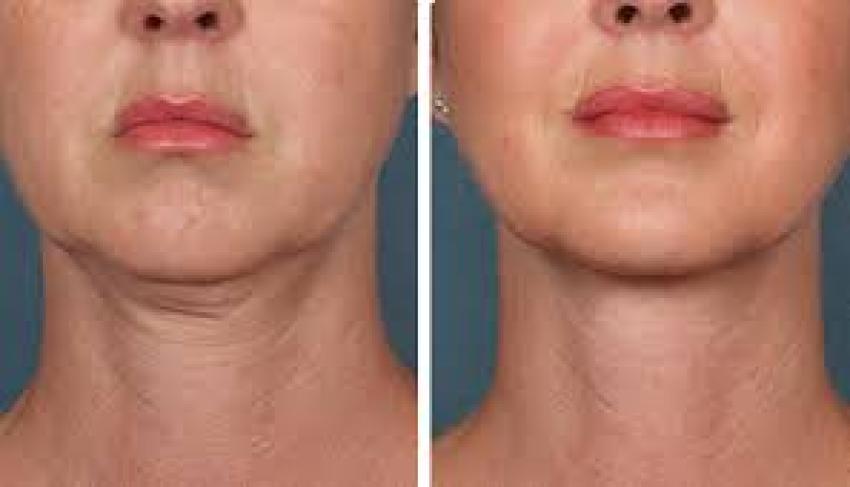
Your client walks into your clinic feeling self-conscious about their neck. They tug at their collar to hide wrinkles and sagging skin. They've tried expensive creams and considered surgery but want better options. The neck shows aging faster than the face, making clients feel older. They need real solutions that actually work.
Today's clients want natural treatments that don't require surgery or long recovery times. Platelet-Rich Plasma (PRP) therapy offers exactly what they're looking for. This new treatment uses their own blood to heal and rejuvenate neck skin. It's safer than surgery and more effective than creams.
Neck PRP therapy gives clients a natural way to improve their aging necks. This treatment uses platelets from the patient's own blood to rebuild collagen. It works better than creams and is much safer than surgery. Clients see gradual improvements over several months with minimal downtime. Unlike surgical neck lifts that cost thousands and require weeks of recovery, PRP costs less and lets clients return to work immediately. The results look natural because the treatment works with the body's healing process.
Understanding Why Necks Age Faster
The neck area presents unique challenges that make traditional anti-aging approaches less effective. Understanding these factors helps explain why neck PRP rejuvenation has become such a popular solution. Knowledge of neck anatomy and aging patterns guides better treatment decisions.
The Neck Shows Age Before the Face
The neck has thinner skin than the face and fewer oil glands. This makes it more likely to show wrinkles and sagging earlier. Daily movements like turning your head create lines that get deeper over time. Sun damage and gravity make the problem worse each year.
Neck skin also stretches more easily because it has less support underneath. The muscles in the neck are different from facial muscles too. They move constantly when we talk, swallow, and look around.
How Neck Aging Affects Confidence
Clients don't just see wrinkles when they look in mirrors. They see someone who looks older than they feel inside. The neck is visible in photos, video calls, and professional meetings. This makes people very aware of how their neck looks.
Many clients change their clothing choices to hide their necks. They wear high collars, scarves, or turtlenecks even in warm weather. Some avoid certain hairstyles that would show their neck more clearly.
Traditional Neck Treatment Options
Surgical Neck Lifts - The Old Standard
Doctors have used neck lift surgery for decades to treat aging necks. The surgery removes extra skin and tightens muscles underneath. Results can be dramatic, but the procedure has serious drawbacks.
Surgery requires general anesthesia and several weeks of recovery time. Patients face risks like infection, nerve damage, and visible scars. The cost ranges from $8,000 to $15,000 in most areas. Many clients can't afford this expensive option.
Recovery involves wearing compression garments and limiting activities for weeks. Some patients develop complications that require additional procedures. The results also look unnatural if too much skin gets removed.
Laser Therapy for Neck Tightening
Laser treatments heat the deep layers of skin to stimulate collagen. They promise skin tightening without surgery or long recovery times. Many different laser types are available for neck treatments today.
However, laser results are often subtle and require multiple sessions. Each session costs hundreds of dollars and progress is slow. Some clients don't see any improvement after several expensive treatments.
Laser therapy also carries risks like burns and skin color changes. The neck's thin skin makes these complications more likely. Results typically last only one to two years maximum.
Chemical Peels for Neck Skin
Chemical peels remove damaged skin layers to reveal smoother skin underneath. They work well for minor texture problems and light spots. The neck area limits how strong the peel can be.
Peels mainly improve surface issues rather than deeper aging problems. They don't help with sagging skin or deep wrinkles much. Multiple peels are needed to see noticeable improvement in most cases.
The healing process involves peeling and redness for several days. Some people develop uneven skin color after neck peels. Results are temporary and require regular repeat treatments.
Injectable Treatments Have Limitations
Dermal fillers and Botox face challenges in the neck area. The thin skin makes filler lumps more visible and harder to hide. Botox can help with some neck bands but doesn't improve skin quality.
Filler placement in the neck requires advanced skills and experience. Poor injection technique can create visible bumps or uneven results. The neck's constant movement can also shift fillers over time.
These treatments are expensive and need frequent touch-ups every few months. They also don't address the underlying causes of neck aging.
What Makes PRP Therapy Different
The Science Behind PRP Treatment
PRP uses platelets from the patient's own blood to promote healing. A simple blood draw starts the process, just like lab tests. The blood gets spun in a machine to concentrate the platelets.
These concentrated platelets contain growth factors that stimulate healing and repair. When injected into neck skin, they trigger the body's natural renewal process. New collagen and elastin form over the following months.
This natural approach eliminates risks of allergic reactions or rejection. The body recognizes its own platelets and uses them effectively. The treatment works with natural healing rather than against it.
How PRP Fixes Neck Problems
PRP addresses aging at the cellular level rather than just the surface. Growth factors stimulate cells called fibroblasts to make new collagen. This improves skin thickness, elasticity, and overall quality over time.
The treatment also increases blood flow to the treated area. Better circulation brings more nutrients and oxygen to skin cells. This helps the healing process work more effectively.
Unlike surface treatments, PRP continues working for months after injection. The improvement happens gradually and looks completely natural. Results develop slowly like natural aging happens in reverse.
Comparing How Well Treatments Work
Quick Results vs. Gradual Improvement
Traditional treatments often show immediate changes that appeal to impatient clients. Surgery provides instant dramatic results, while lasers may show some immediate tightening. However, these quick changes often look unnatural at first.
PRP follows a different timeline with gradual, natural-looking improvements. Initial changes appear within 2-4 weeks of treatment. Peak results develop over 3-6 months as new collagen forms.
This slower process allows for more natural-looking enhancement over time. Friends and family notice that clients look refreshed and rested. They don't realize that any treatment was performed.
How Long Results Last
Treatment durability greatly affects client satisfaction and long-term value. Surgical results can last 10-15 years but aging continues afterward. Laser treatments typically provide benefits for 1-2 years only.
PRP results last 18-24 months with some clients seeing benefits longer. The biological improvement fades gradually rather than suddenly disappearing. This allows for strategic maintenance treatments when needed.
The natural fading process means clients don't suddenly look worse. They gradually return to their baseline appearance over time. Maintenance treatments can extend results for many years.
Safety Comparison Between Treatments
Risks of Traditional Methods
Traditional neck treatments carry different levels of risk depending on invasiveness. Surgery presents the highest risks including anesthesia complications and infections. Even laser treatments can cause burns or permanent skin color changes.
Surgical complications can include nerve damage, poor healing, and unsatisfactory results. Some patients require additional procedures to fix problems from the first surgery. Recovery complications can also extend healing time significantly.
Less invasive treatments still carry risks like skin damage or allergic reactions. The neck's sensitive skin makes complications more likely than facial treatments.
Why PRP Is Safer
PRP therapy has an excellent safety record because it uses natural materials. The patient's own blood eliminates allergy and rejection risks completely. Serious complications are extremely rare with proper technique.
Common side effects are mild and temporary, including slight swelling or bruising. Most clients can return to normal activities immediately after treatment. The minimally invasive nature reduces most surgical risks.
The natural approach also means no foreign substances remain in the body. This eliminates long-term risks associated with permanent implants or synthetic materials.
What Clients Experience During Treatment
Comfort and Convenience
Modern clients want treatments that fit busy lifestyles without major disruptions. PRP sessions take 45-60 minutes including blood draw and processing time. Most clients return to work the same day.
The treatment process is generally comfortable with topical numbing cream applied first. Most people describe the injections as similar to getting vaccinations. Only brief moments of mild discomfort occur during injection.
Activity restrictions are minimal, with only strenuous exercise limited for 24-48 hours. Clients can wear makeup and resume normal skincare routines immediately. This convenience appeals to busy professionals and parents.
Benefits of Natural Treatment
Clients feel good about choosing a natural enhancement method using their body's healing. This aligns with wellness philosophies focused on working with the body. Many people prefer this approach over synthetic materials or surgery.
The psychological benefit of natural treatment shouldn't be underestimated in satisfaction. Clients often express pride in choosing a regenerative approach to aging. This positive mindset can enhance treatment outcomes.
Natural treatments also avoid the stigma sometimes associated with cosmetic procedures. Clients feel comfortable discussing their choice with friends and family.
Privacy and Social Considerations
Unlike surgery requiring explanation of bandages or visible recovery signs, PRP maintains privacy. The subtle, progressive results appear natural to others around them. People comment that clients look well-rested rather than obviously treated.
This discretion appeals to professionals who can't show obvious signs of cosmetic work. It also helps clients who prefer private enhancement choices. The gradual improvement timeline supports natural appearance claims.
Social media and photo-friendly results develop slowly and look authentic. Clients don't need to avoid cameras or social events during recovery.
Cost Analysis and Value
Initial Investment Comparison
PRP treatments cost $800 to $1,500 per session in most markets. This is significantly less than surgical alternatives costing $8,000 to $15,000. The lower upfront cost makes PRP accessible to more clients.
When considering all surgical costs including facility fees and anesthesia, PRP provides better value. Multiple PRP sessions still cost less than one surgical procedure. This makes budgeting easier for many families.
Payment plans and package pricing can make PRP even more affordable. Many practices offer financing options to spread costs over time.
Long-Term Value Analysis
Cost-effectiveness must be evaluated over time considering maintenance and longevity. PRP typically requires 2-3 initial sessions followed by annual maintenance treatments. This creates predictable ongoing investment schedules.
Clients can budget for long-term care while achieving sustained improvements gradually. The maintenance approach also allows for adjustments as aging continues. Treatment intensity can be modified based on results and goals.
Compared to repeated laser sessions or eventual surgical revision, PRP offers competitive value. The natural approach also avoids complications that might require expensive corrections.
Practice Benefits for Providers
PRP treatments offer attractive business benefits including higher profit margins than product-based treatments. Overhead costs are lower than surgical procedures requiring operating rooms. Growing demand positions practices favorably in competitive markets.
The treatment's safety profile reduces malpractice insurance concerns compared to surgery. Client satisfaction rates are typically high with proper case selection. Referral potential increases with happy clients sharing natural-looking results.
Package pricing and maintenance programs create ongoing revenue streams from satisfied clients. This business model provides more stability than one-time procedures.
Finding the Right Candidates
Who Benefits Most from PRP
Ideal PRP candidates have mild to moderate neck aging with realistic expectations. Good overall health and normal blood clotting are important requirements. Clients seeking gradual, natural improvement work best with this approach.
Those with active skin infections or bleeding disorders may not qualify. Certain medications can also affect candidacy for treatment. Thorough medical history review identifies potential concerns before treatment.
Realistic expectations about gradual improvement are essential for satisfaction. Clients wanting immediate dramatic changes may be better served elsewhere. Proper consultation ensures good candidate selection.
When Traditional Treatments Work Better
Despite PRP advantages, traditional treatments remain appropriate for specific situations sometimes. Severe skin laxity may require surgical intervention to achieve desired goals. Clients needing immediate improvement for events might prefer faster options.
Very advanced aging with significant excess skin responds better to surgical removal. Budget constraints might also influence treatment choices in some cases. Individual anatomy and healing factors affect treatment recommendations.
Combination approaches using multiple treatments can optimize results for some clients. This allows customization based on specific needs and goals.
Tips for Treatment Success
When considering neck PRP therapy, these factors improve outcomes:
Choose experienced providers with proper PRP training and certification
Follow pre-treatment instructions including avoiding blood-thinning medications
Maintain realistic expectations about gradual improvement timelines
Plan for multiple sessions to achieve optimal results
Schedule maintenance treatments to preserve long-term benefits
Protect treated skin from sun exposure during healing
Stay hydrated and maintain good nutrition to support healing
Avoid smoking which impairs circulation and healing processes
Communicate openly with providers about concerns or questions
The Future of Neck Rejuvenation
New Trends in Aesthetic Medicine
The aesthetic industry continues moving toward natural, science-based treatments working with body healing. Combination therapies mixing PRP with other treatments show promising results. Practitioners can customize treatment plans for individual client needs better.
Research continues improving PRP preparation techniques and injection methods. Advanced equipment produces more consistent platelet concentrations for better results. New protocols combine PRP with other regenerative treatments effectively.
Client education and realistic expectation setting become increasingly important for satisfaction. Social media influences create unrealistic expectations that must be addressed. Proper consultation prevents disappointment and improves outcomes.
Technology Improvements in PRP
Ongoing research refines PRP preparation and injection techniques for better results. Advanced centrifuge systems create more consistent platelet concentrations across treatments. Improved injection methods enhance comfort and effectiveness.
Combination protocols mixing PRP with other treatments continue developing. These approaches can address multiple aging concerns simultaneously for comprehensive results. Research validates safety and effectiveness of new combination approaches.
Better understanding of individual factors affecting results improves treatment planning. Personalized approaches based on age, skin type, and goals optimize outcomes.
Making the Right Treatment Choice
Best Consultation Practices
Successful outcomes start with comprehensive consultations assessing client goals and expectations. Medical history review and lifestyle factors affect treatment recommendations significantly. Budget considerations also influence appropriate treatment selection.
Providing detailed information about all available options enables informed decision-making. Realistic timelines and expected outcomes must be clearly communicated. Before-and-after photos from similar cases provide valuable reference points.
Education about the progressive nature of PRP results prevents unrealistic expectations. Individual variation in outcomes should be discussed thoroughly during consultation. Setting appropriate expectations improves satisfaction rates significantly.
Setting Realistic Expectations
Clear communication about PRP's gradual improvement timeline is essential for satisfaction. Results develop over months rather than appearing immediately after treatment. Individual factors affect how quickly and dramatically results appear.
Maintenance requirements should be explained before beginning treatment to ensure commitment. Annual touch-up treatments preserve results over time effectively. This ongoing relationship benefits both clients and practices.
Before-and-after documentation helps track progress and maintain realistic perspectives. Photos taken at regular intervals show gradual improvement that might be missed. This documentation also helps with future treatment planning.
Conclusion
Neck rejuvenation has changed dramatically as clients seek safer, more natural solutions. While traditional methods like surgery and lasers still have roles, PRP offers compelling advantages. The science supporting PRP continues strengthening with ongoing research and experience.
Clients increasingly value treatments aligning with natural wellness philosophies and busy lifestyles. PRP therapy meets these needs while delivering effective, long-lasting results. The safety profile and gradual improvement appeal to modern aesthetic clients.
For practitioners, PRP represents an opportunity to meet evolving client demands effectively. The combination of client satisfaction, safety, and business benefits creates compelling cases. Incorporating PRP into comprehensive neck treatment programs serves clients better.
Treatment choice should always be individualized based on goals and medical considerations. Comprehensive education and realistic expectations guide clients toward appropriate treatments. This personalized approach builds trust and delivers satisfaction.
The future of neck rejuvenation lies in this individualized, science-based approach. Cutting-edge treatments meet individual needs while respecting natural healing processes. PRP therapy bridges traditional approaches with natural, effective anti-aging solutions.
As regenerative medicine advances, PRP stands as proven effective natural treatment. It enhances beauty while working with the body's wisdom rather than against it. This philosophy defines the future of aesthetic medicine.