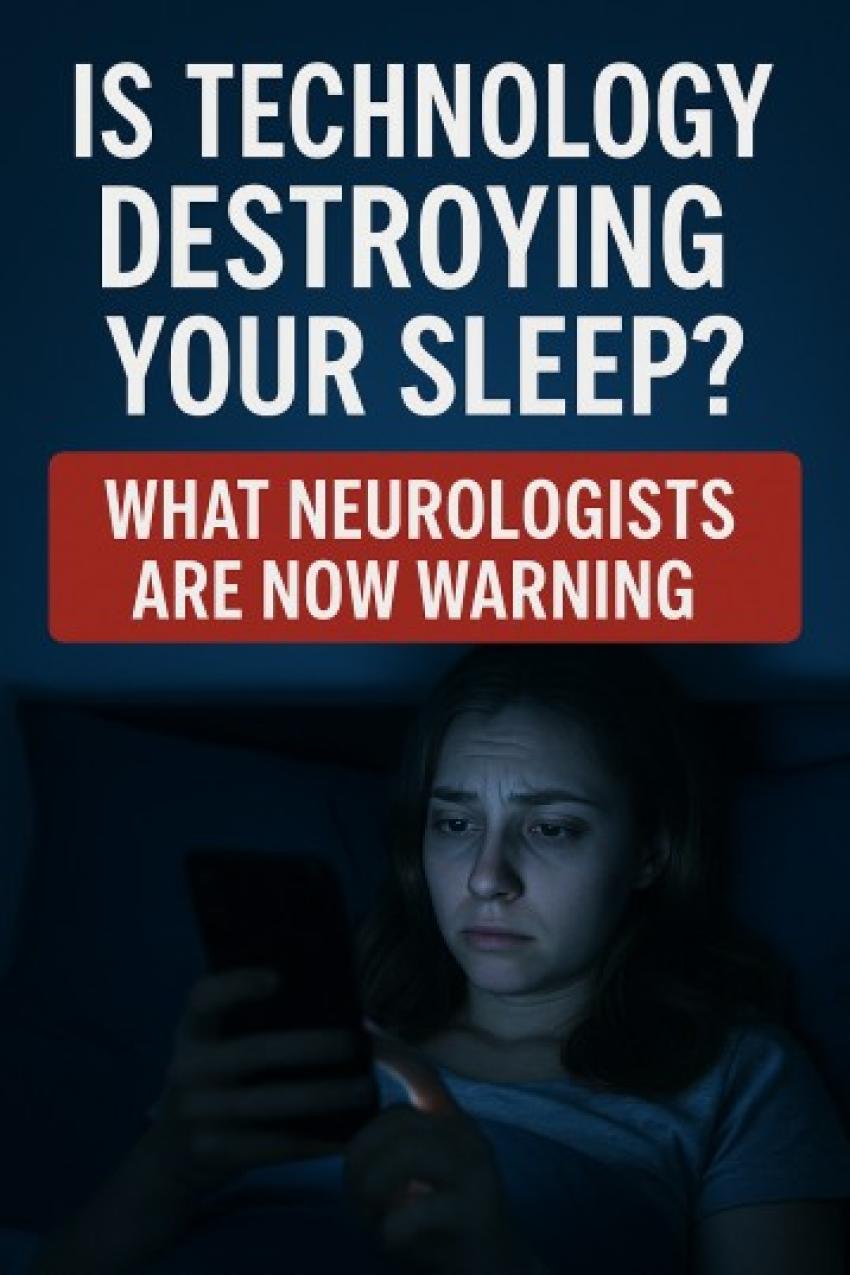
Screens are everywhere. Phones, tablets, TVs, and laptops are part of daily life. But neurologists say these devices might be ruining our sleep. And not just a little—some of the damage may be long-term.
Here’s what’s really going on.
The Brain and Sleep
Your brain needs quiet and darkness to fall asleep. Sleep is controlled by a body clock called the circadian rhythm. It works based on light and dark signals. In simple words, your brain sees light and says, “Stay awake.” When it’s dark, the brain says, “Time to sleep.”
But screen light—especially from phones and tablets—confuses this system. It tricks your brain into staying alert.
What Neurologists Are Seeing
Many neurologists in Delhi and around the world now treat patients for chronic insomnia, delayed sleep phase, and daytime fatigue. They’re noticing a pattern. Most of these patients use screens for hours, especially before bed.
Dr. Manvir Bhatia, a senior sleep specialist and neurologist, says people often scroll late into the night. This habit pushes their sleep time forward. The brain doesn’t shut down properly. Over time, this leads to sleep deprivation, memory issues, and concentration problems.
How Blue Light Affects You
The main problem is blue light. Screens emit blue light that blocks melatonin, the hormone that helps you sleep. Less melatonin means it takes longer to fall asleep, and your sleep may be light or broken.
Even children are affected. Pediatric neurologists say kids with screen time after 8 PM often have poor sleep patterns, nightmares, or wake up feeling tired.
Tech Use and Sleep Disorders
Some people who visit sleep clinics in Delhi complain of:
Waking up multiple times at night
Feeling tired even after 8 hours of sleep
Trouble falling asleep for hours
These are signs of sleep disorders that may need proper diagnosis. A sleep study test can help. In some cases, neurologists also check for restless legs, sleep apnea, or anxiety-related sleep problems.
What You Can Do
You don’t have to throw away your phone. But try small changes:
Stop using screens 1 hour before bed
Use “night mode” or blue light filters
Keep your phone out of the bedroom
Read a book or listen to soft music instead
Also, try to sleep and wake at the same time every day—even on weekends.
Final Thoughts
Technology isn’t going anywhere. But how we use it can change. Neurologists are clear: too much screen time, especially at night, can harm sleep quality and brain function.
If you often feel tired, or have sleep issues, consider visiting a sleep specialist near you. In cities like Delhi, neurologists now offer both online and in-person consultations for sleep problems. It is easier to correct the sooner you take action.