Introduction:
Training your team on safety rules isn’t just a box to check. It’s a must for keeping everyone safe at work. Many jobs today come with risks, and accidents can happen when people don’t know what to do. Whether you run a small business or manage a large team, your staff must understand basic safety steps.
Across the U.S., more companies are taking safety seriously. In busy areas like Occupational Safety and Health in Houston, it's even more important. Furthermore, workers in warehouses, offices, and even remote jobs need the right guidance to stay safe. So, how can you make safety training easy and effective? This blog will walk you through simple steps.
Start with Clear Goals for Safety Training
If you don’t know what to teach, how can your team learn? Always start with a clear goal.
Set goals like:
- Reduce workplace injuries
- Improve emergency response
- Help staff follow local safety rules
"When people know the goal, they understand the value."
This helps them take training seriously. Moreover, use checklists and posters around your workspace. This keeps safety goals in front of everyone.
You can also talk through real examples during team meetings. Break big goals into small tasks so everyone feels involved. Furthermore, visual reminders and short talks help your team stay focused and motivated every day.
Use Simple, Real-Life Examples
Training doesn’t have to be boring or complex. Moreover, the best way to teach safety is by using real situations. Instead of reading a long guide, show a short video. Use stories about what could go wrong and how to fix it. You can also include examples like health checks or DOT physical exams near me to explain how staying healthy ties into safety.
Why this works:
- Firstly, people remember stories
- Secondly, it helps connect rules to real life
- Thirdly, it keeps the team engaged
"Tell me and I forget. Show me, and I remember. Involve me and I learn."
And that’s how learning works. When staff can picture the problem, they learn faster.
Keep It Hands-On and Active
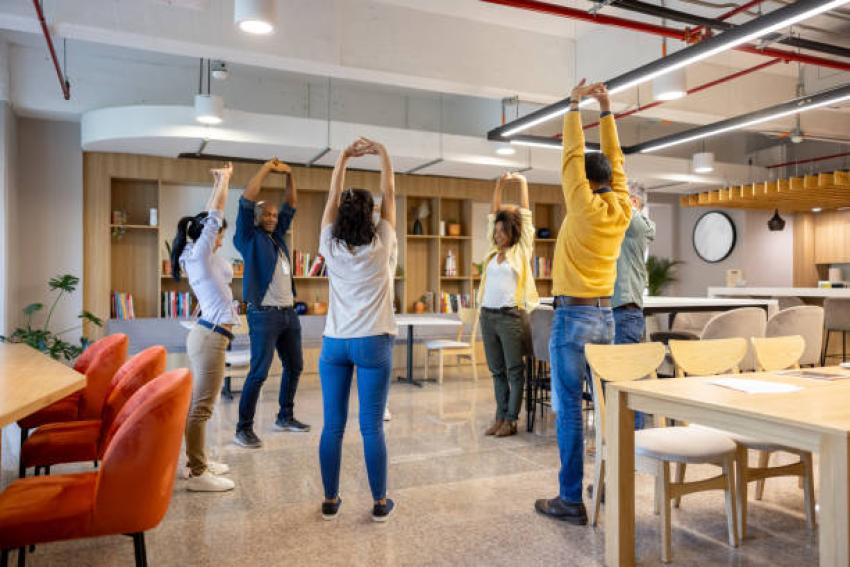
Nobody wants to sit for hours watching slides. Moreover, make the training hands-on. It helps people stay awake and alert.
Try these ideas:
- Practice fire drills
- Run safety role-plays
- Test first-aid kits with staff
These activities give your team a real sense of how to act in danger.
Plus, they help build confidence. When a problem happens, your team won’t freeze—they’ll act.
Furthermore, in workplaces like those under occupational safety and health Houston, this type of active training reduces real accidents.
Use Easy-to-Understand Language
Leave out hard words. Moreover, your staff is more likely to learn if the content is clear and short.
Here’s how:
- Break lessons into short topics
- Avoid long sentences
- Explain terms in plain English
"The simpler the message, the faster the learning."
This helps everyone understand, even if English isn’t their first language. It also builds trust. Furthermore, people don’t want to feel confused at work.
Train Often, Not Just Once
One-time training doesn’t work well. People forget. New risks show up. So, make safety training a regular thing.
Try this:
- Monthly refreshers
- Quarterly drills
- Annual workshops
Moreover, this keeps safety fresh in everyone’s mind. And it allows new employees to get up to speed fast.
"Safety is a habit, not a one-time lesson."
Also, document all your training sessions. It shows you care and keeps you covered in case of audits.
Get Feedback After Every Training
Once you’ve taught your staff, ask how it went. Did they understand it? What can you improve?
Also, use simple questions like:
- Was the training clear?
- What part was confusing?
- What can we do better?
Also, this helps your team feel involved. When they feel heard, they care more.
"Training gets better when people speak up."
In areas that follow occupational safety and health Houston rules, feedback can also help you update training to meet changing needs.
Cover Key Rules Like Drug Tests and Health Checks
Keeping people healthy is a key part of workplace safety. For some jobs, this includes regular checks through a drug testing service Houston to help prevent unsafe actions on the job.
Make sure your team knows:
• Why do these rules exist
• When they may be tested
• How to prepare
Moreover, this avoids surprises and keeps your staff in the know.
"Health checks are safety steps, not punishments."
Always explain the "why" behind rules, not just the "what." That builds trust and reduces fear.
Use Tech to Make Training Easy
We live in a digital world. So, bring tech into your training.
Try these tools:
- Online safety quizzes
- Apps with safety tips
- Video demos on mobile
Furthermore, you don’t need fancy tools. Even a shared Google Doc or simple slideshow works.
"Training should meet people where they are—online and mobile."
In busy cities like Houston, remote work and flexible schedules are common. Tech lets everyone learn at their own pace. That makes training more effective for everyone.
Train Smart. Stay Safe.
Your team’s safety and well-being should never be left to chance. Moreover, at Vine Therapy, we believe that clear training and consistent support create stronger, more confident teams. Don’t wait for an accident to take action—start building a safer workplace today. Whether you're just getting started or looking to improve, now is the perfect time to begin. Give your staff the tools they need to stay protected every day. Furthermore, reach out and let’s make your workplace safer, one step at a time.