When a child has trouble sleeping night after night, it’s not just about being tired. Poor sleep can affect their mood, memory, growth, and even school performance. If your child snores loudly, wakes up often, or seems tired during the day, your doctor might suggest a sleep study. It sounds serious, but it’s a simple way to understand what’s really going on.
What is a Sleep Study for Kids?
A sleep study, also called a polysomnography, is a test that checks how your child sleeps. It looks at things like breathing, brain waves, heart rate, oxygen levels, and body movement during sleep. The goal is to find out if there’s a medical reason behind their sleep problems.
It’s usually done at night in a sleep lab. Some centers also offer home sleep studies, but for children, lab-based studies give more detailed results.
Why Do Kids Need a Sleep Study?
Many sleep problems in children aren’t obvious. They might not complain, but you might notice signs like:
Snoring loudly
Restless sleep
Frequent waking
Daytime sleepiness
Bedwetting
Night terrors
Trouble focusing in school
These can be signs of pediatric sleep apnea, insomnia, restless legs syndrome, or other disorders. A sleep study helps figure out if your child has one of these issues.
How to Prepare Your Child
First, talk to your child about what’s going to happen. Keep it simple. You can say something like, “You’ll sleep in a room like a hotel, and some soft wires will check how you sleep. I’ll be with you the whole time.”
You may be asked to pack:
Pajamas
Toothbrush and bedtime items
A favorite toy or blanket
Snacks, if allowed
Any medications
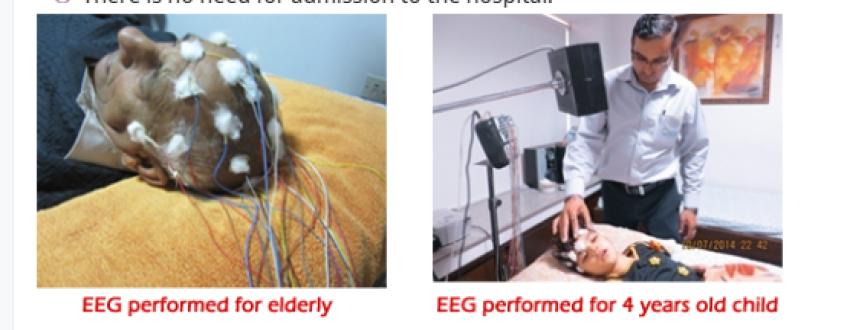
The staff will place small sensors on your child’s scalp, face, chest, and legs. It doesn’t hurt. Most children get used to it within a few minutes. And yes, you’ll usually be allowed to stay in the room.
What Does the Sleep Study Check?
The sleep technician will monitor your child through the night. The sensors collect data on:
Brain activity (to see sleep stages)
Breathing patterns (to detect apnea)
Oxygen levels
Heart rate
Eye and muscle movement
This helps diagnose conditions like:
Obstructive sleep apnea in children
Central sleep apnea
Nighttime seizures
Unusual sleep behaviors (parasomnias)
Leg movement disorders
Some sleep centers also check for nocturnal epilepsy, insomnia, or delayed sleep phase disorder, especially in older kids.
After the Study: What Happens Next?
Once the study is over, the data is reviewed by a sleep specialist. You’ll usually get results within a few days to a week. The doctor will explain what was found and what the next steps are.
If a condition like sleep apnea is diagnosed, treatment may include:
Tonsil or adenoid removal
CPAP therapy (for severe cases)
Weight management (if obesity is a factor)
Better bedtime habits
Behavioral therapy for anxiety or insomnia
Does It Really Help?
Yes. Many parents feel relief after the test. It gives clear answers. Sometimes the problem is more serious than expected, and early treatment prevents bigger issues. Other times, it turns out to be something minor that’s easy to fix. Either way, you’ll stop guessing.
Final Thoughts
Sleep is not a luxury—it’s a need. For children, it’s part of healthy growth and development. If your child has long-term sleep issues, don’t ignore them. A sleep study is a safe and useful way to get answers. It’s not scary. It’s just one night that could change your child’s health for the better.
If you’ve been wondering whether your child’s sleep habits are normal, this test might be the start of getting the help they need.