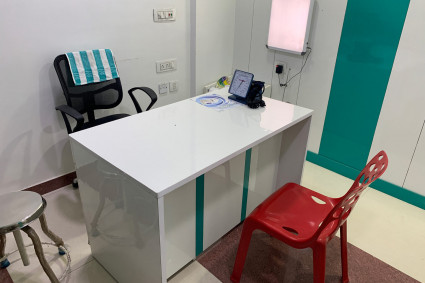
He walked into the sleep clinic looking sure of himself. Said he only came because his wife asked him to. “I don’t snore,” he said. “She just hears things.” But that night, the test told a different story.
The problem wasn’t loud. It was silent.
Many people think sleep apnea is about loud snoring. But that’s not always true. Some don’t even snore. Or they snore quietly and still stop breathing at night. That’s why it often goes undiagnosed.
This man didn’t feel tired in the usual way. But he woke up with dry mouth. He had headaches in the morning. He sometimes felt foggy during the day. Thought it was stress or age. But these are signs of obstructive sleep apnea—and he didn’t know it.
What happens in a sleep study?
He agreed to do a sleep study. It was simple. Just one night at the clinic. Wires tracked his breathing, oxygen, heart rate, and brain waves. Nothing painful. No hospital stay. Just sleep. The results were ready the next morning.
It turned out he stopped breathing over 20 times an hour. Each time lasted a few seconds. His oxygen dropped too. That’s moderate sleep apnea. He never noticed it. But it was taking a toll on his body.
Sleep apnea doesn’t always wake you up
Most people with sleep apnea don’t remember waking up. The brain wakes just enough to restart breathing, then slips back into sleep. This keeps happening all night. It stops you from reaching deep, restful sleep.
You might sleep 8 hours and still feel tired. That’s because your body is fighting to breathe all night.
He was surprised
“I didn’t believe it at first,” he said. “I thought sleep apnea was for people who snore like a bear. That’s not me.”
But the numbers were clear. And once he saw the chart, it made sense. His symptoms—daytime sleepiness, memory lapses, mood swings—weren’t just from work stress. They were from sleep interruption.
Sleep apnea affects your health
Untreated sleep apnea raises the risk of:
High blood pressure
Heart disease
Stroke
Type 2 diabetes
Depression
It also increases risk of car accidents due to drowsiness. That’s serious. And common. Many people with sleep disorders don’t even know they have one.
He started CPAP therapy
The doctor suggested a CPAP machine. It’s a small device that gently pushes air into the airway through a mask. It keeps the throat open during sleep.
He wasn’t excited about wearing a mask. But after a week, he said, “I forgot what real sleep felt like. I wake up now and feel normal.”
That’s what a sleep apnea test can do. It shows you what’s happening while you sleep. And when you treat it, everything changes.
You don’t have to snore to have sleep apnea
This is key. Sleep apnea in India often goes untreated because people don’t recognize the signs. And doctors might not ask the right questions unless you mention snoring. But you can have sleep apnea without loud snoring.
You may have:
Dry mouth in the morning
Headaches
Feeling tired during the day
Trouble concentrating
Mood changes
Gasping or choking during sleep (your partner may notice)
These are all signs. If you have them, get tested.
Final thought
He didn’t think he had a problem. He said he didn’t snore. But his sleep study in Delhi told the truth. And now, he sleeps better, thinks clearer, and feels more like himself again.
If you feel tired no matter how much you sleep, don’t guess. A sleep test can show what’s really going on. The truth might surprise you.