A 42-year-old man named Rakesh had been tired for as long as he could remember. He went to different doctors. He got blood tests, thyroid checks, ECGs, even MRIs. Every time, the reports came back normal. Still, he woke up exhausted. He couldn't focus at work. He had headaches, dry mouth, and sometimes even chest discomfort in the mornings. No one could tell him why.
Then, someone mentioned a sleep study.
At first, he didn’t think it mattered. He wasn’t overweight. He didn’t snore loudly. He didn’t think he had sleep apnea. But after one night at a sleep clinic in Delhi, everything changed.
What the Sleep Study Showed
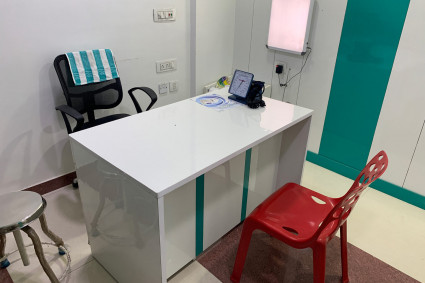
Rakesh went in for a simple overnight test called a polysomnography. The setup was easy. The technicians placed some sensors on his scalp, chest, and legs. A small tube was placed near his nose to track airflow. The room was quiet. He slept.
The next day, the results showed severe obstructive sleep apnea. He had over 35 breathing pauses per hour. That means he stopped breathing almost every 2 minutes during sleep.
This was why he always woke up tired. His brain never got enough oxygen at night. The stress on his body was constant. His blood pressure was high in the mornings because his body had to keep “waking up” to breathe.
No blood test could have shown that. No MRI could have seen that either. Only a sleep apnea test could catch what was really happening.
Why Years of Tests Missed It
Sleep apnea is tricky. It happens when you’re asleep. So if you only check someone when they’re awake, you can miss everything.
People go years without knowing they have it. They just say they feel tired. Or they think it’s depression. Or maybe it's just stress. And they live like that for decades.
That’s what happened with Rakesh.
How Sleep Apnea Affects You
Sleep apnea is more than snoring. It can affect anyone—men, women, thin people, older adults, even kids. It causes:
Daytime fatigue
Memory problems
Mood changes
High blood pressure
Increased risk of heart attack and stroke
Poor focus and reaction time
In Rakesh’s case, it was also affecting his driving and work performance. He had almost fallen asleep at a red light once. That’s when he realized this wasn’t just tiredness.
What Happened After the Diagnosis
Once diagnosed, Rakesh started using a CPAP machine—a small device that helps keep the airway open during sleep. It uses gentle air pressure through a mask.
The first night wasn’t easy. The mask felt weird. But by the third night, he slept through the night for the first time in years. After two weeks, he stopped waking up with a headache. His focus got better. His energy returned.
Why One Night Matters
A sleep test can show things that years of tests cannot. It’s painless. It takes one night. And it can give answers that change your life.
People often search for a sleep apnea doctor near me or wonder if they need a sleep disorder specialist. But many still don’t realize how common this problem is in India. And how underdiagnosed it is.
In cities like Delhi, clinics now offer home sleep apnea tests too. You don’t always need to go to a hospital. That’s made it easier for people like Rakesh to get answers.
Final Thought
If you’ve been tired for no clear reason, don’t ignore it. You don’t have to be a loud snorer to have sleep apnea. You don’t need to be overweight. If basic tests are normal, but you still feel drained, consider getting a sleep study.
It could be the one test that finally gives you answers. Just like it did for Rakesh.