Ravi was 35. He worked long hours, stayed busy, and thought his sleep issues were from stress. He would lie awake for hours, toss and turn, then wake up exhausted. He called it insomnia. It felt like a simple problem with no simple fix.
He tried the usual things—no screens before bed, no coffee after 5 PM, calming music, even sleep apps. Nothing worked. Some nights he’d fall asleep quickly, but still wake up feeling like he hadn’t slept at all.
His wife noticed something he hadn’t. He snored. Loudly. And sometimes, he would stop breathing for a few seconds. She said it scared her. That’s when Ravi decided to see a sleep doctor.
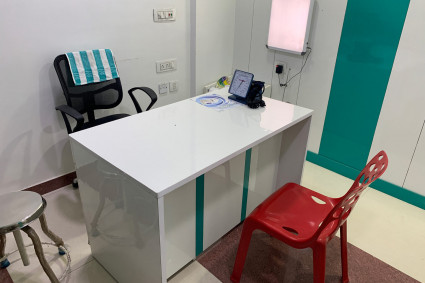
The doctor didn’t jump to conclusions. He asked questions, listened carefully, and suggested a sleep study. It sounded strange to Ravi. Sleeping in a clinic, hooked up to wires? But he agreed. He was tired of being tired.
The night of the sleep study, Ravi slept worse than usual. The bed was unfamiliar. But the machines didn’t need him to sleep perfectly—they just needed to record what was happening.
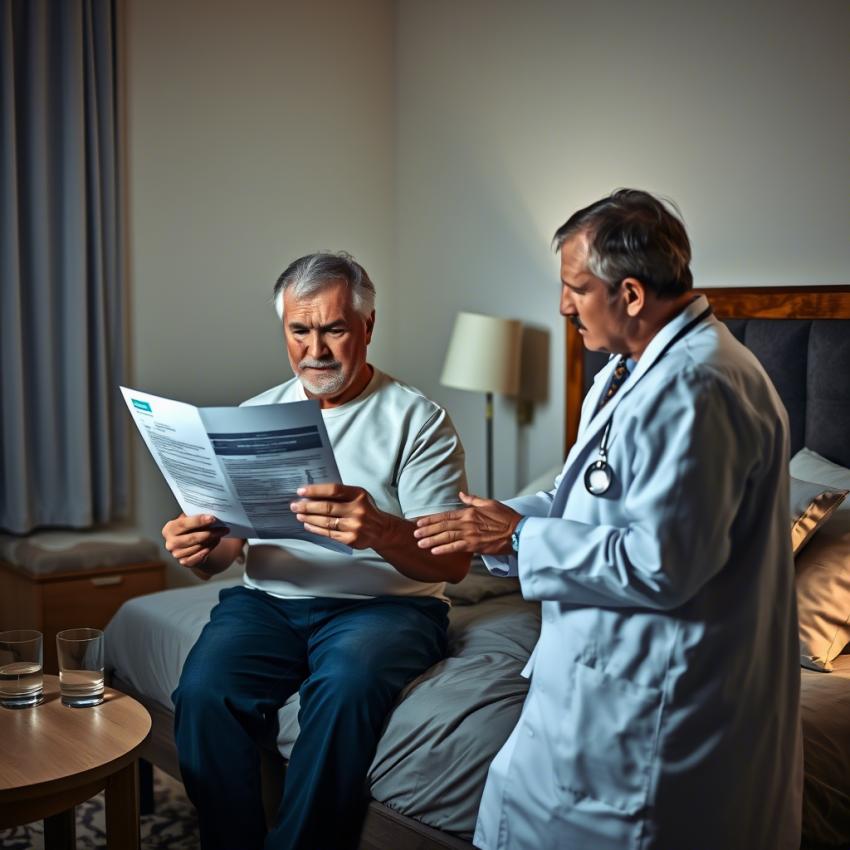
The next day, the doctor gave him the results.
It wasn’t just insomnia. It was obstructive sleep apnea. A condition where your airway gets blocked during sleep, causing your breathing to stop and restart many times. Each time it happened, Ravi’s brain would wake up—just enough to breathe again—but not enough for him to notice. His body was fighting for air all night.
No wonder he woke up exhausted.
Sleep apnea is serious. It can lead to high blood pressure, heart problems, and memory issues. It also affects mood and energy. The scary part? Many people have it and don’t know.
Ravi felt confused. He always thought sleep apnea meant you had to be overweight or very old. But he was average weight. He didn’t feel like someone who had a “serious” condition.
The doctor explained that sleep apnea doesn’t always look the same. Thin people can have it too. Stress can make it worse. So can sleeping on your back, or having a small airway.
Ravi started using a CPAP machine. It pushes air into the throat to keep the airway open. The first week was hard. The mask felt weird. But then something changed. He woke up with more energy. He could think more clearly. His mood improved.
He realized he hadn’t had insomnia at all.
He had untreated sleep apnea.
And the worst part? If he hadn’t gone to that sleep clinic, he might’ve never found out.
So if you snore, wake up tired, or feel like something’s wrong with your sleep—don’t guess. Get tested. It might not be “just stress.” It might be something much worse. But the good news is, once you know, you can treat it.