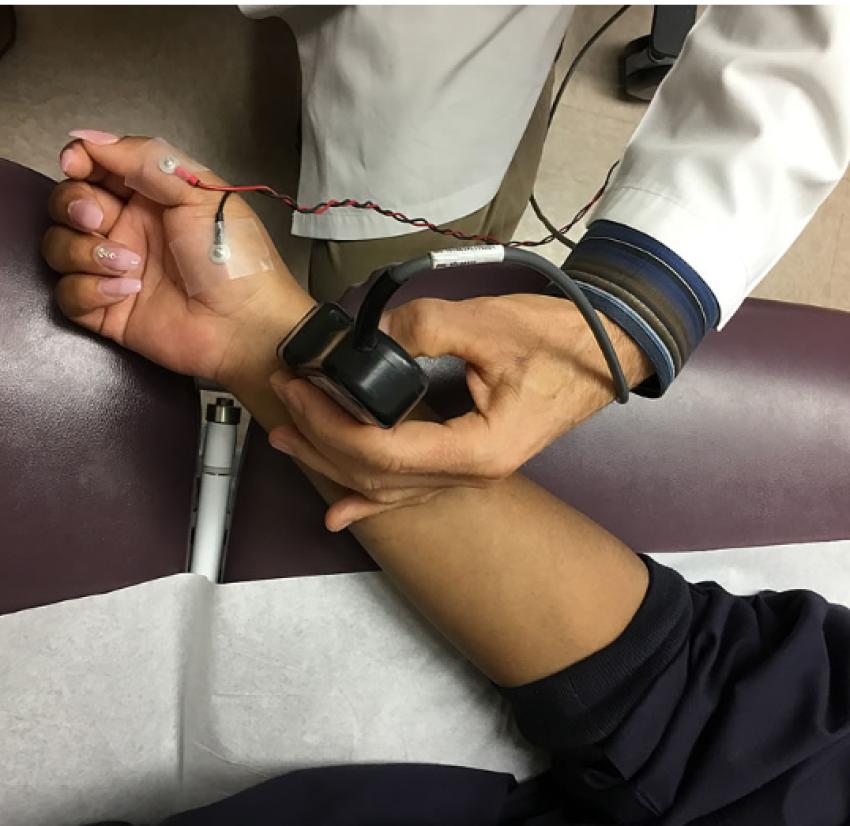
An NCV test checks how well your nerves carry signals. If the nerves are damaged or not working properly, it can slow down those signals. That’s when problems like numbness, weakness, or strange sensations start to show up. This test helps doctors figure out what’s going wrong with the nerves in your body.
You don’t need this test unless you're having certain symptoms. It’s not something people take just to "see what's going on." It's used when there's a clear reason.
When do doctors recommend it?
If you're dealing with any of these problems, you might need an NCV test:
1. Numbness or Tingling in Hands or Feet
It often starts slowly. You may feel pins and needles in your fingers or toes. Sometimes it gets worse at night. You may drop things or have trouble buttoning clothes. These are signs your sensory nerves could be affected.
2. Muscle Weakness or Loss of Strength
If you're finding it harder to lift things or feel like your grip is getting weaker, that could be a sign of motor nerve issues. People often notice it while doing daily things—like turning a doorknob or opening a jar.
3. Sharp or Burning Pain
Some people feel sudden zaps or burning pain that seems to come from nowhere. This pain often moves along a nerve path—like from your neck into your arm, or from your back into your leg. This could mean there's nerve inflammation or compression.
4. Nerve Compression Issues
Conditions like carpal tunnel or a slipped disc in the spine can press on nerves. If you're waking up with numb hands or shooting pain in your leg, an NCV test can help confirm what's going on.
5. Ongoing Symptoms After an Injury
If you've had a fall or surgery and your limbs feel strange afterward—like constant tingling or weakness—there might be nerve trauma. This test can detect that, even if it happened months ago.
6. Diabetes-Related Nerve Problems
Many people with diabetes develop nerve damage over time. It usually starts in the feet. You may not feel pain, heat, or cold like before. That loss of sensation can be dangerous. Early testing helps prevent complications.
Why It Matters
This isn’t a random test. It’s a diagnostic tool. If you’ve had symptoms for more than a few weeks, or they’re getting worse, a neurologist might suggest it. It helps diagnose things like peripheral neuropathy, radiculopathy, or even autoimmune nerve problems.
Some people avoid testing because they’re scared it might hurt. But the NCV test is safe. Most people feel only a mild, quick pulse—like a static shock. It’s over quickly and gives a lot of useful info.
Conclusion
If your nerves aren’t working right, your body will tell you. Whether it’s numbness, pain, weakness, or strange sensations—those are signs to get checked. An NCV test helps find out what’s going on, so the right treatment can begin.