Snoring can be annoying. Sleep apnea can be dangerous. Many people deal with both. One common solution doctors recommend is a CPAP machine. But does it actually work?
What is a CPAP Machine?
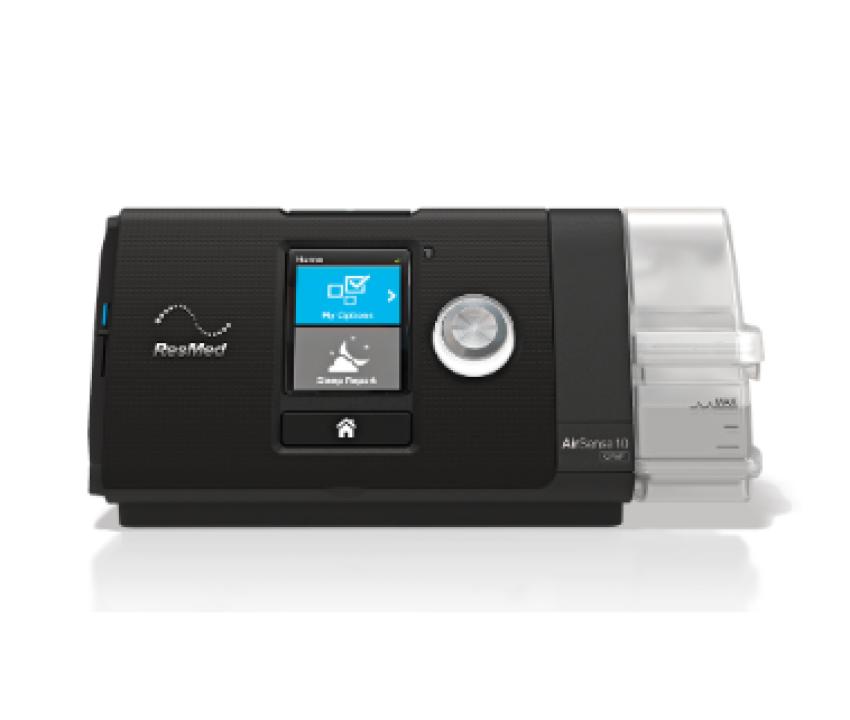
CPAP stands for Continuous Positive Airway Pressure. It's a machine that keeps your airway open while you sleep. It does this by pushing air through a mask. That pressure stops your throat from collapsing, which is what causes sleep apnea.
How Does it Help with Sleep Apnea?
Sleep apnea means your breathing stops and starts many times at night. That’s because the airway gets blocked. CPAP helps by keeping that airway open all night. You breathe better. You get more oxygen. You wake up less. Your sleep improves.
It doesn’t cure sleep apnea. But it controls it. Many people feel more rested after using a CPAP machine for a few nights.
What About Snoring?
Most people with sleep apnea also snore. The snoring comes from air trying to pass through a blocked airway. Since CPAP keeps the airway open, it usually stops the snoring too.
But if someone snores and doesn’t have sleep apnea, CPAP may not help much. It’s mainly meant for people who stop breathing while they sleep.
What Does it Feel Like to Use One?
Some people find it hard at first. The mask can feel strange. The air pressure might seem too strong. But most users get used to it. There are different types of masks and pressure settings. A sleep doctor can adjust them to make it more comfortable.
It’s not silent. The machine makes a soft sound. But many people say the noise is low and easy to ignore.
Who Should Use a CPAP Machine?
A doctor usually recommends it after a sleep study. If you have moderate to severe sleep apnea, CPAP is often the first choice. It can help people who:
wake up tired
feel sleepy during the day
snore loudly
stop breathing at night (as others may notice)
It’s not for everyone. But for many, it makes a big difference.
Are There Any Downsides?
Yes. Some users get dry mouth or a stuffy nose. Others feel claustrophobic with the mask. But most of these problems can be fixed. You can use a humidifier. You can try a smaller mask. You can take breaks to adjust.
The biggest downside is sticking with it. You have to use it every night. If you stop, the problems come back.
Final Thoughts
CPAP doesn’t cure sleep apnea. But it helps manage it. If you snore and have sleep apnea, it can improve your sleep, your focus, and even your heart health.
If you think you have sleep apnea, don’t guess. Get tested. If your doctor suggests CPAP, give it a try. It might take time to adjust. But for many people, it works.
Want help picking the right CPAP machine? Ask your doctor or a sleep clinic.