Losing your sense of smell might not seem like a big deal. Many people think it's just a blocked nose or a side effect of a cold. But when it sticks around, it could mean something more serious. In some cases, it can be an early sign of a brain disorder.
Smell and the Brain Are Connected
The sense of smell is closely linked to the brain. The nerves that help you smell things send signals straight to parts of the brain that control memory and emotion. This includes areas like the olfactory bulb and the limbic system. These same areas are often the first to change in brain disorders like Parkinson’s disease or Alzheimer’s disease.
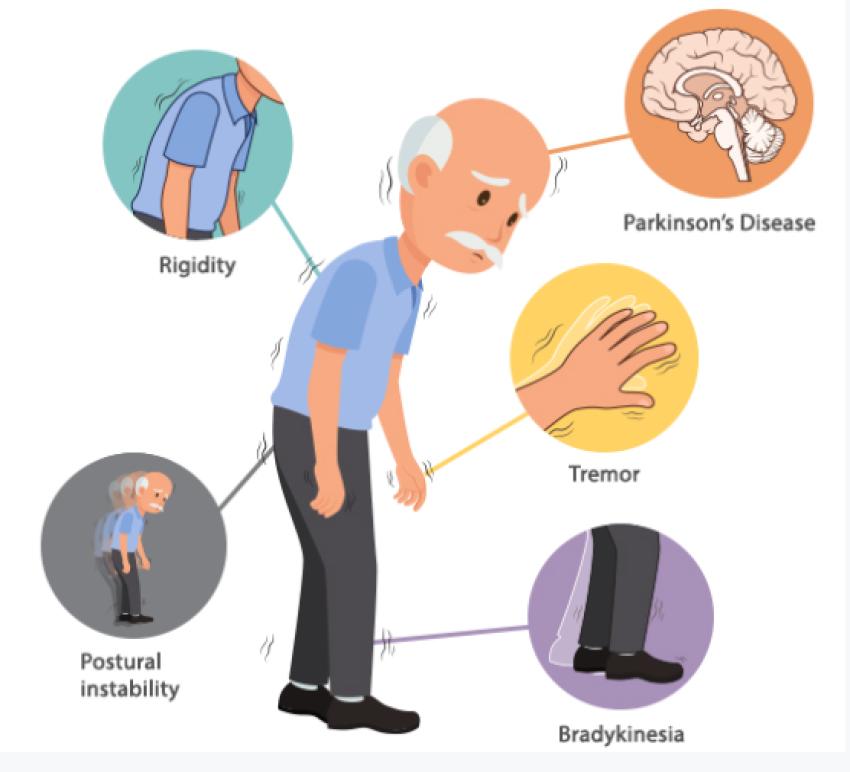
When these brain areas start to weaken or shrink, smell is usually one of the first things to go. You may not notice it right away. But studies show that many people with Parkinson’s lost their sense of smell years before they had any motor symptoms like shaking or stiffness.
Why It Happens
In conditions like Parkinson’s, cells that make dopamine begin to die. Dopamine is a chemical that helps control movement, mood, and alertness. It also plays a role in smell. When dopamine levels drop, your sense of smell can fade.
In Alzheimer’s, toxic proteins build up in the brain. These proteins often collect in the areas that handle smell before they spread to other parts. That’s why a drop in smell can be one of the earliest warning signs.
This kind of smell loss is not caused by a stuffy nose. It’s deeper, coming from changes inside the brain.
What Studies Say
Researchers have found that smell tests may help detect brain disorders early. People who can’t identify common smells like coffee, lemon, or soap may be more likely to develop neurological problems later. These tests are cheap and simple. They don’t require machines or scans.
One study showed that people with poor smell scores were more likely to develop Parkinson’s within 4–5 years. Another study found that smell loss can show up in people with Alzheimer’s 10 years before memory loss begins.
These signs don’t confirm anything by themselves. But they can help doctors decide who should be watched more closely.
Should You Worry If You Lose Your Sense of Smell?
Not always. Smell loss can also happen due to aging, sinus infections, allergies, or viruses like COVID-19. But if your sense of smell fades without a clear reason, and it doesn’t come back, it’s a good idea to talk to a doctor.
If you're also feeling more forgetful, having mood changes, or noticing changes in movement, it could be part of a larger problem. In that case, your doctor might suggest tests for dopamine levels, brain scans, or other exams.
How to Protect Brain Health
There’s no simple fix. But you can lower your risk with a few steps:
Get enough sleep
Eat a healthy diet
Exercise regularly
Stay mentally active
Avoid smoking
Manage blood pressure and sugar levels
These habits support dopamine function and reduce inflammation, which can protect your brain in the long run.
Final Thoughts
Losing your sense of smell isn’t always just a nose problem. In some cases, it’s one of the first clues that something may be changing in your brain. If it lasts more than a few weeks and doesn’t improve, don’t ignore it.
Smell loss, especially when combined with memory or movement issues, could be your brain’s quiet warning. It’s better to catch these signs early than wait for bigger problems to appear.
If you're concerned about changes in your sense of smell, or if you're experiencing other symptoms like memory issues or changes in movement, consider speaking to a specialist. Early diagnosis can make a significant difference in managing conditions like Parkinson’s or Alzheimer’s. You can explore local resources and neurologists who can help you with early detection and personalized care.
4o mini
You have not enough Humanizer words left. Upgrade your Surfer plan.