We might have heard numerous quotes about water being essential for good physical and mental health: No water, no life, and many more. Right? All such quotes are true and implemented in our individual lives as long as we consume clean and contaminant-free water. And, when it comes to accessing clean and safe water, we people use different filters for water purification, knowing they will truly remove all the impurities. But are we still confident that every glass of water is completely pure and free from harmful contaminants? The answer might be NO. While various purification methods exist, one technology that stands out for its effectiveness in eliminating harmful microorganisms is the Ultraviolet water sterilizer system. This system offers a chemical-free way of purifying water, retaining its natural taste and quality, making it a reliable choice for many. In this article, we'll explore some compelling reasons for choosing a UV water sterilizer system, highlighting its significance and giving tips for choosing the right one. So, are you ready to learn? Then, let's get started!
Before we jump onto the reasons, let's first understand what UV sterilizers are and how they work.
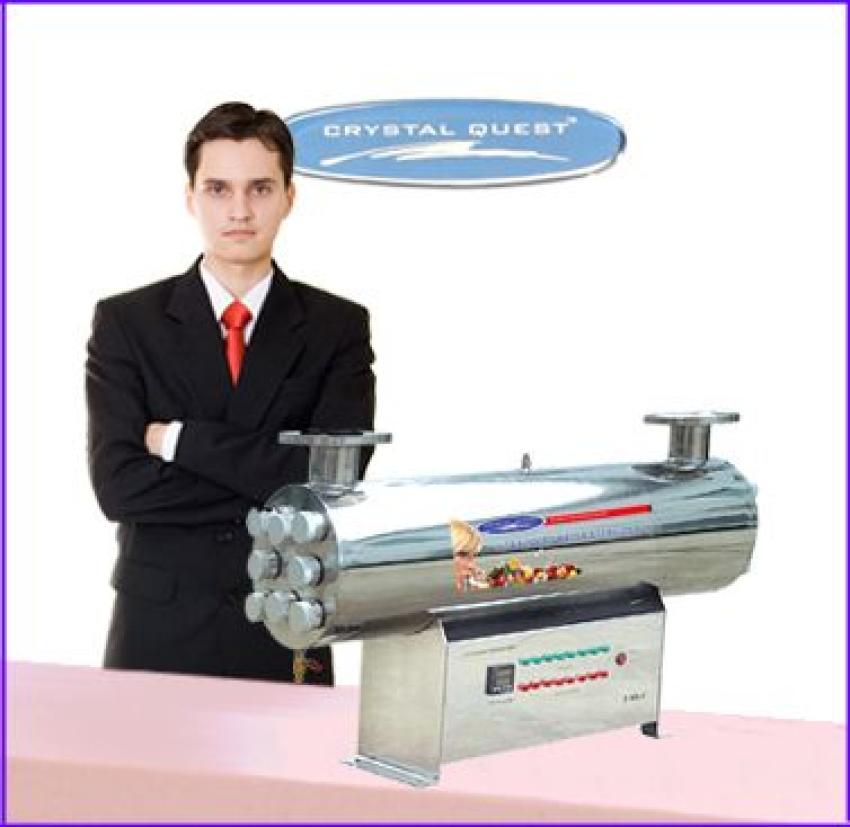
An ultraviolet water sterilization system uses ultraviolet light to disinfect water. It kills 99.99% of microorganisms, such as bacteria, viruses, and protozoa. The system exposes the microorganisms to the wavelength of ultraviolet light, disrupting their DNA and making them unable to reproduce and be active again. The water is passed through an ultraviolet lamp chamber, penetrating the cells and damaging their genetic material. The entire water sterilization process doesn't incorporate the use of any chemicals or by-products, which is the best point about the UV sterilization system.
Now, let's understand some most compelling reasons:
Effectively Kill Microorganisms
UV sterilizers effectively kill 99.99% of microorganisms and other impurities by exposing them to ultraviolet light, specifically in the UPC spectrum. This means eliminating the existing microorganism and preventing its further reproduction. By incorporating sterilization technology, individuals can ensure that they have access to safe and pure water every time they want to drink.
No Usage of Chemicals
Various filters use chemicals like chlorine and chloramine to disinfect water. While such chemicals are effective in purification, they can make the human body prone to various health concerns, like skin and eye irritation and respiratory issues for asthma patients. UV sterilizers offer an alternate and more effective solution by excluding the use of such chemicals, making sterilization a complete chemical-free process.
No Changes to the Natural Taste
Sterilization technology doesn't impact water's natural taste as its purpose is to kill bacteria and other microorganisms. It doesn't alter the water's natural flavour profile, which is a benefit for people who want to maintain the quality of their drinking water.
Require Easy Maintenance
UV sterilization systems are easy to maintain. The UV lamp only needs to be replaced periodically, generally once a year. The quartz sleeve must also be cleaned to ensure the optimal transmission of the UV light. This makes UV sterilizers a low-maintenance option compared to other filters.
Reduce Bottle Water Usage
You don't need bottled water when safely drinking tap water disinfected with ultraviolet light. UV sterilization systems contribute to good environmental health and encourage eco-consciousness by reducing the need to purchase bottled water or single-use plastic bottles.
Compact Designs
Because of their compact design, some UV sterilization systems easily fit into the filtration application. Depending on the application, they can be easily installed vertically or horizontally without taking up much space.
Environment Friendly
Chemical-free use and reducing plastic bottles make sterilizers environmentally friendly and reliable for those who want a more ecological way of disinfecting water.
We've covered why UV water sterilizer systems treat impure water, making it entirely safe and hygienic for everyone.
Flow Rate: Select a UV sterilizer that can handle your water supply's flow rate. (Flow rate is the amount of water that passes through a chamber in a specific time.)
Water Quality: Factors like hardness and turbidity can affect the effectiveness of UV sterilizers, so it's recommended to analyze the water quality and choose the system accordingly.
Compatibility: Consider a sterilizer with a compact design so it can easily fit into the purification application.
Ultraviolet Light: Ensure the system provides an appropriate UV light to kill the microorganisms present in the water.
Installation and Maintenance: Give preference to a system that can be easy to install and require less maintenance, saving you additional time and money.
Reliable Brands: It's always recommended to choose a UV water sterilizer system from a reliable brand or retailer, ensuring its authenticity and effectiveness in removing bacteria. It's also suggested to read customer reviews and ratings to make an informed purchasing decision.
By remembering these above tips, you can choose the right sterilizer for your home's purification needs.
To Summarize
Ultimately, UV sterilizers are the most innovative systems designed to kill the presence of impurities. Their ability to disinfect water without using chemicals makes them a most wanted product when it comes to purifying water. From effectively eliminating 99.99% microorganisms to retaining water's natural flavour profile, being environment friendly and more, the reasons to choose them are impactful. However, when choosing a sterilizer for your home, you need to keep in mind some crucial tips to make the right purchase for years to come. As technology continues to evolve, we can see many more advancements in the uv sterilization technology.