When considering tooth replacement options, one of the most common solutions people explore is dental implants. This modern dental technology has revolutionized how missing teeth are restored, offering a long-term and effective solution. But the question remains—are dental implants good or bad? While many people praise the benefits of this treatment, others may have concerns about cost, procedure complexity, or long-term results. If you're considering Dental Implants in Dubai, it’s essential to weigh the advantages and potential drawbacks to make an informed decision.
What Are Dental Implants?
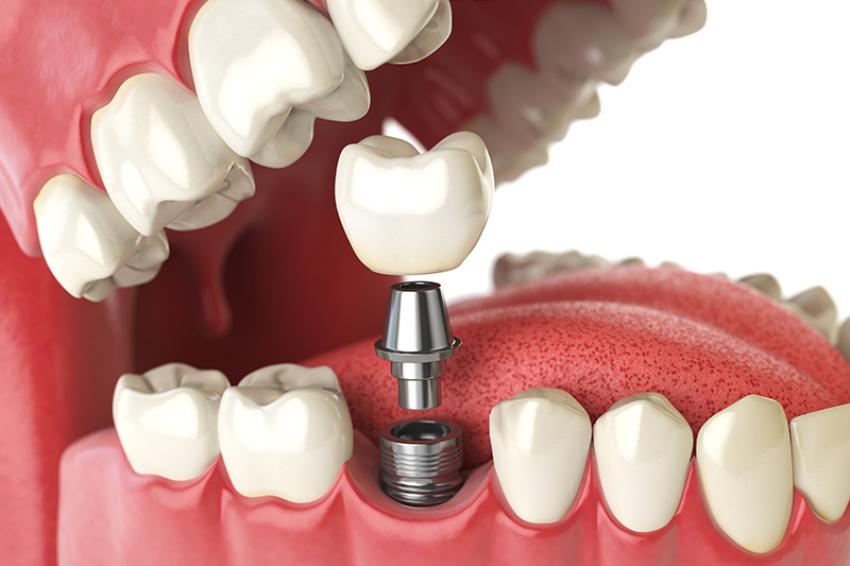
Dental implants are artificial tooth roots made from titanium or zirconia, surgically placed into the jawbone to support crowns, bridges, or dentures. They function as a strong and durable foundation for artificial teeth, closely mimicking natural teeth in both appearance and function. The procedure is performed by experienced dental professionals and involves multiple stages, including assessment, implant placement, healing, and final restoration.
Advantages of Dental Implants
1. Natural Look and Feel
One of the biggest advantages of dental implants is their ability to replicate the look, feel, and function of natural teeth. Unlike removable dentures, implants are fixed in place, providing a seamless and comfortable experience.
2. Durability and Longevity
Dental implants are designed to last for decades, making them one of the most durable tooth replacement options. With proper care, they can last a lifetime, unlike bridges and dentures that may need replacement every few years.
3. Improved Oral Health
Unlike traditional bridges that require the alteration of adjacent teeth, dental implants do not affect surrounding teeth. They help maintain jawbone integrity and prevent bone loss, which commonly occurs after tooth loss.
4. Enhanced Chewing Ability
With dental implants, you can enjoy your favorite foods without restrictions. They provide superior biting force compared to dentures, allowing you to eat tough or crunchy foods without discomfort.
5. Prevention of Bone Loss
When a tooth is lost, the jawbone in that area begins to deteriorate due to lack of stimulation. Implants stimulate the bone, preventing bone loss and maintaining facial structure.
6. Boosted Confidence and Speech Clarity
Missing teeth or ill-fitting dentures can impact speech clarity and confidence. Dental implants restore your smile and improve speech, helping you feel more self-assured in social and professional settings.
Potential Drawbacks of Dental Implants
1. Higher Initial Cost
Compared to other tooth replacement options, dental implants have a higher upfront cost. However, they offer long-term value by eliminating the need for frequent replacements and maintenance.
2. Surgical Procedure Requirement
Dental implants require a minor surgical procedure, which may not be suitable for everyone, especially those with underlying health conditions affecting healing.
3. Healing Time
The implant process involves multiple stages, and full recovery can take several months. Patience is required to achieve the best results.
4. Potential Need for Bone Grafting
In cases where jawbone density is insufficient, bone grafting may be necessary before implant placement. This adds to the overall treatment time and cost.
FAQs
1. Are dental implants painful?
The procedure is performed under anesthesia, ensuring minimal discomfort. Post-surgery, mild discomfort can be managed with pain relievers.
2. How long do dental implants last?
With proper care, dental implants can last a lifetime. Regular dental check-ups and good oral hygiene are essential for longevity.
3. Can anyone get dental implants?
Most healthy individuals with sufficient jawbone density can receive implants. However, smokers, diabetics, and those with certain medical conditions may require additional evaluation.
4. How do I care for dental implants?
Daily brushing, flossing, and regular dental visits are crucial for maintaining implants. Unlike dentures, implants do not require special cleaning solutions.
5. Are dental implants better than dentures?
Implants offer a more stable, comfortable, and long-term solution compared to dentures. However, the best choice depends on individual needs and budget.
Conclusion
Dental implants are widely regarded as one of the best solutions for missing teeth, offering durability, functionality, and aesthetic appeal. While they may require a higher initial investment and a surgical procedure, their long-term benefits far outweigh the drawbacks. If you are considering dental implants, consult a qualified dental specialist to determine if you are a suitable candidate. With advancements in dental technology, dental implants in Dubai have become more accessible, helping patients restore their smiles with confidence and reliability.