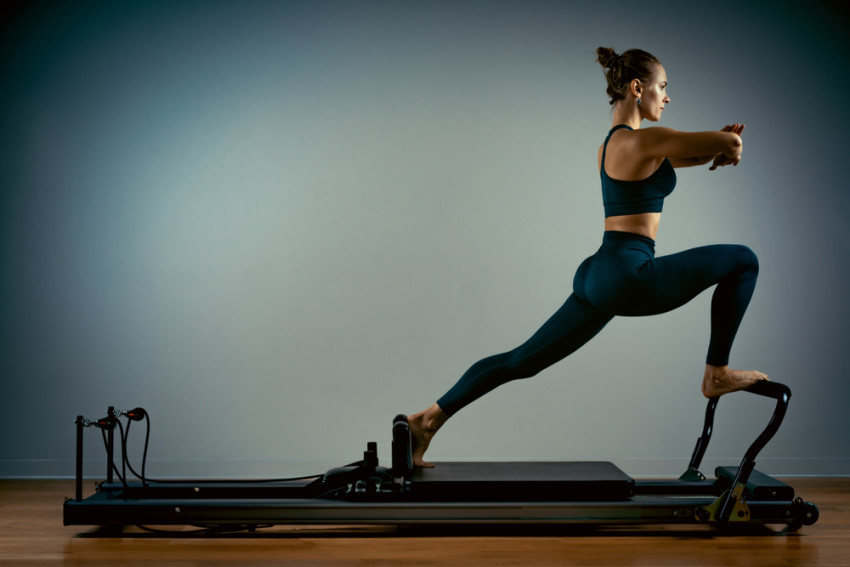
If you have a passion for Pilates and feel to follow that passion as a career, seek out a Pilates trainer course. As there are so many outs there, it can be very overwhelming to choose the best one for you. This guide will give you the key factors to look for in a course as you look to start your journey as a certified Pilates instructor.
9 Things to Look for When Choosing a Pilates Trainer Course
1. Accreditation and Certification
A recognized and respected organization will make sure that the training you get is up to par with the industry. You can look into programs accredited by credible agencies like the Pilates Method Alliance (PMA), or programs which offer certifications through Balanced Body or Stott Pilates, for instance. These programs have a worldwide repute and also show you some of the best quality training available.
2. Course Content and Curriculum
The curriculum for a Pilates trainer course should, of course, cover all the relevant topics in Pilates, mat and equipment. A full course would revolve around the basis of anatomy and physiology, biomechanics, and specific techniques to hone in on each client's needs. Courses should also include how to vary exercises when working with a first-time client or someone who has an injury. A thorough course will not only teach you the classical Pilates method but learn the contemporary variations that help keep the practice alive.
3. Duration and Flexibility
The duration and flexibility of a Pilates trainer course differ as some are taken intensively while others may take months. Essentially, you have other engagements, so ensure you opt for a course that gives you the opportunity to take part-time or online classes. Today, many Pilates institutions offer online classes you can take from the comfort of your computer, something that doesn't compromise the quality of education provided by the institution.
4. Experienced Trainers
The quality of instruction is greatly responsible for what you will learn. You should enroll for a course that is taught by experienced and certified Pilates trainers who can teach in physical class and online settings. Learning from industry experts will equip you with best practices on techniques for teaching, working with clients, and business considerations to getting started as a Pilates trainer.
5. Application and Practical Experience
Theory is all fine and dandy, but practice makes perfect. A good Pilates trainer course would have plenty of time for hands-on training, whereby you would have the opportunity to fine-tune your methods and techniques. Opt for such programs that offer a mentorship opportunity, since hands-on training is critical to building up that confidence in teaching as a Pilates trainer.
6. Specializations and Advanced Modules
As you continue your career in Pilates, you would be justified in seeking specializations in rehabilitation, sports conditioning, or pre and post-natal Pilates. Many certification programs in Pilates have advanced modules designed specifically for specializations in certain niches. The more you are certified, the larger your clientele base and the more you stand out in the marketplace.
7. Cost and Financial Assistance
Prices for a Pilates trainer course vary dramatically from one course to the next. A long training program is expensive, as is a course at some premium locations. Some programs offer payment plans or even offer financial aid to make their training available to more people. While it is good to stay within your budget, keep in mind that this is an investment in your future. Be cautious of programs where the price is ridiculously low because there are probably elements missing from the curriculum to achieve success.
8. Continuing Education and Career Support
The learning will not end once you're certified. Seek programs that can still be able to aid in developing your continuing education with the latest trends and techniques in Pilates. More institutions actually allow career placement, networking, and resources to help you develop your career in being a Pilates trainer.
9. Reviews and Testimonials
Before joining any course to become a Pilates trainer, you should take enough time and read reviews from other students. This will perfectly inform you about the quality of the course and the quality of the teachers, too. And it has been proved that by checking the reviews, which discuss how it helped them move forward in their careers.
Conclusion: Start Your Pilates Journey Today
The choice of the right Pilates trainer course is the most crucial decision you can make on your way to establishing a successful profession in the fitness industry. Any student can consider looking into accreditation, flexibility of the course, and hands-on experience to increase their prospects of becoming a certified Pilates instructor.
Ready to take your training to the next level? Sign up for a Pilates training course today in a renowned Pilates studio and start down the road to a rewarding and fulfilling career. Learn more about the accredited Pilates trainer courses and take your fitness career to the next level!