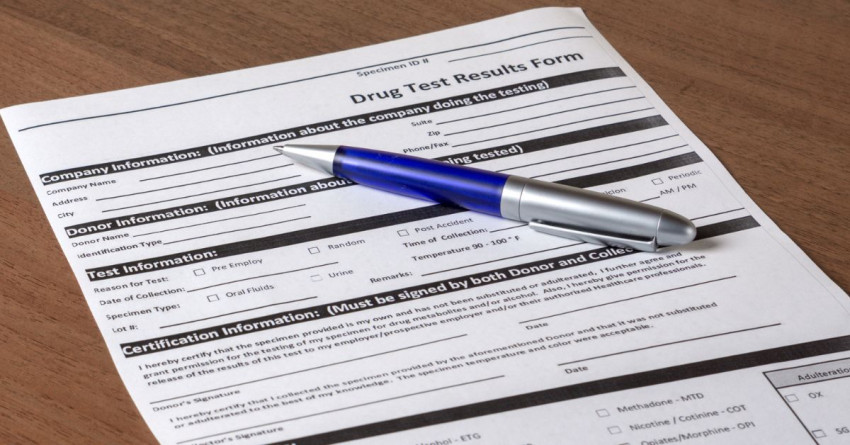
It is quite possible that having a clue on the drug test world could be tough. The understanding of how to read your drug test results is important in matters where you may be undergoing a medical examination, or a job screening. In this tutorial, you will understand the many types of drug testing, how to read your results and what to do if the worst happens.
Types of Drug Tests
Urine Drug Tests
The reasons that explain why urine drug testing is popular include its cheap cost and ease of administration. Because of the well-known extensive list of substances that their tests can identify, they are suitable for clinical and employment examinations.
Blood Drug Tests
However, blood tests are less common and much more accurate in determining the recent use of the substance. Most often they are used where precision is paramount, for example in the course of a trial or when measuring drug concentrations.
Saliva Drug Tests
Thus, testing on saliva can act as a substitute for testing on blood and urine samples since they are invasive in nature. They are also commonly being used in roadside drug tests because they are useful in detecting the recent drug use.
Hair Follicle Drug Tests
Application on hair follicle can point to the drug usage for a longer period depending on the growth of hair the test normally takes up to 90 days. This is a less favorable type of approach since it is expensive; however, it may offer the comprehensive history of drug use by a certain individual.
Common Drug Test Substances
Prescription Medications
Medications received by the patient from a doctor, physician or a hospital may show in the drug test results hence causing confusion. These include pain killers and anti-anxiety drugs for instance.
Over-the-Counter Medications
Occasionally, not oral medications prescribed by the doctors but such things as cold remedies can produce a favorable result. To begin with, the components found in these products require to be understood.
Illegal Drugs
Drug testing frequently target substances including cocaine, marijuana, and painkillers. It will help you prepare for the findings if you know how these chemicals look on tests.
Reading Your Drug Test Results
Understanding Positive and Negative Results
If a material is present at levels higher than the test's threshold, the result is positive; if it is absent, no such substances were found.
False Positives and False Negatives
Tests that identify substances incorrectly are called false positives, and those that detect substances but fail to detect them are called false negatives. Each may present issues and call for additional research.
Factors Affecting Drug Test Results
Metabolism and Body Weight
The rate at which drugs are metabolized and eliminated from your body depends on your body weight and metabolism. Your test results may be impacted by this fluctuation.
Frequency and Quantity of Drug Use
Substance abuse can raise levels in your system and may have an impact on test results if you use them heavily or frequently.
Test Sensitivity and Specificity
The degrees of sensitivity and specificity in various tests differ. You may interpret your results more properly if you are aware of these issues.
What to Do If You Get a Positive Result
Confirmatory Testing
If the test yields a positive result, additional testing, like GC-MS (Gas Chromatography-Mass Spectrometry), can confirm that the initial result was accurate.
Legal and Employment Implications
A favorable outcome may have important ramifications, such as job problems or legal implications. In these circumstances, it's critical to know your rights and options.
Interpreting Specific Drug Test Results
Prescription Drugs: What to Look For
Knowing which prescription drugs are taken and how they could impact the test is crucial when interpreting results concerning prescription drugs.
Over-the-Counter Medications: Common Issues
Recognize popular over-the-counter drugs that may affect drug testing. Avoiding problems can be achieved by reading the labels carefully and speaking with a healthcare professional.
Illegal Drugs: Red Flags
When examining the data, search for trends that can point to overuse or misuse of illegal drugs. Effectively addressing such problems may be facilitated by identifying these tendencies.
Dealing with False Positives
Causes of False Positives
Cross-reactivity with other chemicals and testing procedure flaws might result in false positive results. The problem can be solved with the aid of these causes.
Steps to Take if You Believe Your Result Is Incorrect
Document your concerns and ask for a repeat or confirmatory tests if you think there may have been a mistake. It can also be essential to seek professional or legal counsel.
Understanding Drug Test Report Terminology
Key Terms and Definitions
To better understand your results, become familiar with concepts like "specificity," "sensitivity," and "cut-off level."
How to Read Drug Test Reports
Develop your ability to understand the data in your report, including the detection levels and any notes the testing facility may have included.
The Role of Drug Testing in Various Settings
Workplace Drug Testing
To guarantee compliance and safety, workplace testing is frequently utilized. You can traverse this environment with the aid of an understanding of the testing procedure and your rights.
Medical Drug Testing
Drug tests can track prescription usage and medical issues in a medical environment. Managing these tests can be made easier with clear communication between you and your healthcare worker.
Legal and Forensic Drug Testing
To guarantee accuracy and dependability, drug testing for legal and forensic purposes are carried out in accordance with strict protocols. You can better comprehend the outcomes by being aware of the processes.
Protecting Your Rights
Know Your Rights Regarding Drug Testing
Know your legal rights, especially those pertaining to consent requirements and privacy protections, when it comes to drug testing.
How to Challenge Incorrect Results
You are entitled to question your results if you think they are inaccurate. If you have any questions about test results, follow the proper procedures.
Preparing for a Drug Test
What to Do Before the Test
Comprehending the test specifications, abstaining from substances that may influence the result, and adhering to any pre-test guidelines are all components of proper preparation.
Tips for Accurate Results
Following all directions and being truthful about any drugs or other substances you've consumed will help to guarantee the most accurate findings.
Long-Term Considerations
Impact of Drug Test Results on Your Health and Career
When regulating your drug usage, take into account the potential effects that drug test results may have on your job and your health.
Resources for Further Information
Where to Get Help
If you require assistance with drug testing matters, get resources and support from medical professionals, attorneys, or counseling programs.
Useful Contacts and Websites
For further information about drug testing and related subjects, locate useful connections and websites.
Conclusion
To successfully navigate the many facets of your personal and professional life, you must comprehend and understand the findings of drug tests. You may deal with any problems and make sure that your findings accurately represent your circumstances by being well-informed and organized.