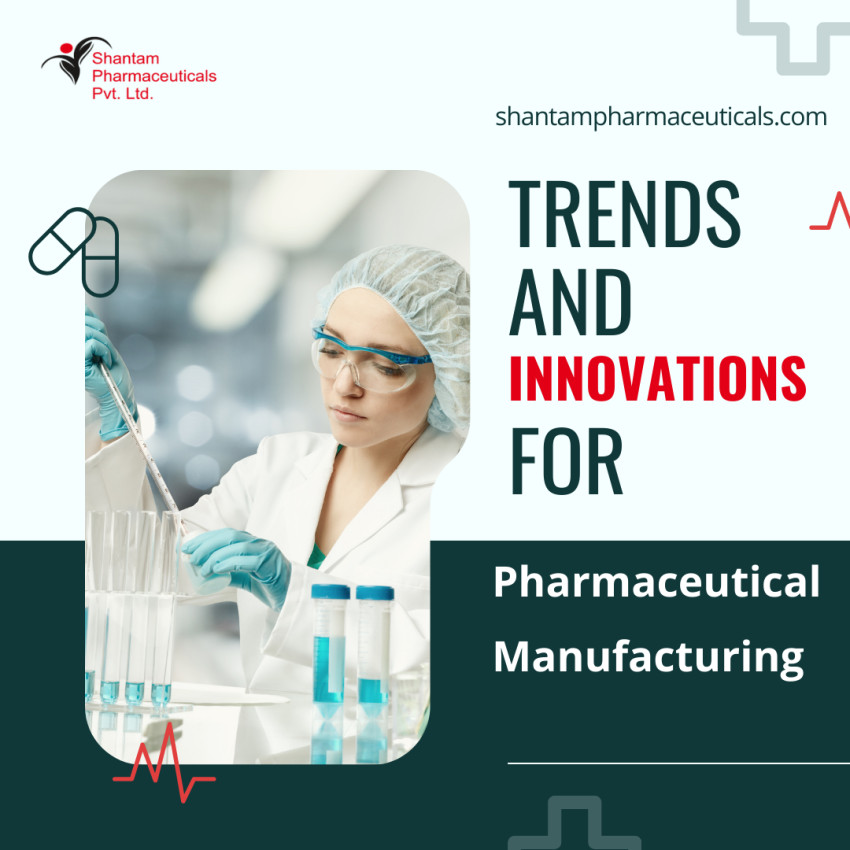
Pharmaceutical Manufacturing
Pharmaceutical manufacturing refers to the process of producing medications and drugs on a large scale in accordance with strict quality and safety standards. It involves various stages, including formulation, production, packaging, and quality control. Here’s an overview of the pharmaceutical manufacturing process:
Formulation Development: Pharmaceutical companies work on developing the formulation of a drug, which involves selecting suitable active pharmaceutical ingredients (APIs) and determining the optimal dosage form (tablets, capsules, injections, etc.) and composition.
Raw Material Procurement: High-quality raw materials, including APIs, excipients, and packaging materials, are sourced from approved suppliers. These materials undergo rigorous testing to ensure their quality and compliance with established standards.
Manufacturing Process: The manufacturing process begins with weighing and mixing the raw materials as per the formulation requirements. This is followed by formulation blending, granulation (if required), tablet compression, coating, and encapsulation. For liquid formulations, processes like solution preparation, filtration, and sterile filling are carried out.
Packaging: Once the drugs are manufactured, they are packaged in appropriate containers, such as bottles, blister packs, or vials. Packaging materials are chosen to maintain product stability, protect against contamination, and provide accurate dosage information.
Quality Control: Throughout the manufacturing process, quality control procedures are implemented to ensure that the drugs meet the required quality standards. This includes conducting various tests and inspections, such as chemical analysis, dissolution testing, microbiological testing, and stability studies.
Regulatory Compliance: Pharmaceutical manufacturing must adhere to strict regulations and guidelines set by regulatory authorities, such as the FDA. Compliance with good manufacturing practices (GMP) ensures that the drugs are consistently produced and controlled in a safe and reliable manner.
Distribution: Once the drugs pass quality control and regulatory checks, they are distributed to wholesalers, pharmacies, hospitals, and other healthcare facilities. Proper storage, transportation, and handling practices are crucial to maintain the integrity and efficacy of the medications.
Importance of Pharmaceutical Manufacturing
Pharmaceutical manufacturing plays a crucial role in the healthcare ecosystem, as it is responsible for producing safe, effective, and high-quality medications. Here are some key reasons highlighting the importance of pharmaceutical manufacturing:
Patient Health and Safety: It ensures that medications are produced in controlled environments, following stringent quality standards and regulations. This helps to minimize the risk of contamination, maintain product integrity, and ensure the safety and efficacy of drugs. By adhering to good manufacturing practices (GMP), manufacturers contribute to the well-being and health of patients.
Access to Medications: It enables the mass production of medications, making them more readily available and accessible to patients. This is particularly important for life-saving drugs, essential medicines, and treatments for widespread diseases. By efficiently producing medications, manufacturers help bridge the gap between supply and demand, ensuring that patients have timely access to the drugs they need.
Innovation and Research: Pharma manufacturing is closely linked to research and development efforts in the pharmaceutical industry. Manufacturers work in collaboration with scientists and researchers to translate innovative drug discoveries into scalable production processes. By investing in advanced technologies and manufacturing capabilities, pharmaceutical manufacturers contribute to the development of new therapies and treatment options for various diseases.
Economic Growth and Job Creation: The pharmaceutical manufacturing industry serves as a significant contributor to the economy, generating employment opportunities and fostering economic growth. Manufacturing facilities require skilled professionals in various roles, such as scientists, engineers, technicians, and quality control experts. Additionally, the industry’s supply chain involves suppliers, distributors, and logistics providers, further contributing to job creation and economic development.
Quality Control and Regulatory Compliance: It follows stringent quality control measures and regulatory guidelines to ensure that drugs are produced consistently and meet the required standards. This includes rigorous testing, documentation, and adherence to good manufacturing practices. By upholding these standards, manufacturers instil confidence in healthcare professionals, regulatory bodies, and patients regarding the safety and reliability of medications.