What Is Pterygium?
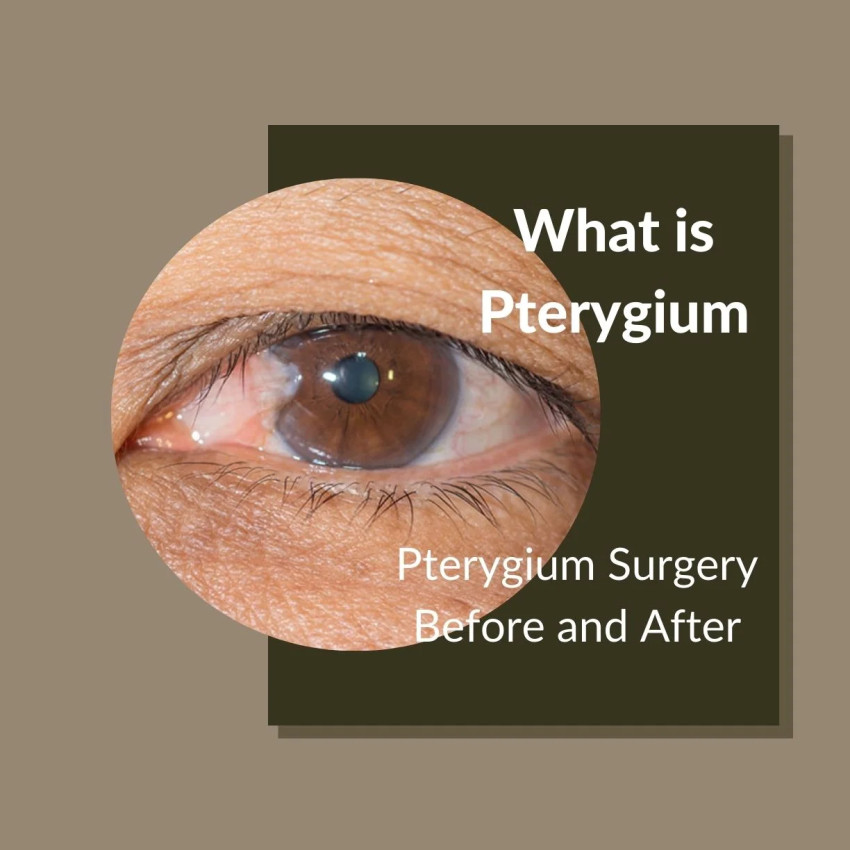
Pterygium is a fleshy, fibrovascular growth from conjunctiva involving the surface of the cornea. It is triangular in shape and contains blood vessels. It commonly involves the nasal side of the cornea.
Pterygium Causes
What Causes Pterygium?
The exact pathology of pterygium is not known, however certain risk factors are mentioned as follows
- Chronic exposure to UV light or sunlight
- Constant dry eye or ocular surface disease
Pterygium Symptoms
What are the symptoms of pterygium?
These includes
- Foreign body sensation
- Itching
- Watering
- Discharge
- Decreased vision
- Red outgrowth on the eye
Pterygium Treatment
What Is The Treatment Of Pterygium?
Initially when the pterygium is small in size and not causing visual symptoms and evident cosmetic problems, the health care provides will give
- Lubricating eye drops and ointments
- Topical steroids to reduce inflammation
- Topical antibiotics if associated infection is present.
Pterygium Surgery Before And After
Pterygium Surgery Types
The types of surgery include
- Bare sclera technique
- Sliding method
- Autograft implantation
Pterygium Surgery Steps
The surgical procedure involves injection of local anesthetic in the pterygium. Dissection of pterygium is done and a squint hook is passed under the pterygium. Squint hook is rotated to remove the adherent pterygium with the cornea. The extra stump of conjunctiva is excised. The scrapping of corneal surface is done. The size of dissected conjunctiva is taken and autograft is taken from superior conjunctiva. The graft is sutured with 6/0 vicryl.
Pterygium Surgery Complications
The complications include
- Scleral perforation
- Corneal perforation
- Inclusion cyst
- Subconjunctival hemorrhage
- Post operative recurrence
- Foreign body sensation of exposed sutures
- Pyogenic granuloma
Recovery From Pterygium Surgery
Recovery from surgery is quick. It is commonly performed as a day case. The eye can be patched for a day and the next day topical antibiotics and oral pain killers are advised by the health care provider.
Pterygium Surgery Side Effects
The side effects of pterygium include
- Recurrence and reformation of pterygium
- Corneal scaring
- Scleral exposure
What To Avoid After Pterygium Surgery?
One- or two-days bed rest is advised after the surgery. Timely application of eye drops and ointment is advised.
How long it takes to recover from a pterygium surgery?
The patient can start regular activities after a day or two.
Conclusion
Pterygium is a benign condition but if not controlled well on time, it can lead to blinding condition. People working in sunlight should take care of their eyes by taking precautions such as using sunglasses and lubricating eye drops.
FAQs
Is pterygium surgery a major surgery?
No, it is a minor surgical procedure.
Is pterygium surgery painful?
The surgery is performed under topical or local anesthesia, that makes it painless. Mild to moderate pain can be observed after surgery.
Is it safe to remove pterygium?
Yes, it is safe to remove pterygium especially when it is affecting the visual axis.
Can pterygium grow back after surgery?
In bare sclera technique pterygium can regrow in 80% cases.