In the realm of neonatal care, the nourishment provided to infants during their initial days plays a pivotal role in their growth and development. While breastfeeding is universally advocated as the best source of nutrition for newborns, various circumstances may impede a mother's ability to provide her milk. This is where pasteurized donor milk (PDM) steps in as a crucial alternative, offering a beacon of hope and health for infants in need. This article delves into the significance of PDM, exploring its impact on ensuring optimal infant growth and development.
The Foundation of Infant Nutrition
Breast milk is not merely food; it's a complex, living nutritional fluid that contains antibodies, enzymes, and hormones, all of which are essential for an infant's comprehensive growth and immunity. When a mother's milk isn't available, PDM serves as the next best option, especially for premature or ill infants who are at a higher risk of developing complications.
What is Pasteurised Donor Milk?
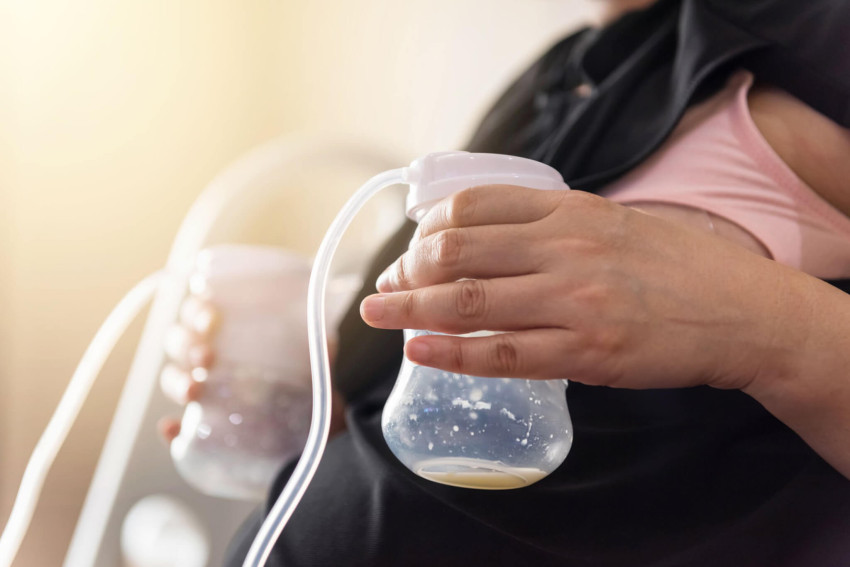
PDM is breast milk donated by lactating mothers, which is then screened, pasteurized, and tested to ensure safety before being provided to another infant. The pasteurization process involves heating the milk to a specific temperature to kill any potentially harmful bacteria while retaining most of the milk's beneficial components. This makes PDM a safe, effective, and invaluable resource in neonatal nutrition.
The Role of Pasteurised Donor Milk in Neonatal Care
- Supporting Premature Infants
For premature infants, whose digestive systems are underdeveloped, PDM can be easier to digest compared to formula, reducing the risk of necrotizing enterocolitis (NEC) — a severe gastrointestinal problem. The bioactive components in PDM, such as lactoferrin and growth factors, play a significant role in gut health and maturation.
- Bridging Nutritional Gaps
PDM is instrumental in bridging the nutritional gap for infants who cannot be breastfed. It provides a balanced composition of fats, proteins, vitamins, and minerals crucial for brain development and growth. Furthermore, it contains immunological and anti-inflammatory properties that protect against a myriad of infections and diseases.
- Enhancing Cognitive Development
Research indicates that the nutrients found in breast milk, including PDM, are linked to better cognitive development outcomes in children. These nutrients support neural development and cognitive functioning, laying a foundation for long-term intellectual growth.
The Process of Donating and Receiving Pasteurised Donor Milk
The journey of PDM from a donor to a recipient involves several critical steps to ensure the safety and quality of the milk. It starts with rigorous health screening of potential donors, followed by the collection, storage, and pasteurization of the milk. After pasteurization, the milk undergoes nutritional analysis and, if necessary, fortification to meet the specific needs of the recipient infants. This meticulous process ensures that PDM is not only safe but tailored to support the health and development of infants who receive it.
The Future of Infant Nutrition
As research continues to uncover the vast benefits of breast milk, including PDM, for infant health and development, the role of PDM in neonatal care is set to become increasingly significant. By supporting the establishment of more milk banks and encouraging milk donation, society can ensure that all infants, regardless of their circumstances, have access to the best possible start in life.
Conclusion
Pasteurized donor milk represents a vital component of neonatal nutrition, offering a lifeline to infants who are unable to receive their mother's milk. Its role in supporting optimal growth, development, and health of infants is undeniable. As we move forward, it is imperative to foster a culture that recognizes the value of breast milk donation and to invest in the infrastructure needed to make PDM accessible to every infant in need. Through collective action and awareness, we can ensure that the benefits of PDM reach every corner of the neonatal care spectrum, underscoring the adage that it takes a village to raise a child. In doing so, we not only safeguard the health of individual infants but also contribute to the well-being of future generations.