Making the Right Choice: A Comparison Between Braces and Invisalign for Achieving Your Perfect Smile
Introduction
When it comes to achieving a perfect smile, orthodontic treatment plays a crucial role. With advancements in dental technology, individuals now have a choice between traditional braces and Invisalign clear aligners. In this article, we will explore these two treatment options, their benefits, and factors to consider when making a decision.
Traditional Braces: Tried and True
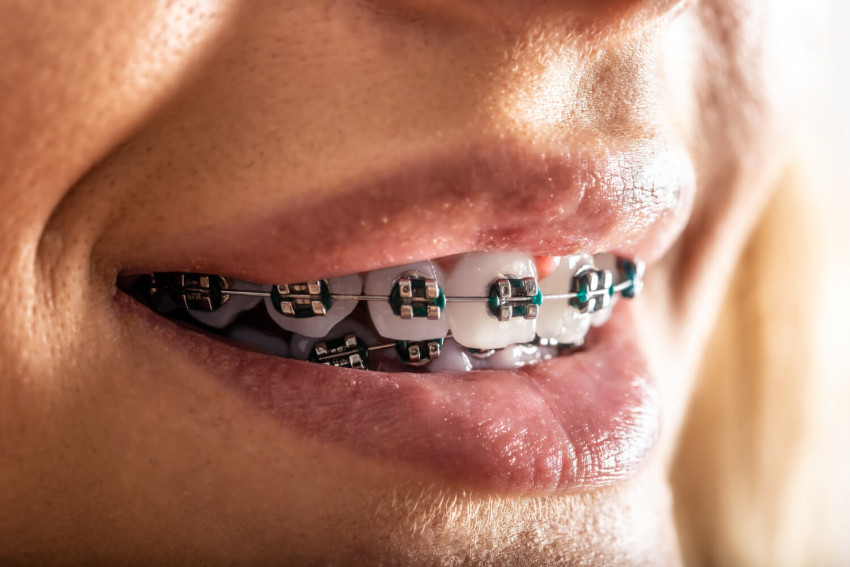
Traditional braces have been a staple in orthodontic treatment for many years. They consist of brackets, wires, and bands that work together to align and straighten teeth. Let's take a closer look at how traditional braces work and their advantages.
How Traditional Braces Work
Traditional braces rely on constant, gentle pressure to shift teeth into their proper position. The components of braces, such as brackets, archwires, and elastics, work together to apply this pressure effectively. Orthodontic adjustments and maintenance are essential components of the treatment.
Advantages of Traditional Braces
1. Suitable for Complex Dental Issues: Traditional braces are highly effective for addressing complex dental problems such as severe crowding, significant misalignment, and bite irregularities. They offer a comprehensive solution for a wide range of orthodontic issues.
2. Visible Progress Throughout Treatment: Unlike Invisalign, traditional braces allow you to see the progress of your treatment. Many find this visual reassurance motivating and rewarding as they witness their teeth gradually aligning.
3. Cost-Effective Option: In terms of cost, traditional braces tend to be more affordable compared to Invisalign. This makes them an attractive option for individuals on a tighter budget.
Invisalign Clear Aligners: A Modern Approach
In recent years, Invisalign has gained popularity as an alternative to traditional braces. Utilizing advanced technology, Invisalign offers a discreet and convenient way to straighten teeth. Let's delve into the technology behind Invisalign and its benefits.
The Technology Behind Invisalign
1. Customized Aligners for each Stage: Invisalign treatment involves a series of customized aligners that are designed to gradually move your teeth. Each aligner is specifically created to fit your mouth and corresponds to a different stage of the treatment.
2. Utilizing 3D Scanning and Digital Imaging: Invisalign uses 3D scanning and digital imaging technology to create a detailed, virtual representation of your teeth. This allows for precise planning and customization of your aligners.
3. Tracking Progress with Virtual Treatment Planning: With Invisalign, you can preview the final outcome of your treatment before it even begins. This virtual treatment planning enables better visualization of the expected results, giving you a clearer vision of your perfect smile.
Benefits of Invisalign Treatment
1. Virtually Invisible and Discreet Appearance: One of the major benefits of Invisalign is its discreet nature. The clear aligners are virtually invisible, allowing you to straighten your teeth without drawing attention to your treatment.
2. Enhanced Comfort and Convenience: Unlike traditional braces, Invisalign aligners are smooth and comfortable. They do not have wires or brackets that can cause irritation or pain. Additionally, the aligners are removable, making eating, brushing, and flossing much easier.
3. Removable Aligners for Easy Maintenance: Invisalign aligners can be easily removed, allowing you to maintain good oral hygiene. You can brush and floss your teeth as you normally would, without any restrictions. This helps prevent issues such as tooth decay or gum disease that may arise due to difficulty in cleaning with traditional braces.
Factors to Consider When Choosing between Braces and Invisalign
When deciding between braces and Invisalign, several factors should be taken into account. These factors include the complexity of dental issues and personal lifestyle considerations.
Complexity of Dental Issues
1. Aligning Crooked or Crowded Teeth: Both braces and Invisalign can effectively address crooked or crowded teeth. However, in cases where severe misalignment is present, traditional braces may be recommended for better control and quicker results.
2. Correcting Bite Irregularities: Bite irregularities such as overbite, underbite, or crossbite can be corrected by both braces and Invisalign. However, complex cases may require traditional braces to achieve the desired outcome.
3. Addressing Jaw Misalignment: In cases of significant jaw misalignment, traditional braces are often the preferred choice as they can be combined with other orthodontic appliances to correct the issue effectively.
Lifestyle Considerations
1. Dietary Restrictions with Braces: Traditional braces come with certain dietary restrictions, such as avoiding hard, sticky, and chewy foods that can damage the brackets or wires. Invisalign, on the other hand, allows you to enjoy your favorite foods without any restrictions since the aligners are removable during meals.
2. Oral Hygiene Requirements: Both braces and Invisalign require good oral hygiene practices. However, Invisalign aligners are removable, making it easier to clean your teeth and the aligners themselves.
3. Impact on Speech and Professional Contexts: Some individuals may experience minor speech adjustments when first starting with braces. Invisalign, being less invasive, generally has a minimal impact on speech. In professional settings, the discreet appearance of Invisalign aligners may be preferred.
Decision-Making Process: Which Option is Right for You?
To make an informed decision, it is crucial to consult with an orthodontic specialist who can assess your individual needs. The decision-making process involves an initial assessment, diagnosis, and the development of a personalized treatment plan.
Weighing the Pros and Cons
When deciding between braces and Invisalign, it is essential to weigh the advantages and disadvantages of each. Consider your treatment goals, preferences, long-term implications, and financial considerations, including insurance coverage and costs.
FAQs
1. How long does the treatment typically take with braces or Invisalign?
* The duration of treatment varies depending on the complexity of your dental issues. On average, braces treatment may take around 18-24 months, while Invisalign treatment may range from 6 to 18 months.
2. Can Invisalign effectively correct more severe dental issues?
* Invisalign can address a wide range of dental issues, including moderate to severe cases. However, in complex cases, traditional braces may still be the recommended treatment option.
3. Will wearing braces or Invisalign impact my daily activities?
* Wearing either braces or Invisalign may require minor adjustments, such as avoiding certain foods with braces or removing aligners for meals with Invisalign. However, these factors do not significantly impact daily activities.
4. What are the average costs associated with each option?
* The cost of treatment varies depending on factors such as the duration of treatment, complexity of dental issues, and your location. In general, traditional braces tend to be more cost-effective compared to Invisalign.
5. Is age a limiting factor when choosing between braces and Invisalign?
* Age is not necessarily a limiting factor. Both braces and Invisalign can be used to achieve orthodontic goals for individuals of all ages. The suitability of each option will depend on the specific dental issues and treatment goals.
By examining the characteristics, benefits, and considerations of both traditional braces and Invis clear aligners, individuals can empower themselves with the knowledge to make an informed about their orthodontic treatment. Whether one values the steadfastness of traditional braces or prefers the discreet and removable nature of Invisalign, this article explores the various factors to consider when choosing between these two popular options.If you're seeking braces in Dubai, National Medical Center is your destination. It's the only dental clinic in Satwa providing affordable braces in Dubai, comparing the overall braces cost in Dubai.