Good vision is essential for their learning, daily activities, emotional well-being, and long-term prevention of eye problems. In this blog, JL Rohatgi Hospital explore why your child's eye health is so important and provide practical tips to help maintain it. We'll also help you recognize signs of potential eye issues in your child.
By the end, you'll have the knowledge and tools to ensure your child's vision stays clear and healthy. Let's get started!
Specific reasons why it is important for children to have good eye health:
Learning and development
Children rely heavily on their vision to learn and develop correctly. An undiagnosed or untreated eye health problem can affect your ability to read, write, draw, and process visual information in general.
Daily activities
Children need good vision to participate in everyday activities, such as playing, playing sports, cycling, running, and exploring their environment. If they have vision problems, they may feel limited and not enjoy these activities to the fullest.
Emotional health
Untreated vision problems can have a negative impact on children's self-esteem and confidence. Additionally, they can cause headaches and eye fatigue, which can affect your overall well-being and your ability to concentrate on your daily tasks.
Long-term prevention
Some eye problems, such as amblyopia or lazy eye, are easier to treat if they are detected and addressed early in childhood. If left untreated, these problems can affect a child's vision in the future and may require more invasive and expensive treatments.
It is crucial that children have good eye health so they can learn, participate in everyday activities, maintain good emotional health, and prevent long-term eye problems.
Tips to help children maintain good eye health:
It is important to help children maintain good eye health because, as we have already stated, good vision is essential for their development and their ability to learn and explore the world around them. Follow the given tips:
Regular eye exams
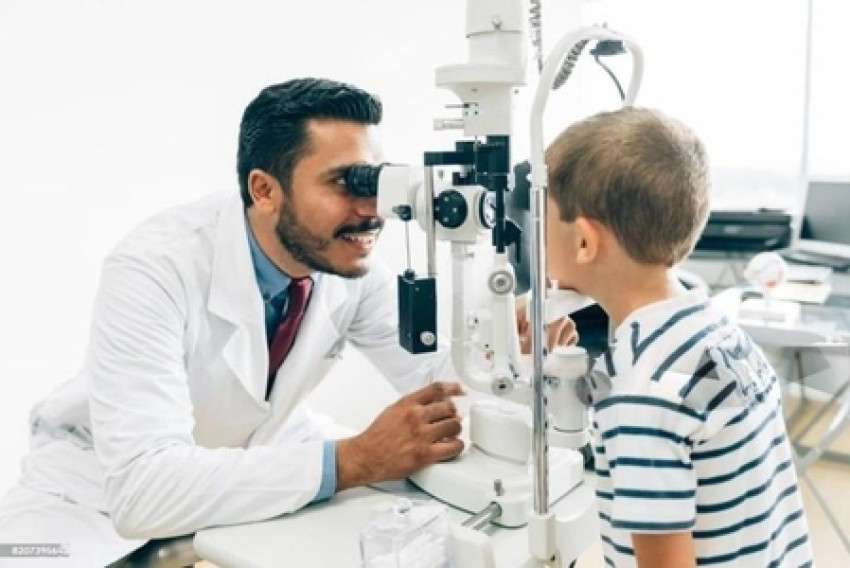
It is important to have children for a comprehensive eye exam by an optometrist or ophthalmologist at least once a year to detect any vision problems and address them early.
Protection against sunlight
Children's eyes should be protected from the sun's rays with sunglasses with adequate UV protection and hats when exposed to direct sunlight.
Limit screen time
The time children spend in front of electronic screens, such as televisions, computers, and smartphones, should be limited. It is recommended that children spend no more than 2 hours a day in front of a screen.
Adequate rest
Ensure that children take frequent breaks while doing close-up activities, such as reading, writing, or using an electronic device.
Good nutrition
Foods rich in nutrients such as vitamin A, C, E and omega-3 fatty acids can help maintain good eye health. Foods such as carrots, spinach, oranges, strawberries, fish and nuts should be included in children's diets.
Proper hygiene
Teach children the importance of washing their hands before touching their eyes and avoiding rubbing their eyes excessively.
Sport
Encourage children to participate in outdoor activities and sports to promote a healthy lifestyle and decrease screen time.
Parents and guardians can help children maintain good eye health by taking them for regular eye exams, protecting their eyes from sunlight and electronic screens, making sure they get adequate rest, providing a good diet, and teaching good hygiene. ocular.
How to detect that children do not have good eye health?
Detecting eye health problems in children can be challenging as they are often not aware that they have a problem and may not be able to communicate what they are experiencing. Here are some signs that may indicate that a child may have eye health problems:
Rubbing your eyes frequently.
To see better, squint or tilt your head.
Complaining of headaches or eye fatigue.
Having difficulty concentrating or paying attention.
Not being able to see close or distant objects correctly.
Have difficulty reading or writing.
Blinking frequently or having watery eyes.
Having red, swollen or discharge eyes.
If you notice any of these symptoms in your child, it is important to take them for an eye exam.
Keep in mind that regular eye exams are important to detect any eye health problems before they become a more serious problem. It is advisable to have your child's first eye exam at the age of three and continue with annual check-ups.