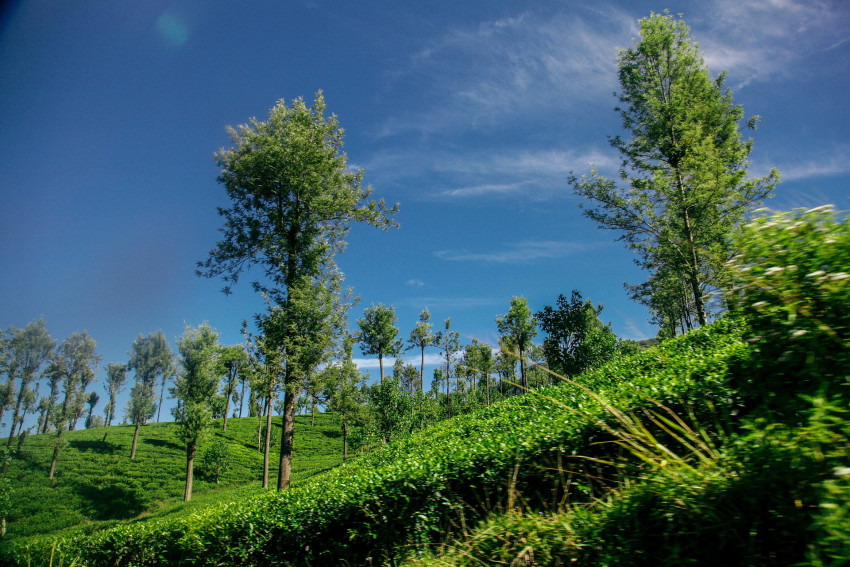
Agriculture land for sale refers to land that is used for agricultural production, including crops and livestock farming such as farming, rubber or coconut land for sale in Sri Lanka. It typically includes farmland, pasture land, and those used for horticulture and aquaculture. Agricultural land is an essential resource for feeding the world's population, and its use and management have a significant impact on the environment, economy, and society.
Investing in agricultural property can be a profitable venture for land buyers in Sri Lanka, but it also has its own risks and challenges. The profitability of investing in agricultural land depends on several factors, including:
· Location: Those located in regions with high demand for crops or livestock products is likely to be more profitable than land in regions with lower demand.
· Soil quality: Good soil quality is essential, and this can impact the profitability of the land.
· Infrastructure: Access to water, transportation, and other infrastructure can affect the profitability of such real estate.
· Market conditions: The prices of agricultural commodities can fluctuate, and this can impact the profitability of agricultural land.
· Management practices: Good management practices, such as proper crop rotation, soil conservation, and water management, can increase the profitability of agricultural land.
Sri Lanka is an agricultural country and is known for growing a variety of crops. Some of the major produce grown here include:
· Rice: Rice is the staple food in this country and is grown in large quantities in the country.
· Coconut: Coconut is an important crop and is used for both food and industrial purposes.
· Tea: Sri Lanka is famous for its tea, which is grown in the central and southern regions of the country.
· Rubber: Rubber is a major export product and is grown in the low country areas of the country.
· Spices: Sri Lanka is known for its spices, such as cinnamon, cardamom, and clove, which are grown in the country.
· Vegetables: A variety of vegetables, such as onions, potatoes, and tomatoes, are grown here.
These are some of the major items grown in Sri Lanka, but there are many others grown in the country as well, including sugarcane, cashew, and tobacco.
What are the best real estate locations in Sri Lanka for agricultural land?
The best real estate locations in Sri Lanka for agricultural land can vary depending on the type of crop or livestock that you want to grow. However, some of the regions in Sri Lanka that are known for their fertile land and favourable conditions for agriculture include:
1. The Dry Zone
This region, located in the north-central part of the country, is known for its dry climate and is well-suited for growing things such as rice, maize, and tobacco. For example, the ancient city of Anuradhapura.
The Dry Zone in Sri Lanka is unique for its dry climate, which is well-suited for growing certain crops that require less water. Some of the specific items grown in the Dry Zone include:
· Rice: Rice is the staple food of Sri Lanka and is grown in large quantities in the Dry Zone.
· Maize: Maize is an important crop in the Dry Zone and is used for both food and animal feed.
· Tobacco: Tobacco is a major cash crop in the Dry Zone and is grown in large quantities for export.
· Pulses: Pulses, such as lentils and beans, are grown in the Dry Zone and are an important source of protein in the local diet.
· Oilseeds: Oilseeds, such as groundnuts and sunflowers, are grown in the Dry Zone and are used for both food and industrial purposes.
These are some of the specific crops grown in the Dry Zone of Sri Lanka, but there may be others grown in the region as well, depending on local conditions and market demand. The Dry Zone is unique for its dry climate, which provides favourable conditions for growing certain items that require less water. However, the availability of water for irrigation can also be a challenge in this region, and it is important to manage water resources carefully to ensure the sustainable production.
2. The Wet Zone
This region, located in the southwestern part of the country, has a humid climate and is ideal for growing crops such as tea, rubber, and spices. The Wet Zone is unique for its high rainfall and humidity, which provides favourable conditions for growing crops that require a lot of water. Some of the specific items grown in the Wet Zone include:
· Tea: Tea is a major export in the island nation and is grown in large quantities in the Wet Zone.
· Rubber: Rubber is another important export in Sri Lanka and is grown in the Wet Zone for its favourable climatic conditions.
· Spices: The Wet Zone is known for its production of a variety of spices, including cinnamon, pepper, nutmeg, and cloves.
· Vegetables and fruits: The Wet Zone is also known for its production of a variety of vegetables and fruits, such as bananas, mangoes, and papayas.
The high humidity of this area can also pose challenges for farmers, as it can increase the risk of disease and pests. It is important to manage these risks carefully to ensure the sustainable production of crops in the Wet Zone.
3. The Hill Country
This region, located in the central highlands of the country, has a cool climate and is ideal for growing crops such as tea, coffee, and vegetables. For example, Kandy, Nuwara Eliya. The Hill Country in Sri Lanka is unique for its cool and temperate climate, which provides favourable conditions for growing crops that require a moderate amount of water and cooler temperatures. Some of the specific crops grown in the Hill Country include:
· Tea: The Hill Capital is one of the largest tea-growing regions in the country and is known for its high-quality tea.
· Vegetables: It is also known for its production of a variety of vegetables, such as carrots, potatoes, and cabbages.
· Spices: It is also known for its production of a variety of spices, such as cardamom, cumin, and coriander.
· Fruit: This region is known for its production of a variety of fruits, such as strawberries, peaches, local pears and more.
The hilly terrain can also pose challenges for farmers, as it can be difficult to access and cultivate the land, and should be managed properly in order to overcome these challenges.
4. The Low Country
This region, located in the southern and western parts of the country, has a tropical climate and is well-suited for growing crops such as coconut, cinnamon, and rubber. The Low Country in Sri Lanka is unique for its warm and humid climate, which provides favourable conditions for growing crops that require a lot of water and warmer temperatures. Some of the specific crops grown in the Low Country include:
· Rice: Rice is the staple food of Sri Lanka and is grown in large quantities in the Low Country.
· Coconut: Coconut is an important crop in the Low Country and is used for both food and industrial purposes.
· Fish: It is also known for its production of a variety of fish, including prawns and lobsters.
The low-lying terrain can also pose challenges for farmers, as it can be prone to flooding during the rainy season. It is important to manage these risks carefully and provide assistance to farmers and land owners during difficult times.
These are some of the regions in Sri Lanka that are known for their favourable conditions for agriculture, but the best location for agricultural land will also depend on factors such as water availability, infrastructure, and market demand. It is recommended to consult with an agricultural expert or a real estate professional to find the best location for your specific needs.