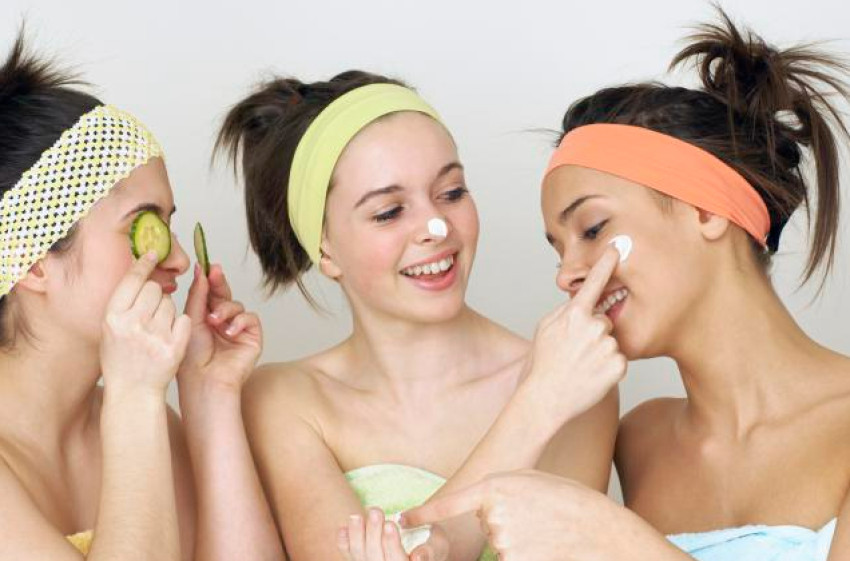
Teenagers today have a lot to think about everything from school, to friends, attending social gatherings to achieving excellent grades. In addition they experience many changes throughout the years, not only physically but also hormonally and emotional. In all this, they experience an immense amount of stress, and when combined with other elements that can affect their skin.
Best Skincare Tips For Teenage
1. Make sure your routine for skincare is simple.
Make sure that your skincare routine is simple and regular. It is possible for a good routine to fail with too much effort. "I would like to inform to my clients that a basic routine should be followed twice per day, in the morning and at night."
Wash your face two times a morning - before you get up and before going to sleep. It is also important to cleanse your face following an activity that is sweaty.
To ensure that washing your face is on your mind, place your makeup products near your toothbrush, and brush it simultaneously with brushing your teeth. This will ensure that you are constant.
Additionally, you should avoid using the washcloth, mesh sponge or any other product that may be irritating to skin. Use your fingers to clean your face, then apply the best cream for teenagers.
2. Make sure to use non-comedogenic and oil-free products.
Choose products that don't cause obstruction to pores. They will be labelled by the terms "oil-free" and "noncomedogenic," which won't produce comedones, or whiteheads or blackheads that block pores. This isn't just for moisturizers , but also for sunscreens and makeup too.
3. Use sunscreen, even in winter.
An important habit to adopt for your life is to shield your skin from harmful UV rays that are emitted by the sun. Weather it's rain, snow or shine, sunscreen is a essential.
"Even when you're wearing makeup, you should be sure you use broad-spectrum sunscreen that has an SPF of 30 or greater," Dr. Thiede stated. "Dry and sun-damaged skin can lead to an indication of irritation, and irritated skin could put you at risk for developing acne."
4. Face acne head-on early on.
Acne is common in the puberty period when hormones are in overdrive. If you begin to experience small breakouts, begin using one product for acne at each time. If you do not see any improvement within four to six weeks, you can add another acne treatment. This can help combat the various causes of acne like acne-causing bacteria, blocked pores, inflammation and oil.
"For instance, if you have you are using a treatment for acne that includes benzoyl peroxide is used, the subsequent acne treatment should also contain another ingredient that fights acne," Dr. Thiede stated.
To help you choose a new product, here's what different active ingredients do:
- The peroxide in benzoyl reduces P. acnes bacteria
- Retinoids, including Adapalene gel, clear pores and decreases oiliness
- Salicylic acid reduces inflammation and decongests pores.
Even if your acne appears to be improving or getting rid of it's crucial to keep your regimen. "The regimen is working when you're clear and performs better if you're trying to prevent acne rather than treating breakouts that are already present," Dr. Thiede said.
5. Do not sleep with makeup on.
Make sure you remove your the makeup each night prior to bedtime.
"Even noncomedogenic makeup may cause acne if one sleeps within it" Dr. Thiede explained. "If you're exhausted to clean your face then a makeup remover towelette is a good option. Just ensure it's not comedogenic."
6. Make sure to wash your pillowcase and sheets.
Have you washed or changed your sheets and pillowcases at least once a week? If they're not washed or changed on a regular basis the buildup of dirt or oil that has been accumulated from the environment , your hair and skin is returned on your skin.
"By by the time you've had a week, your pillowcases and sheets are overflowing of dead cells from your skin and bacteria" Dr. Thiede said. "These could clog your pores and cause breakouts."
If you have hair that is oily or use products that are oily it is possible that you need to wash your sheets more frequently.
7. Avoid picking, touching or scrubbing it using products.
Exfoliating too much, popping pimples, washing your face frequently using new products for acne each week, all are great for the moment, but they can result in irritation of the skin and breakouts.
"Avoid taking on too much in a short time, as it may make your skin irritated, cause allergic reactions, and even cause acne to worsen," Dr. Thiede explained. "Picking the pimple or popping it is a big no-no. This could cause inflicting scars and may make it take longer for the pimple for it to heal."
8. Sensitive skin? Do to test your skin on the spot.
Each person's skin is unique. If you're dealing with sensitive skin, it can make finding products that don't cause irritation, burn or cause itching slightly more difficult. Make sure to choose products that aren't comedogenic or free of fragrance.